Getting It Booked In
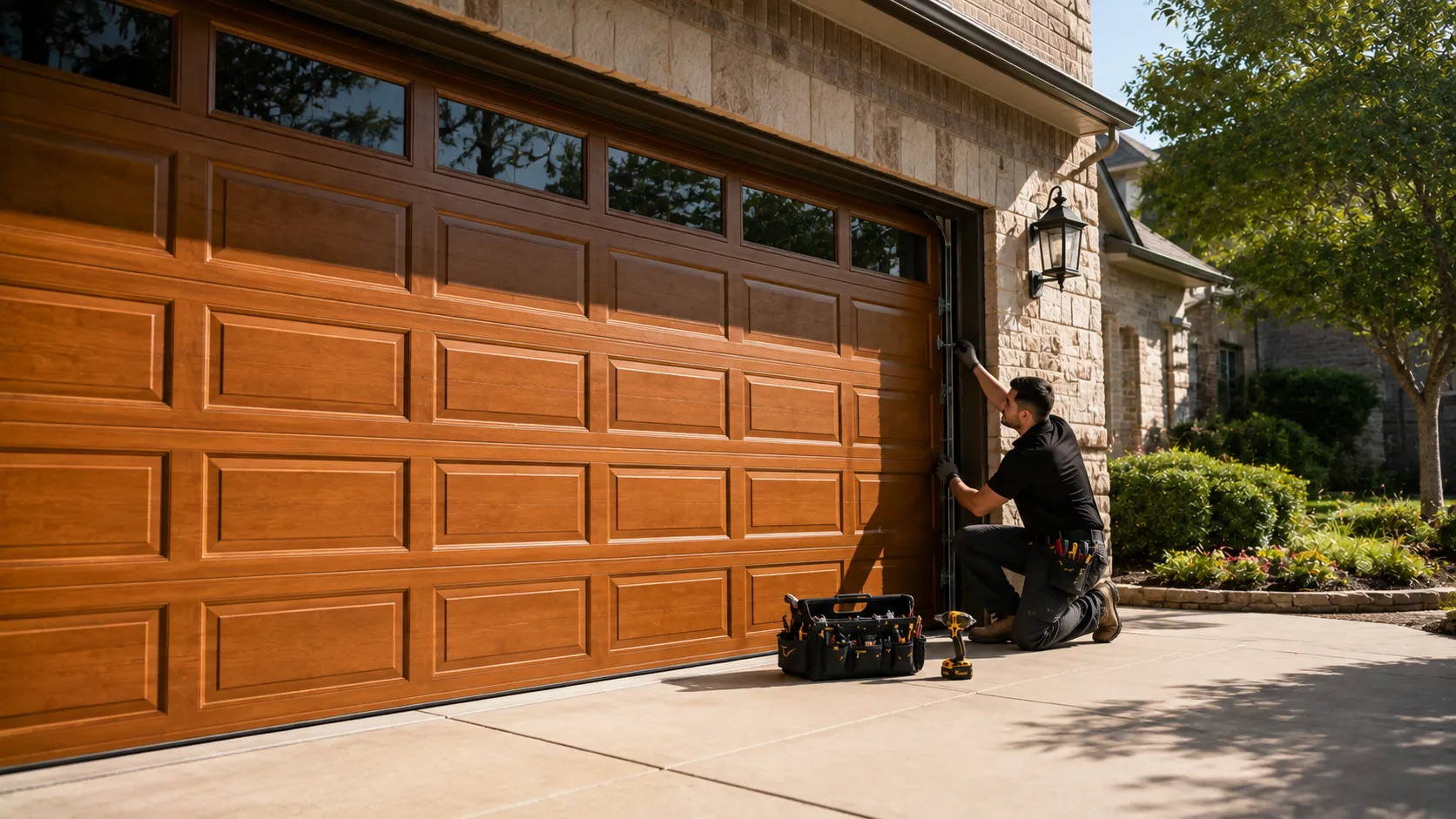
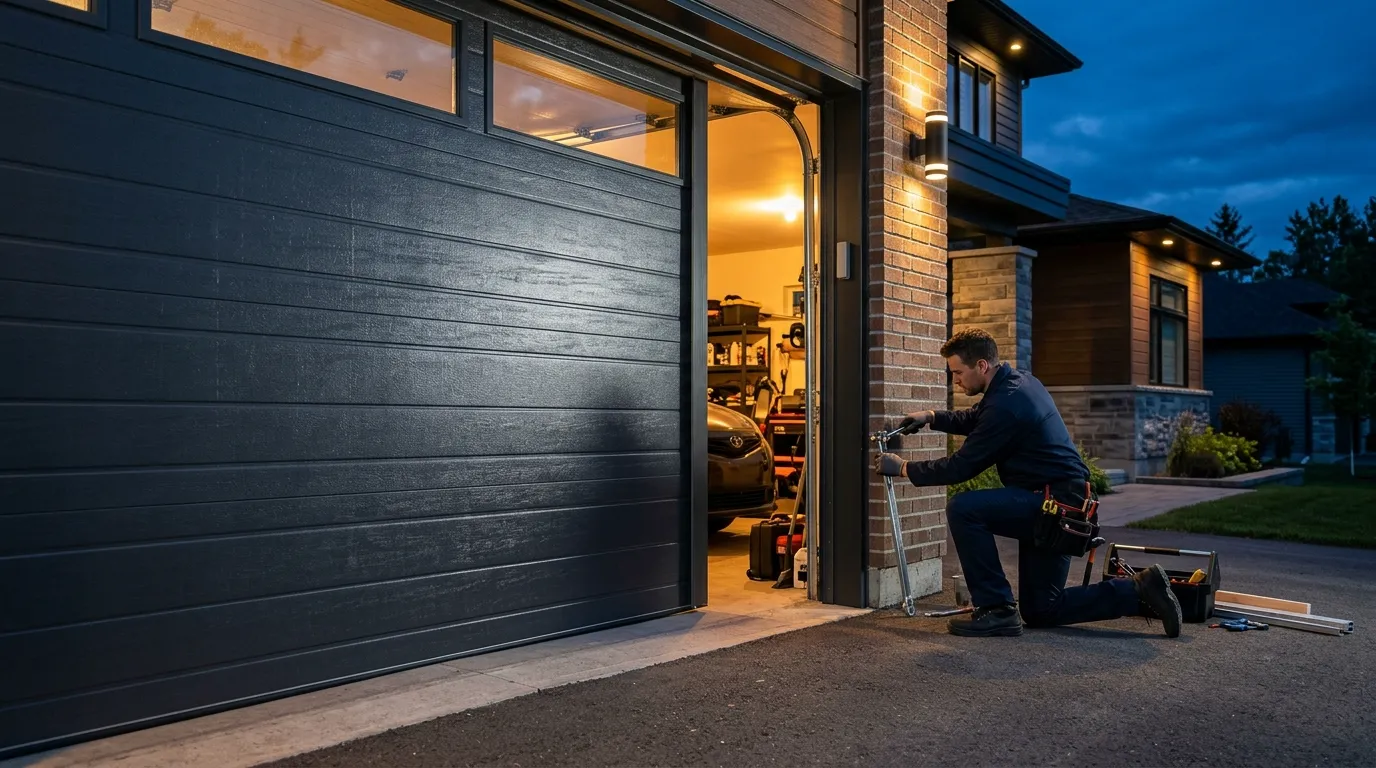
When a cable goes, the door usually stops moving altogether, or it hangs crooked on one side. That's not a job to leave sitting - a door held up by one cable can drop the rest of the way without warning. Call and describe what you're seeing: a snapped strand, a door that's cocked, a grinding sound near the drum. That tells us what to bring.
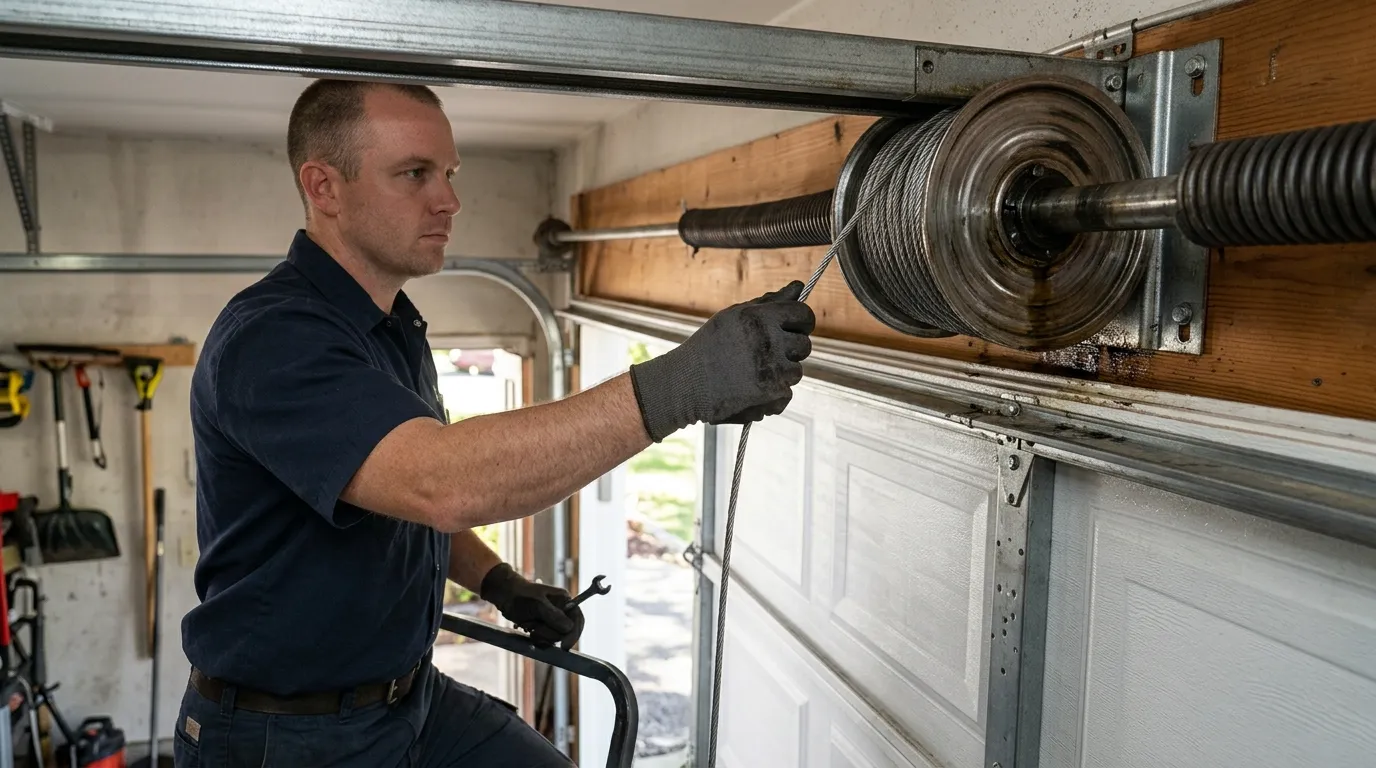
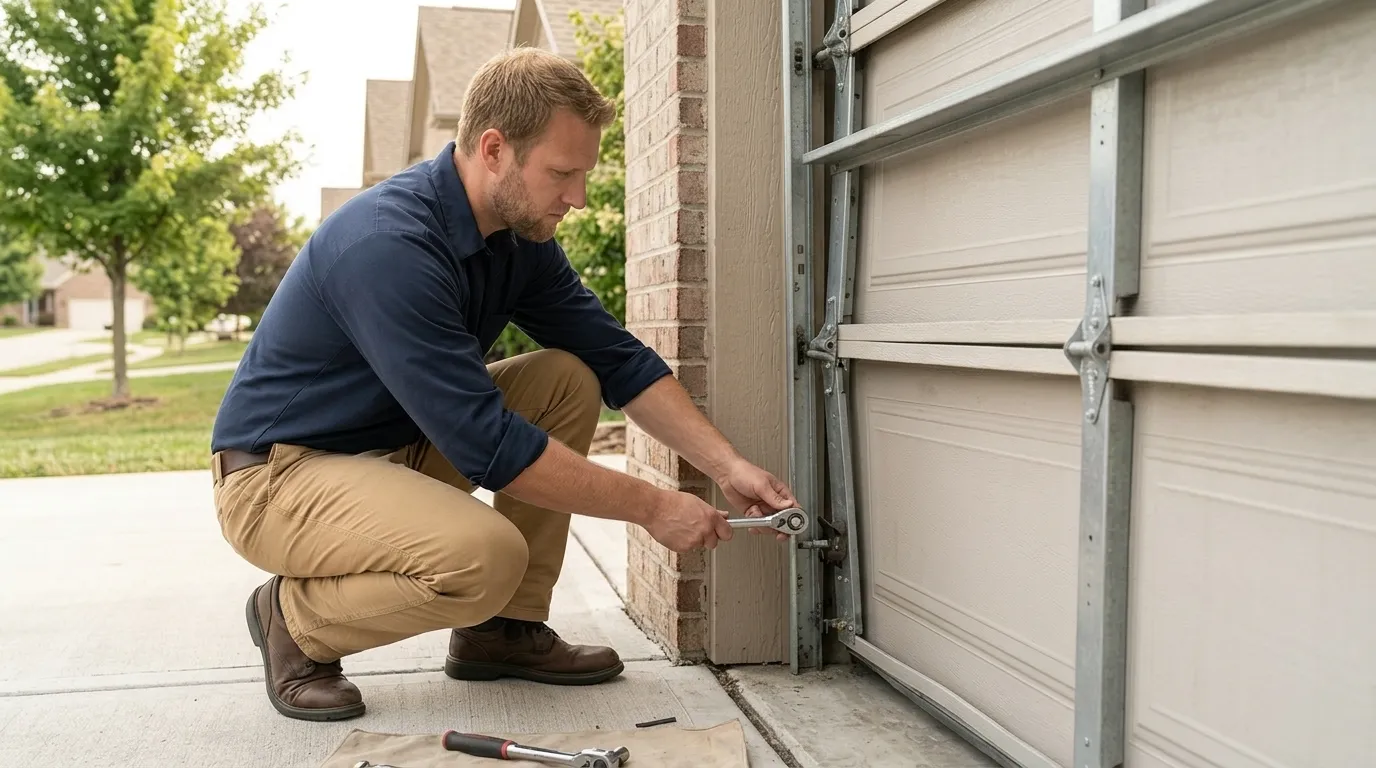
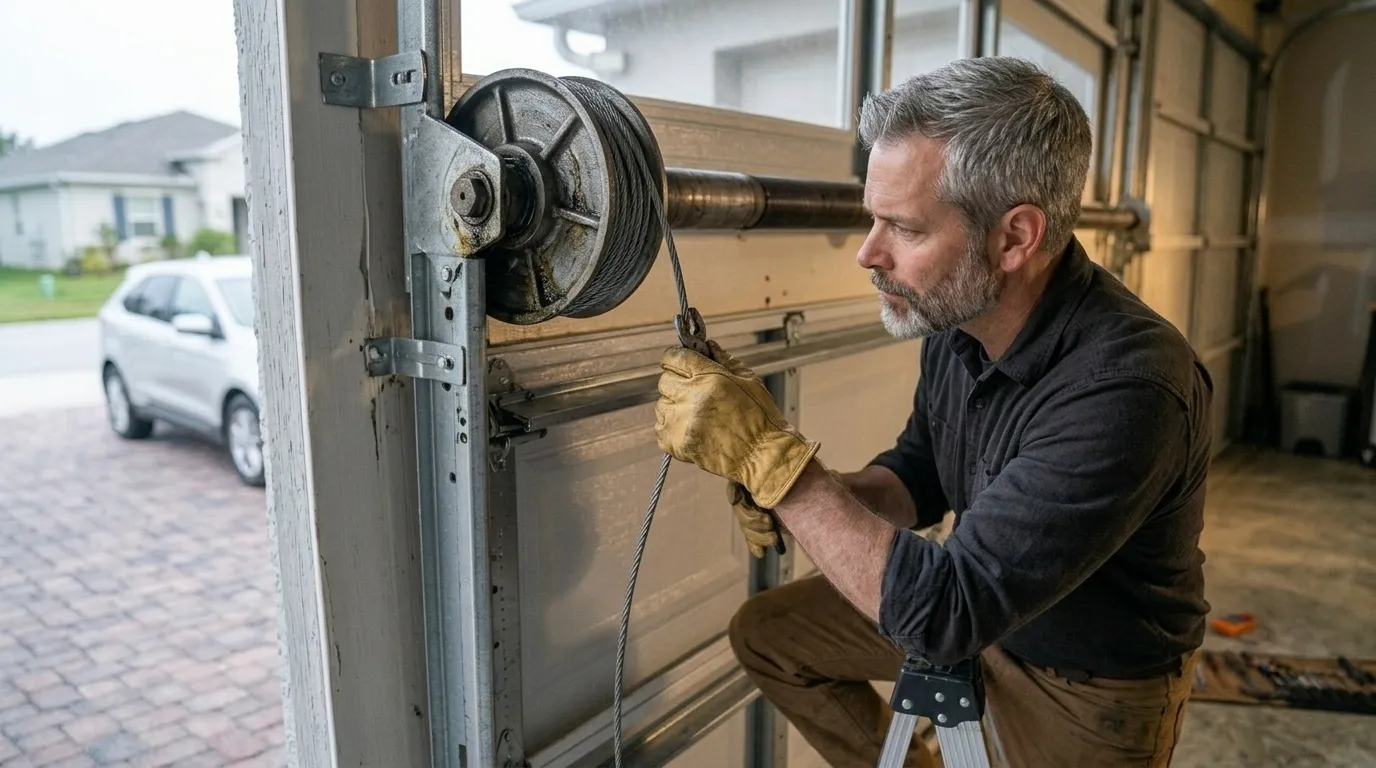
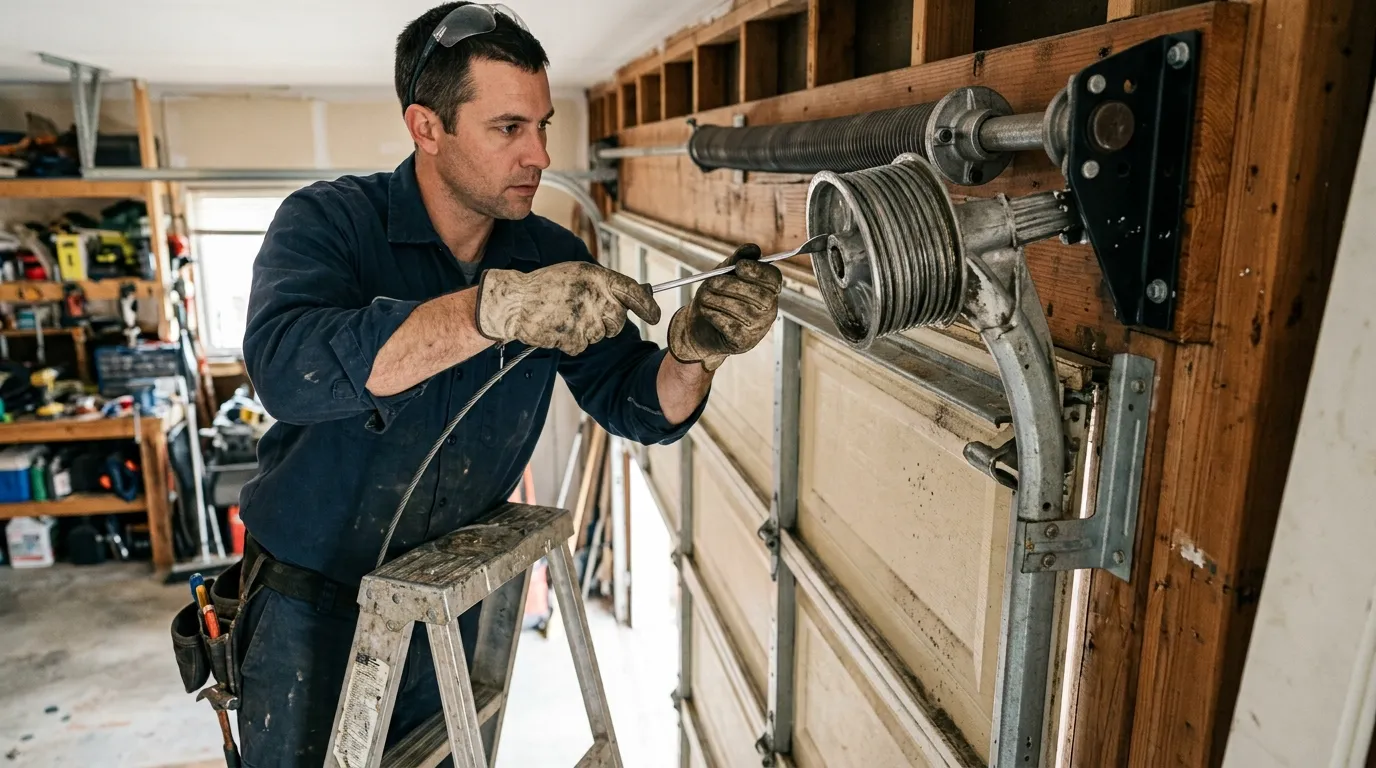
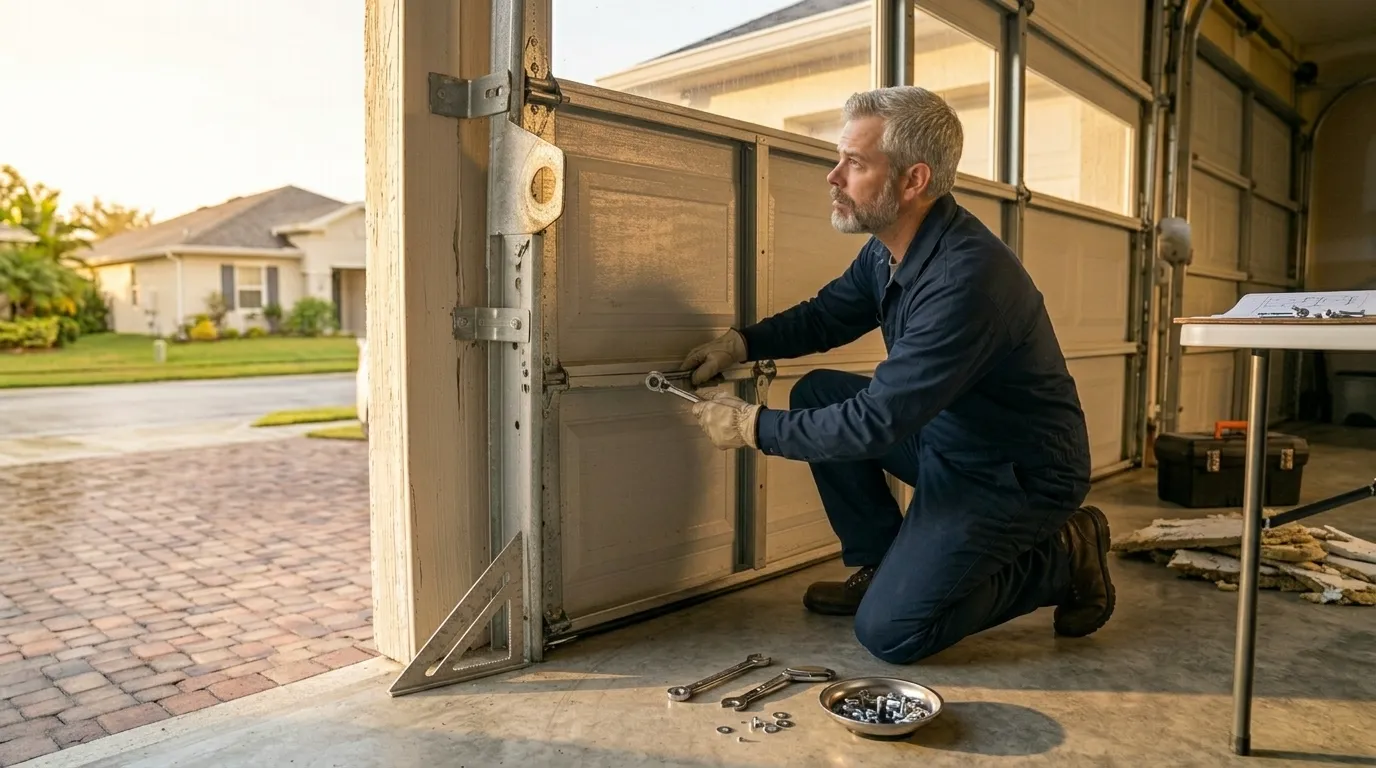
We cover the ring of towns around Weatherford, from Hudson Oaks four miles out to Willow Park, White Settlement, Mineral Wells, and Oak Trail Shores further along. Wherever you are in that stretch, the visit is the same: we look at the cable, the drum it winds onto, the track alignment, and the spring system driving the whole thing, because a cable rarely fails on its own.
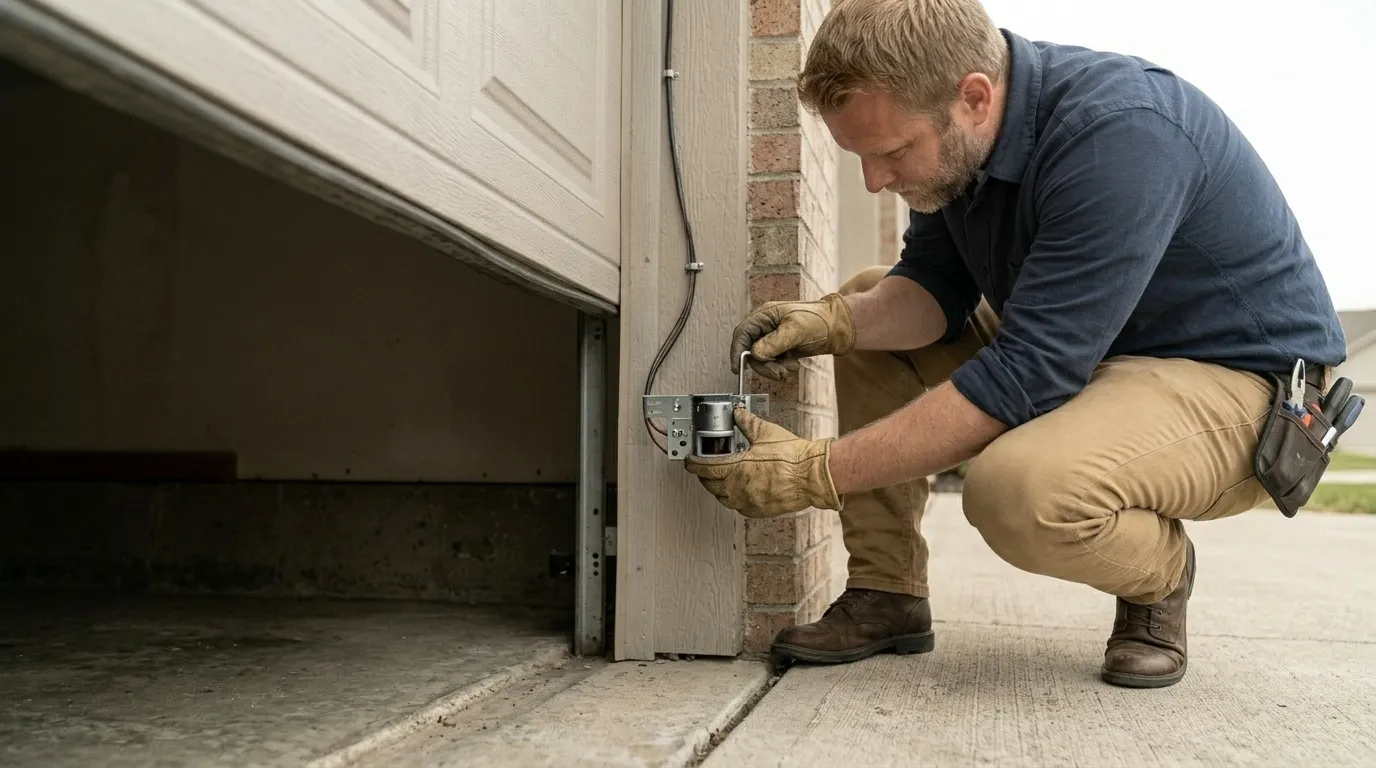
One honest limit: if you tell us the door is grinding or off track and it turns out the opener itself has failed too, that's a second part and a second decision on cost. We'd rather tell you that up front than surprise you with it standing in your driveway.
What Causes It Around Here
Housing across this service area was mostly built between 1966 and 2010, with the median year landing around 1990, and the bulk of it clusters in that 1980s and 90s stretch across the thirteen named communities we work in. That matters for cables specifically: galvanized aircraft cable from that era wasn't spec'd for forty years of daily cycling, and a lot of these doors are still running their original drums and original cable.
Weatherford sits in a moderate-heat climate band, not the extreme end of Texas heat, but enough that cables see real thermal swing between a hot garage in July and a cool one in January. That expansion and contraction, cycle after cycle, is what turns a healthy strand into a frayed one - you'll see the fraying start near the drum or near the bottom bracket, the two spots that flex the most.
Corrosion plays a smaller role here than in coastal climates, so when a cable fails in this area it's usually fatigue from cycles and age, not rust eating through the strands. That's a useful thing to know before you assume the worst about a door that's otherwise been fine for decades.
What You Are Seeing
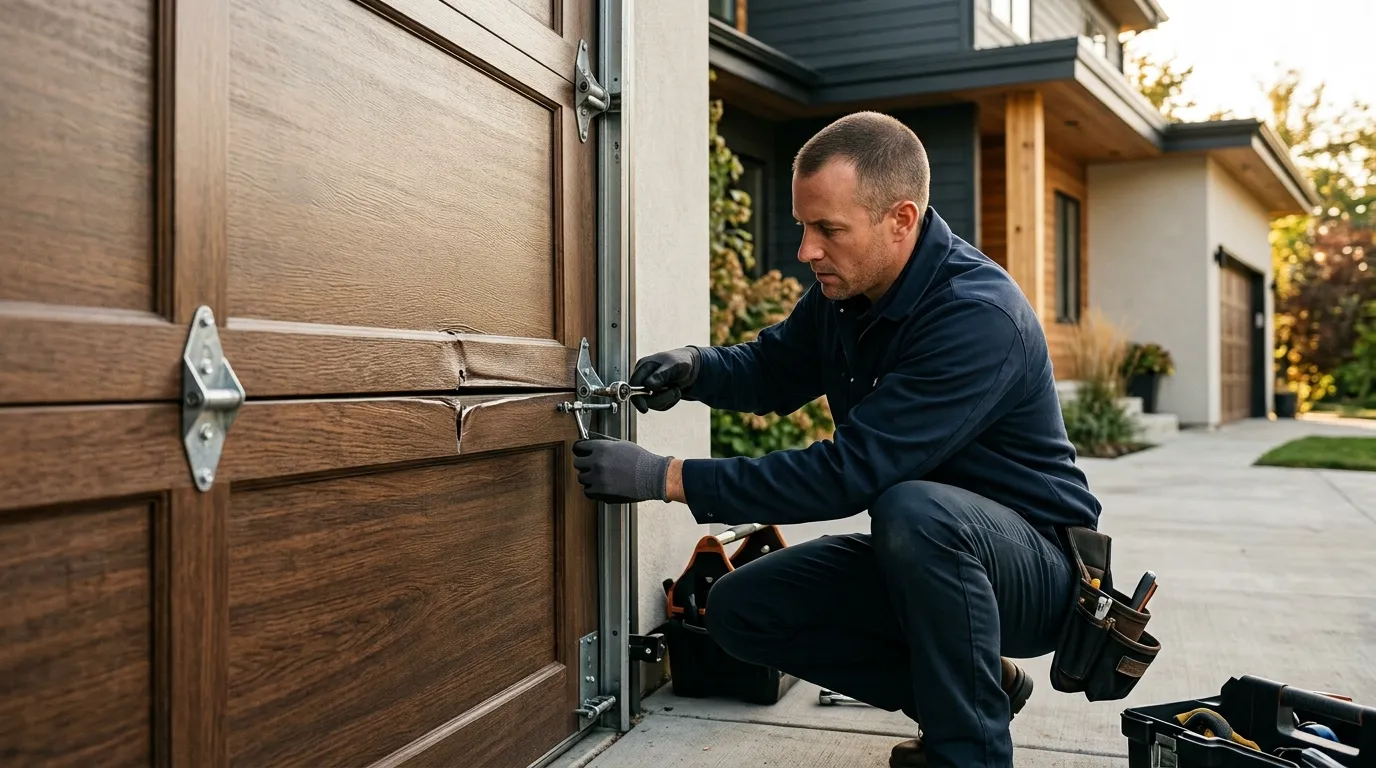
The most common sign is a door that's crooked - one side sits lower than the other, or the door binds partway up. That's a cable stretched or slipped off its drum, not necessarily snapped yet. A fully snapped cable usually shows itself fast: the door drops hard on one side, sometimes with a loud bang, and won't move under opener power because the safety systems catch it.
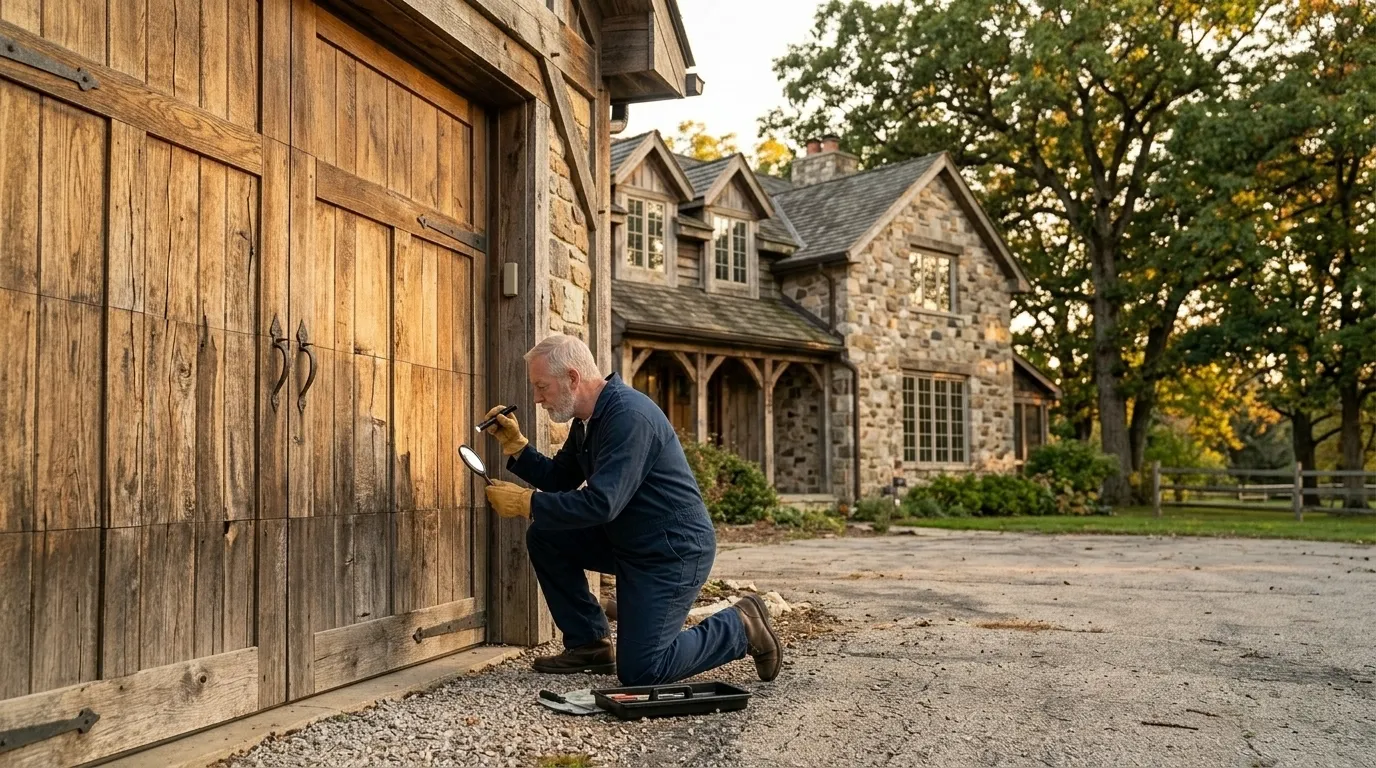
On older doors in this area's 1980s and 90s stock, you might spot fraying before full failure - a few broken strands sticking out near the bottom bracket or wound around the drum, looking almost furry. That's worth calling about before it lets go completely, especially on a two-car door where both cables are under load and one going puts real strain on the other.
A door that reverses on its own partway up, or an opener that strains and clicks without lifting the door, can also point to a cable problem rather than the opener itself. If you're not sure which it is, that's fine - describing what you see on the call is enough for us to bring the right parts the first time.