Getting It Booked In
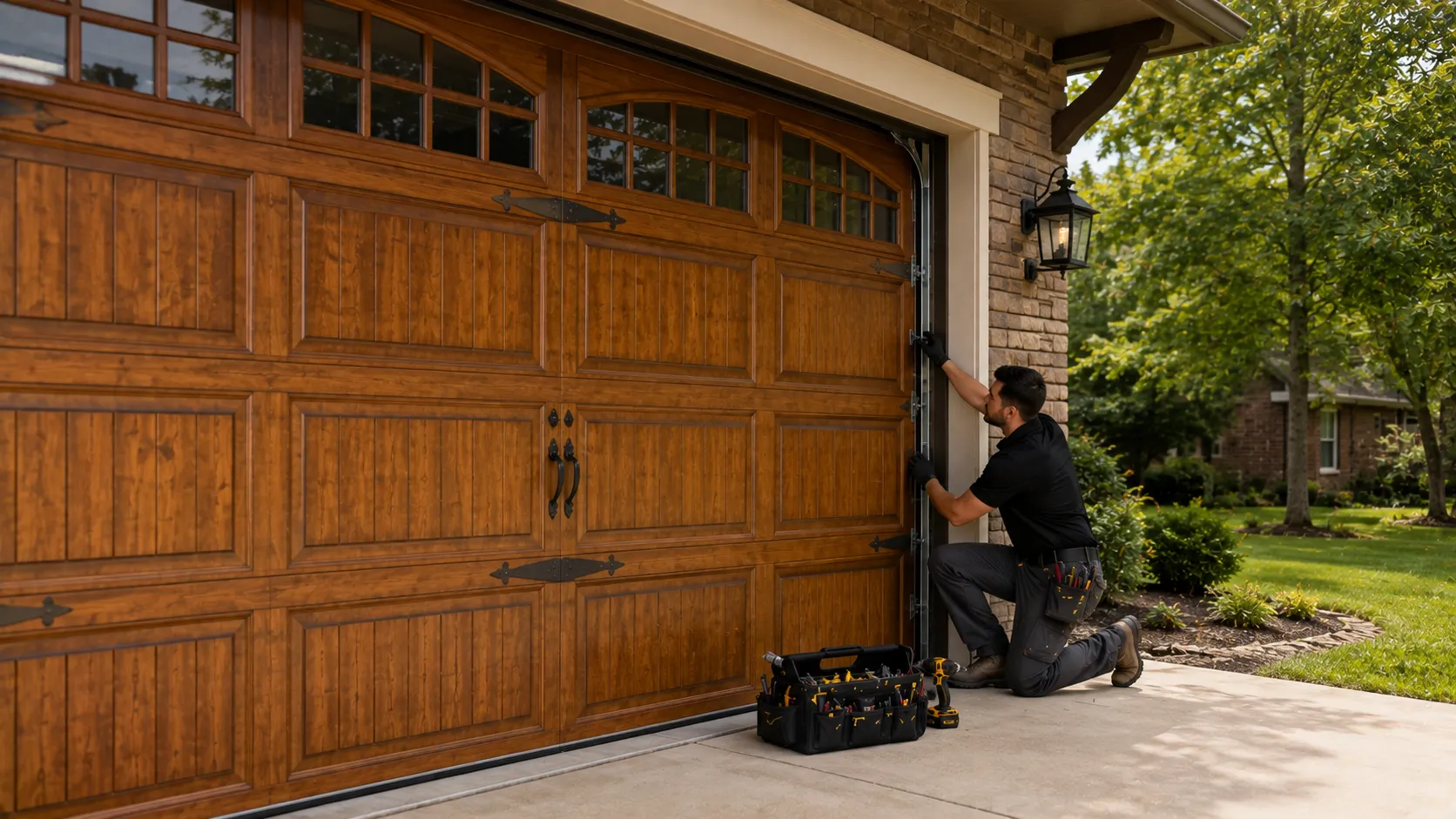
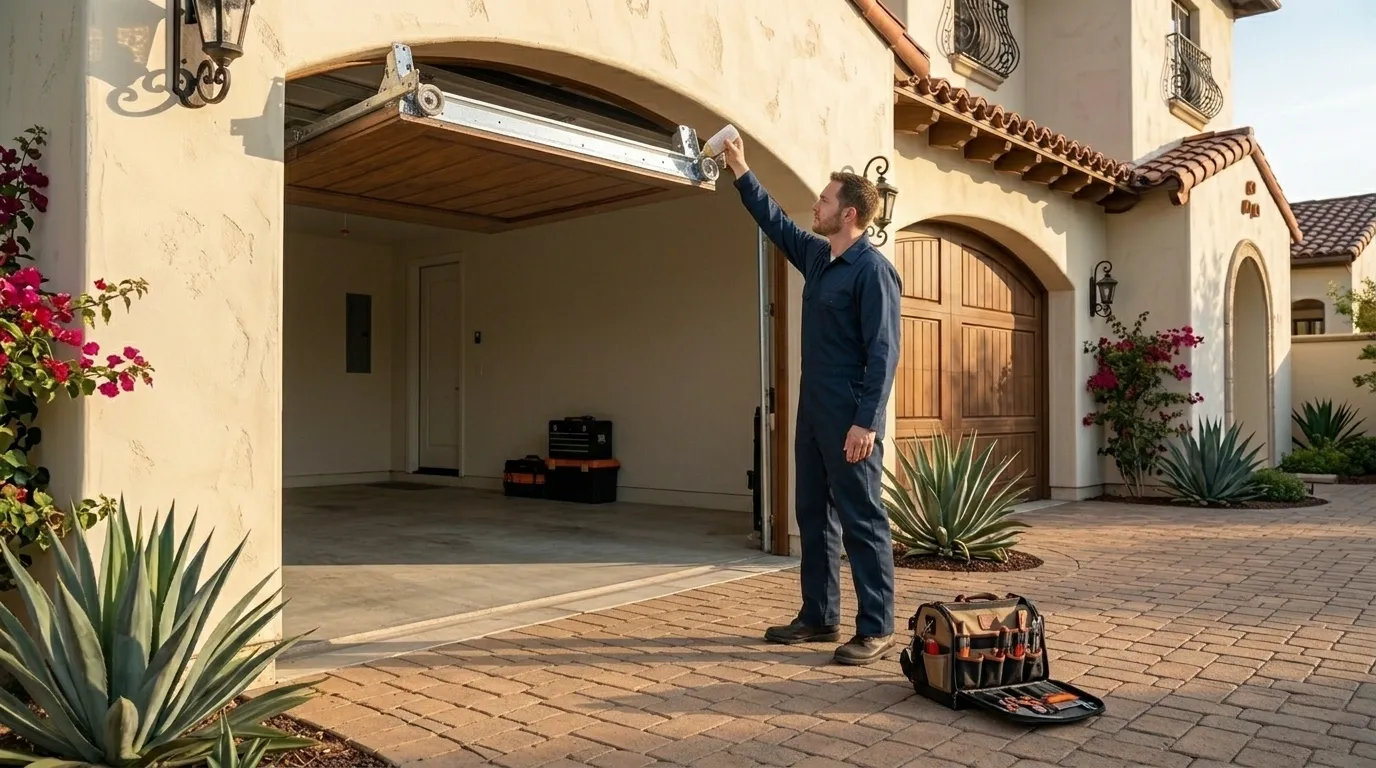
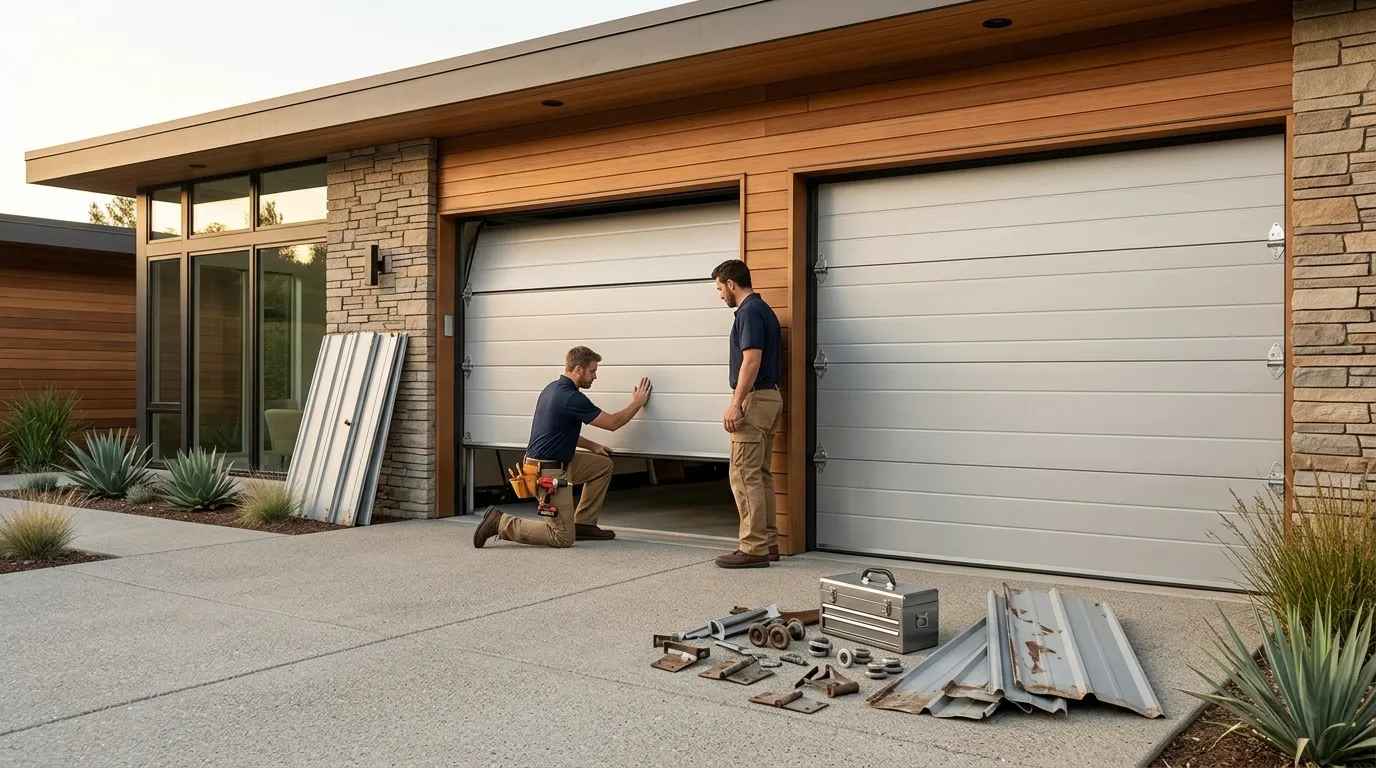
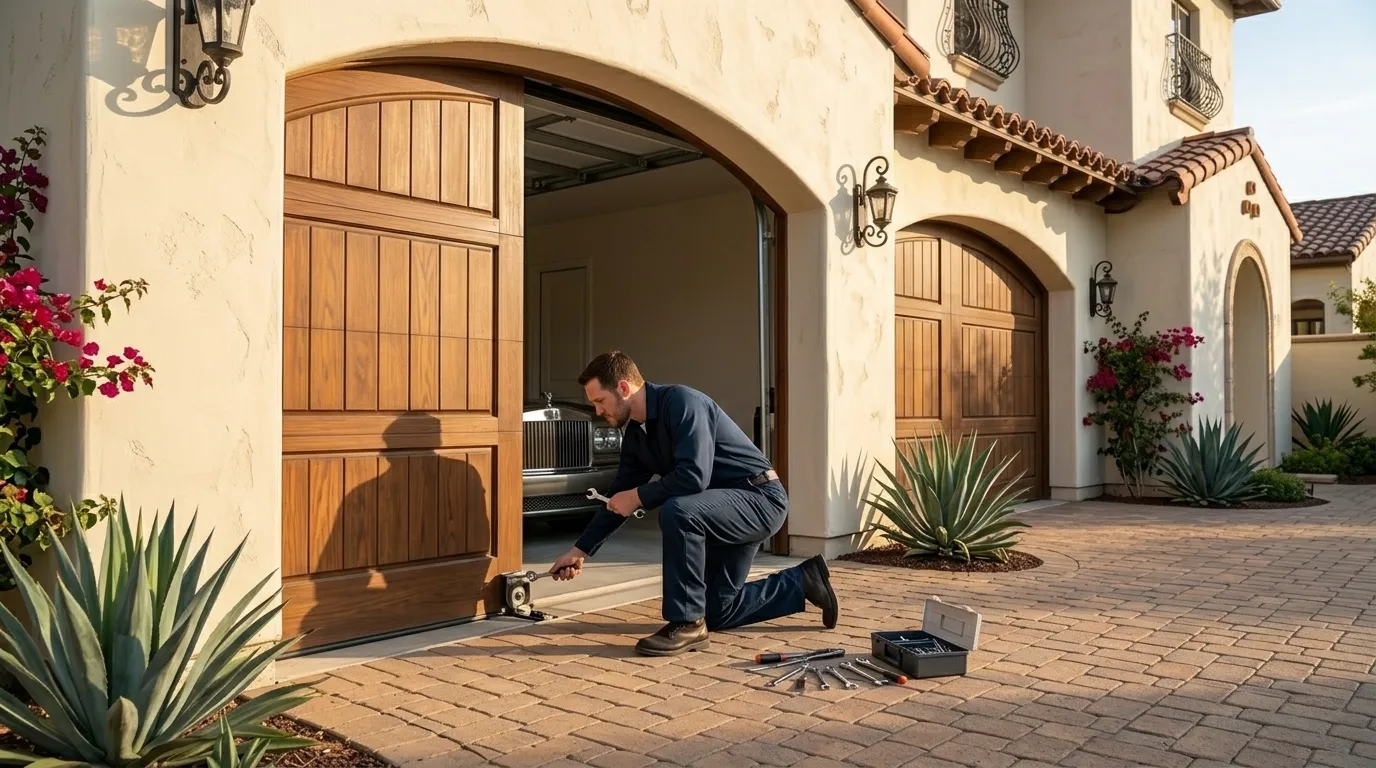
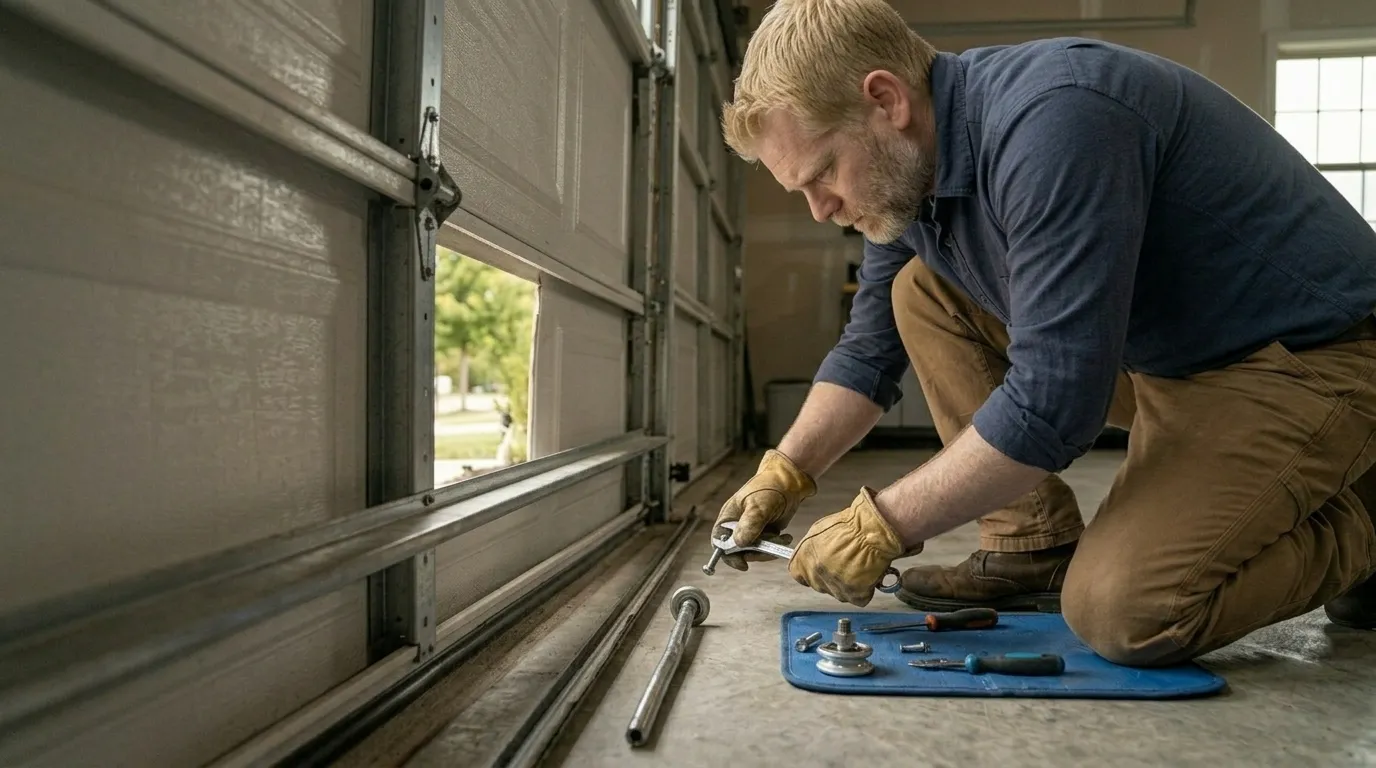
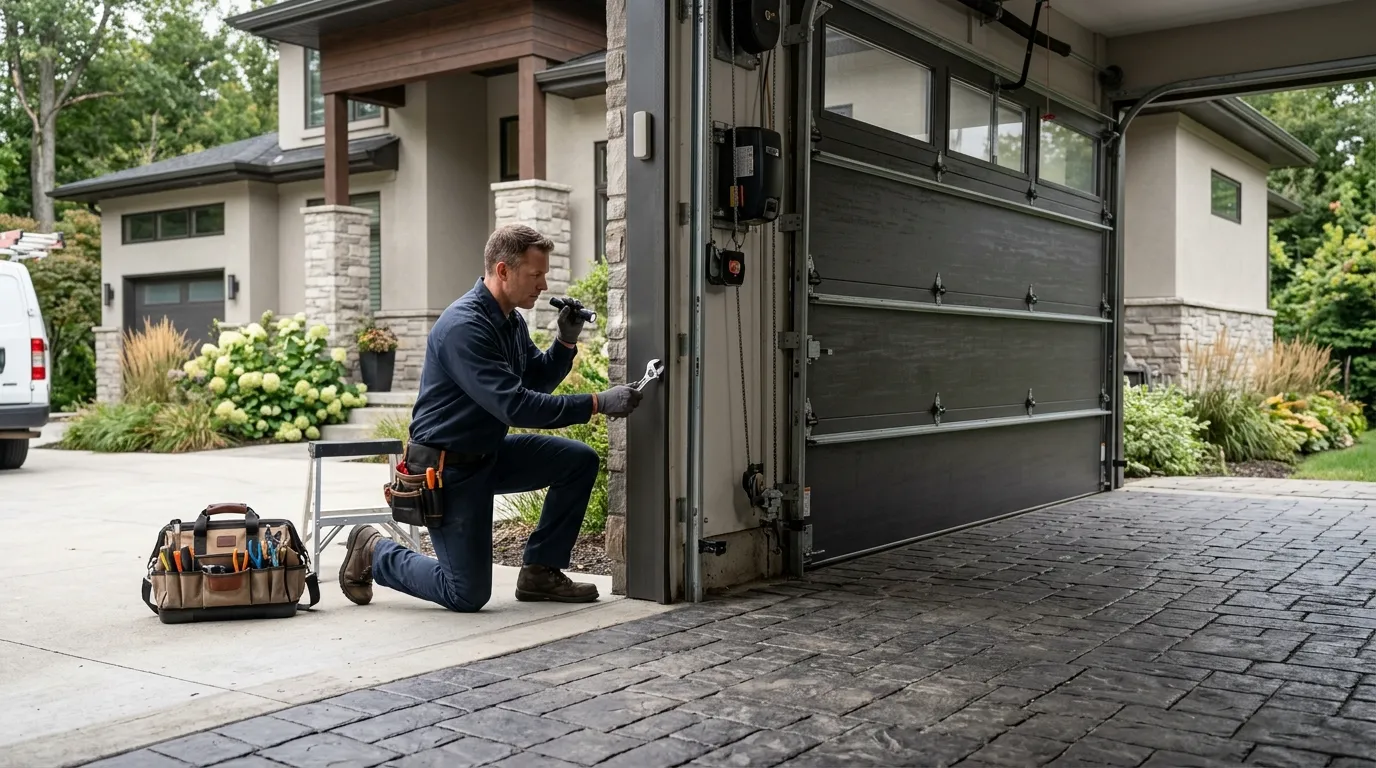
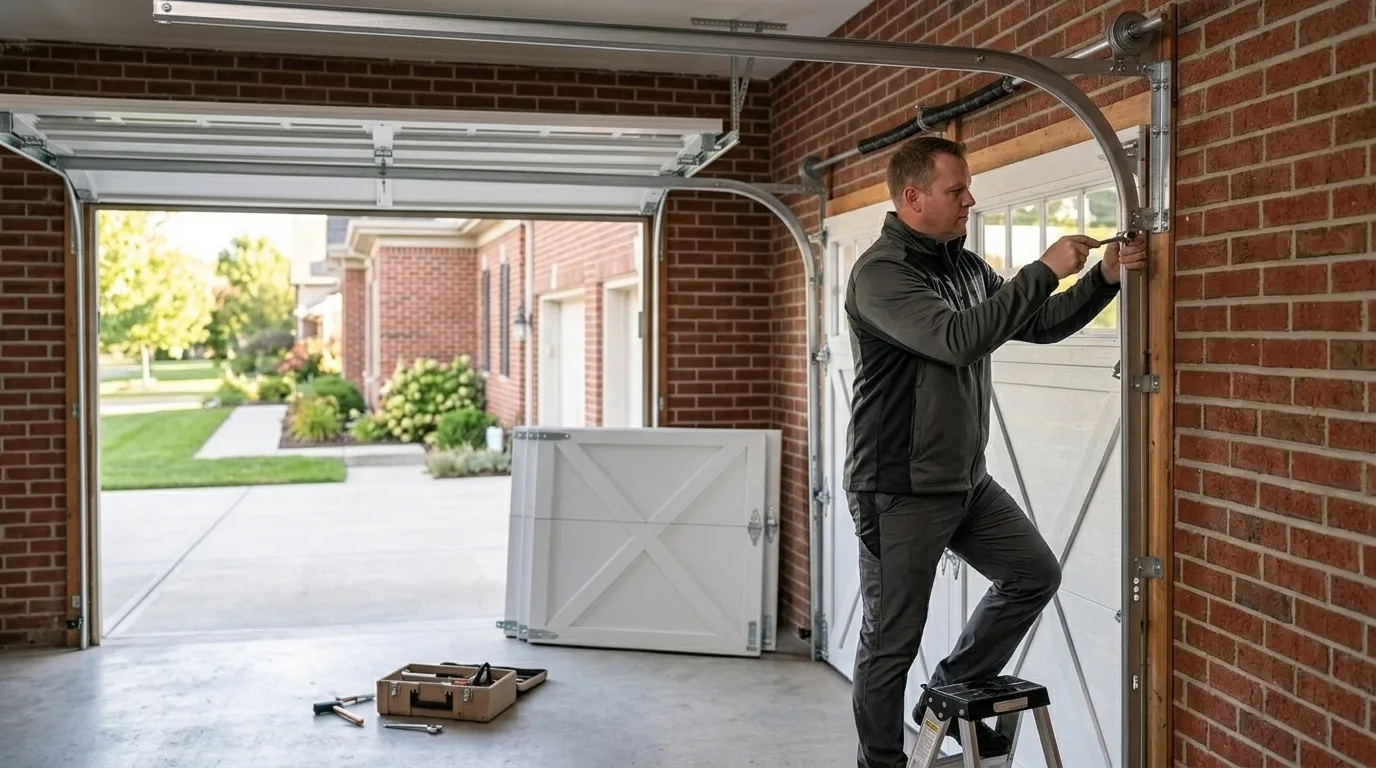
Roller replacement is a straightforward call-out, not an emergency dispatch, unless the door is stuck open or won't close at all. Tell us what you're hearing and whether the door still moves - that tells us if we're bringing a set of rollers or diagnosing something bigger like a bent track. Most of the homes we work in across this service area were built between 1966 and 2010, with a heavy concentration from the 1980s and 90s, so we carry the roller sizes and stem lengths that match that era's tracks as standard stock, not special order. If your house falls outside that build window we'll still handle it, we just may need to confirm hardware on site first. We book by phone and keep the visit to one trip in most cases - roller swaps don't usually need a return visit for parts.
What Causes It Around Here
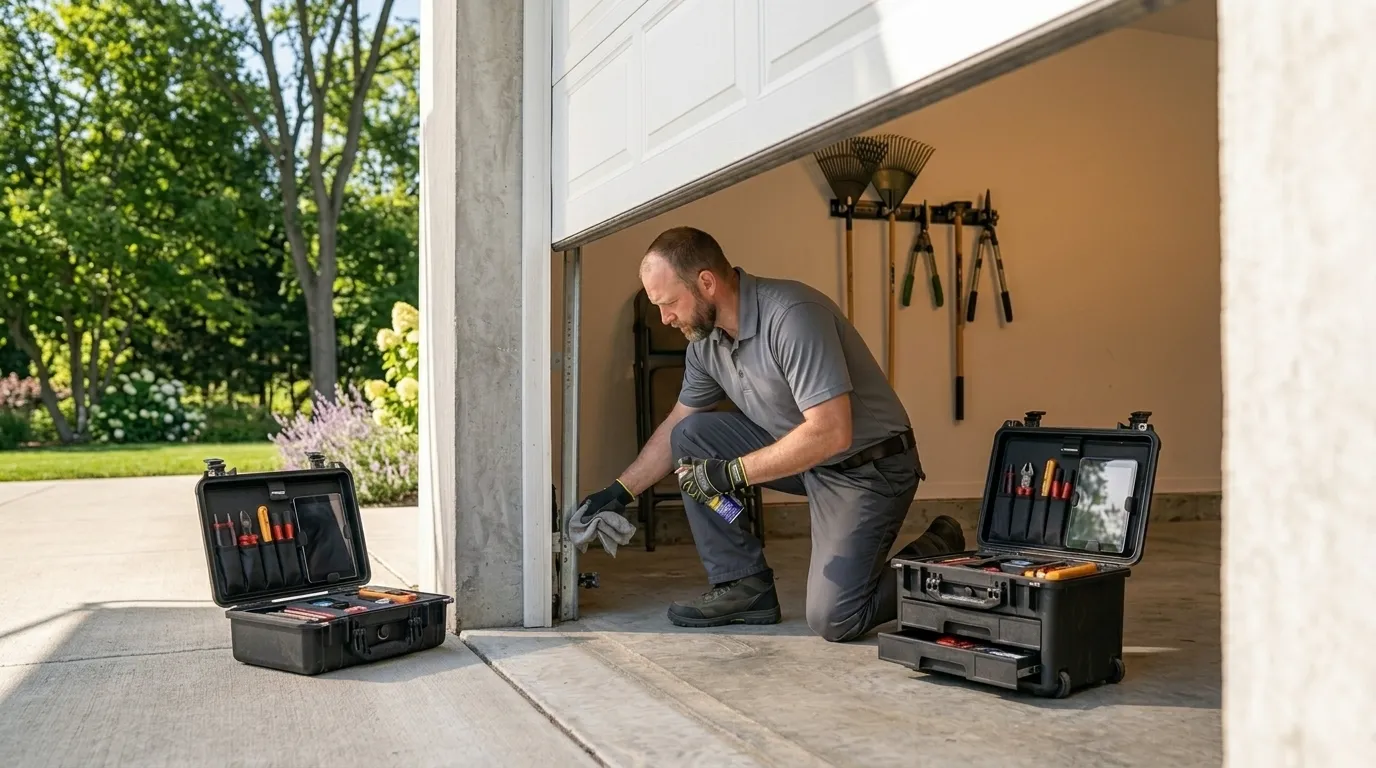
Nylon rollers fail from heat cycling more than from age alone. This part of Texas sits in a moderate-to-hot climate band, and a garage that faces west or sits over an attached space with a hot attic above it puts the roller wheel through repeated expansion and contraction every single day it's warm out. That's most of the year here. Original steel rollers from the 1980s and 90s builds common across this area were never sealed or lubricated to spec, and thirty-plus years of that cycle wears the bearing race down until you get the grinding or popping sound owners describe. Newer nylon rollers handle the heat better but they're not immune - the stem bends or the wheel cracks eventually. Houses built later, closer to 2010, tend to have galvanized track and slightly better tolerances, so the same fault shows up later in the life of the door, not never.
What You Are Seeing
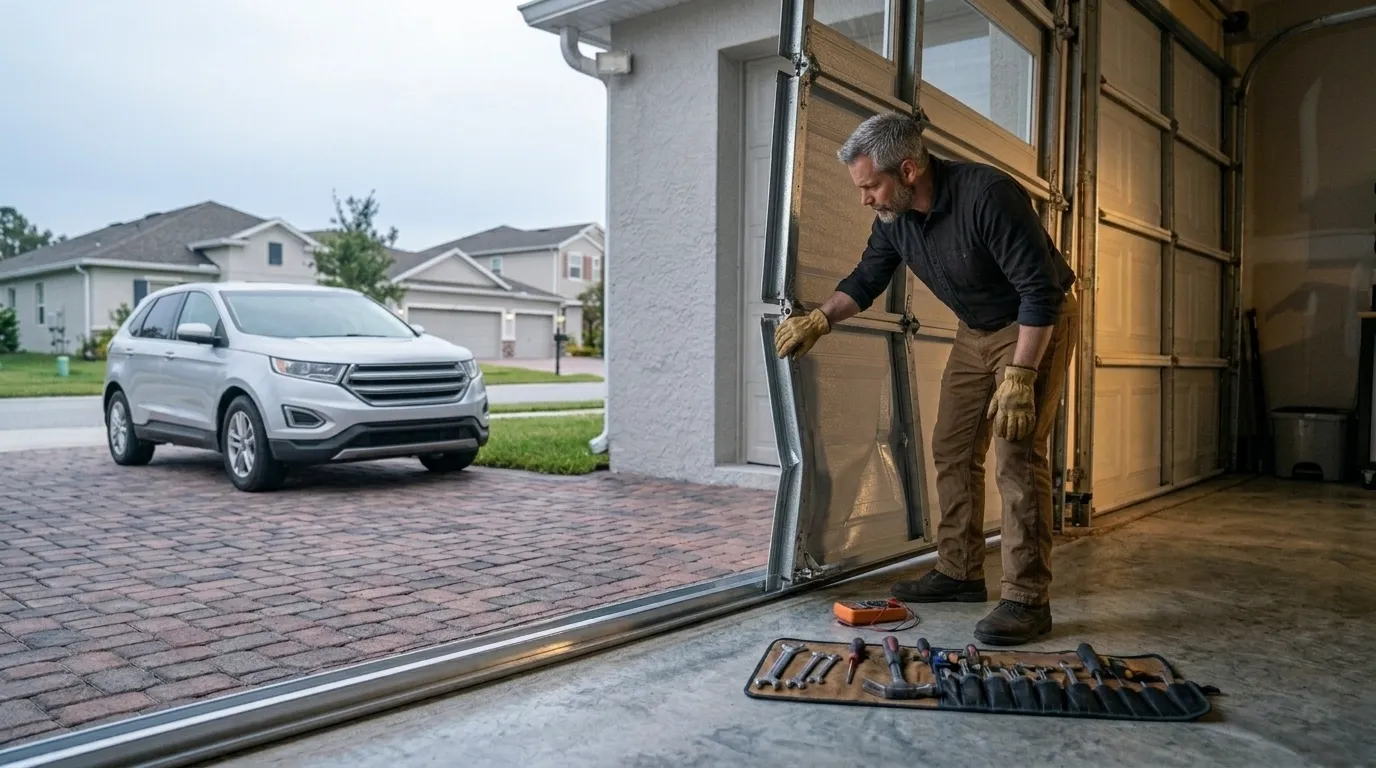
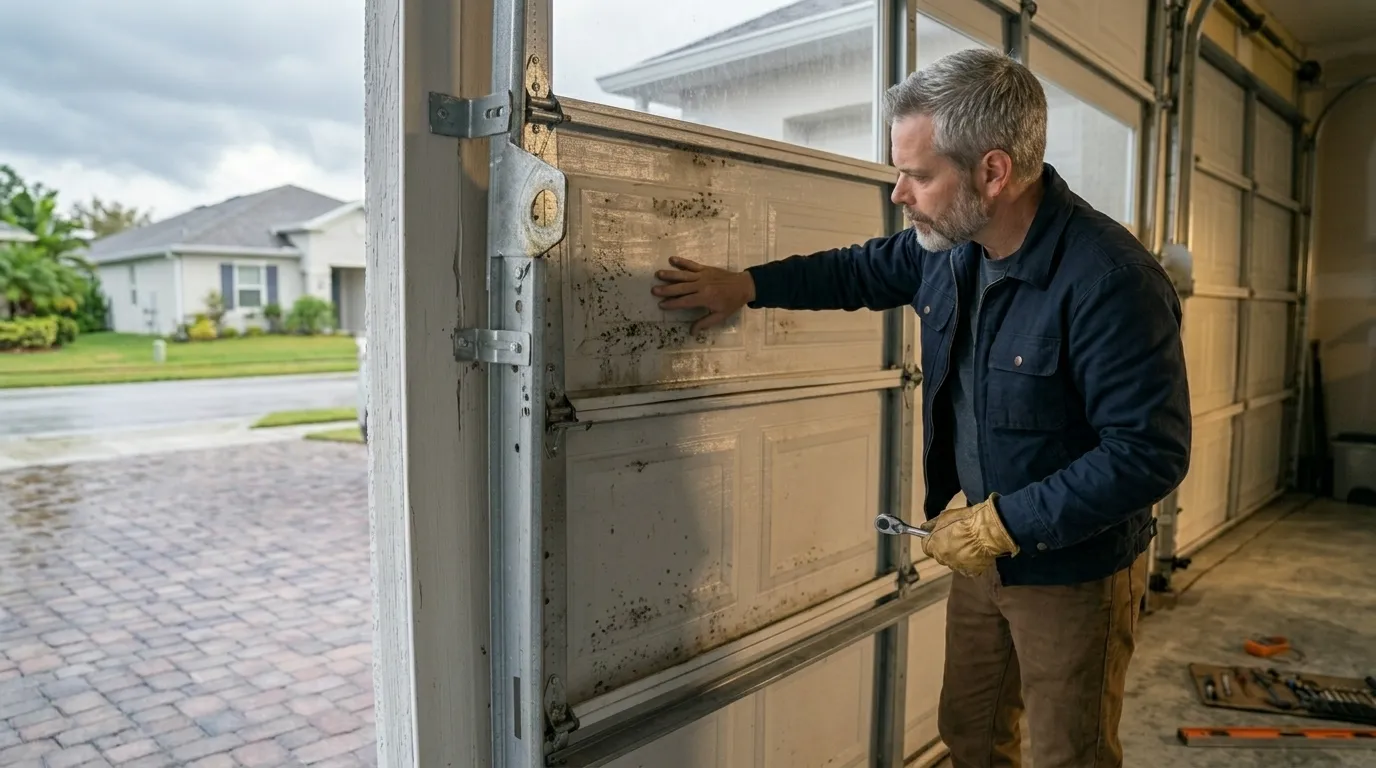
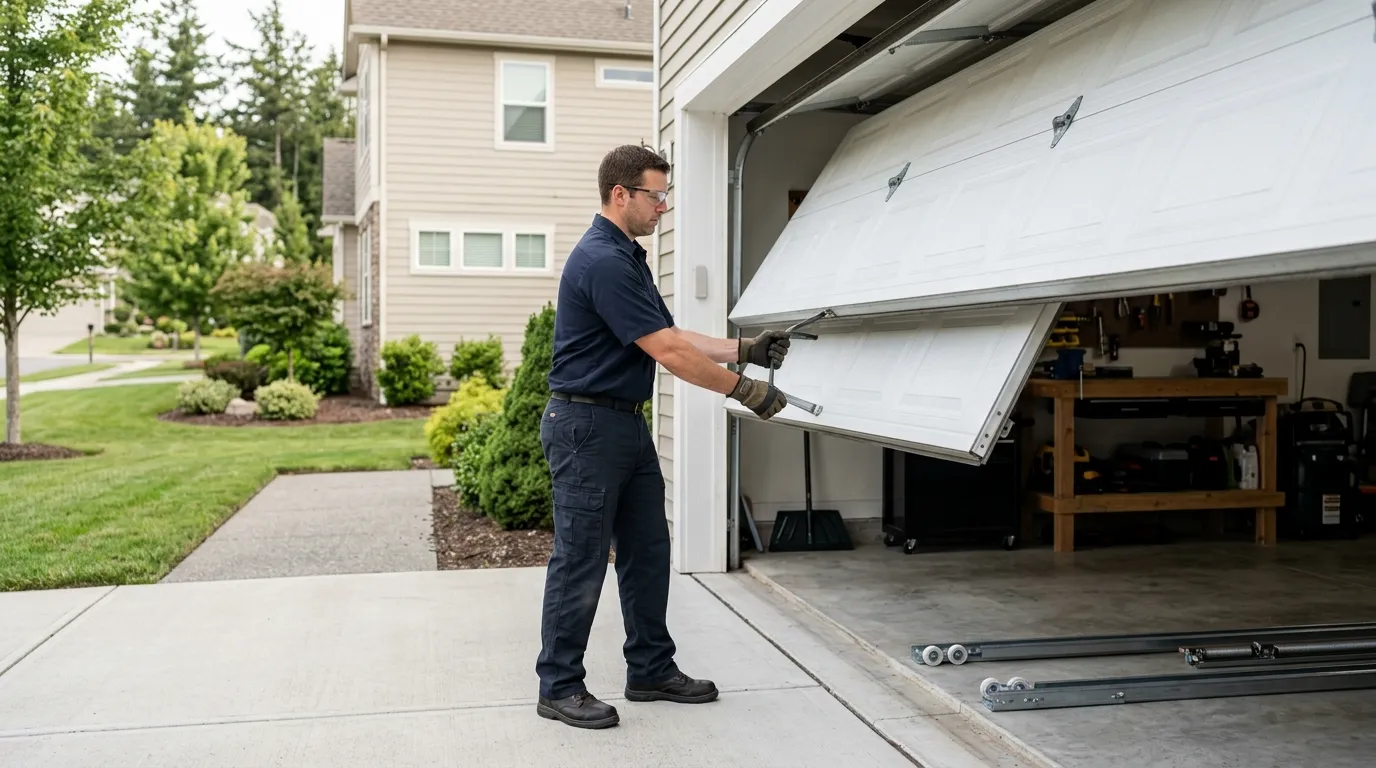
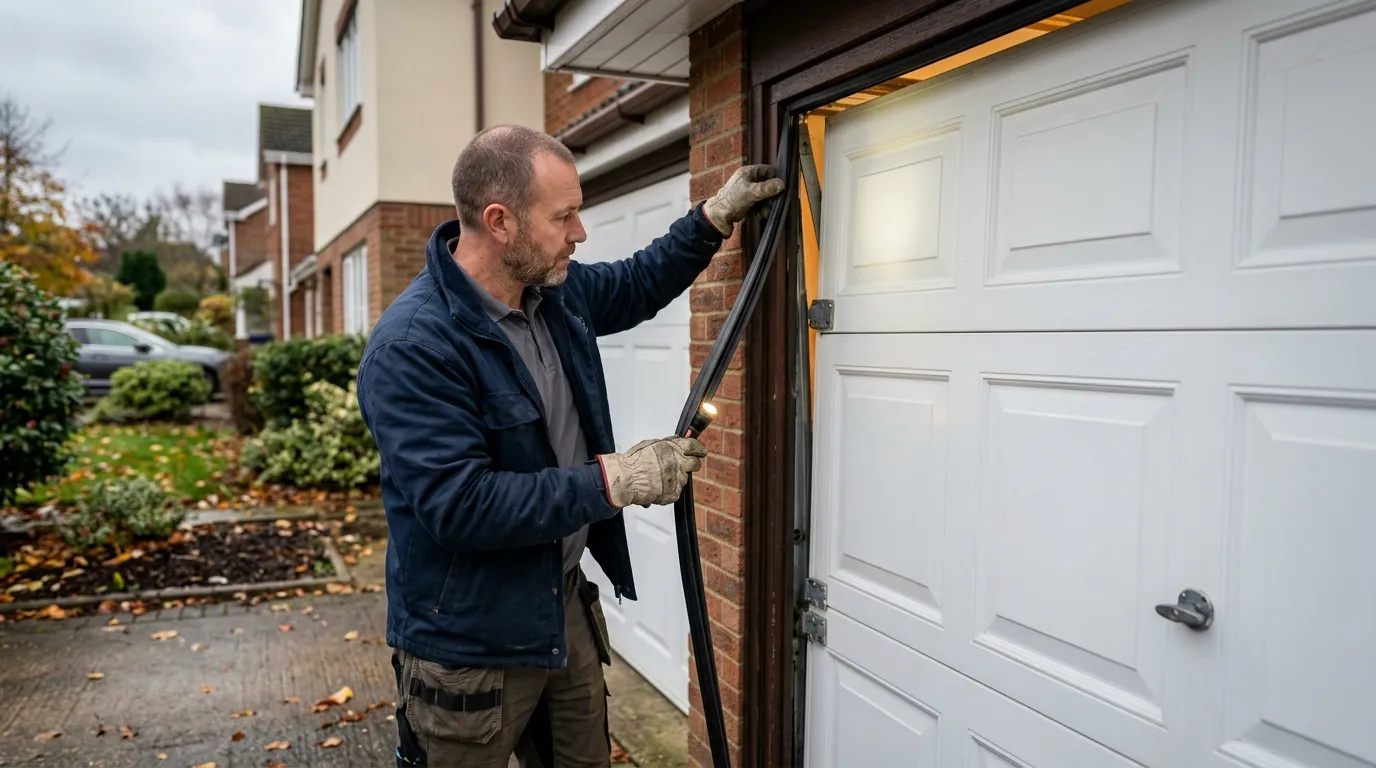
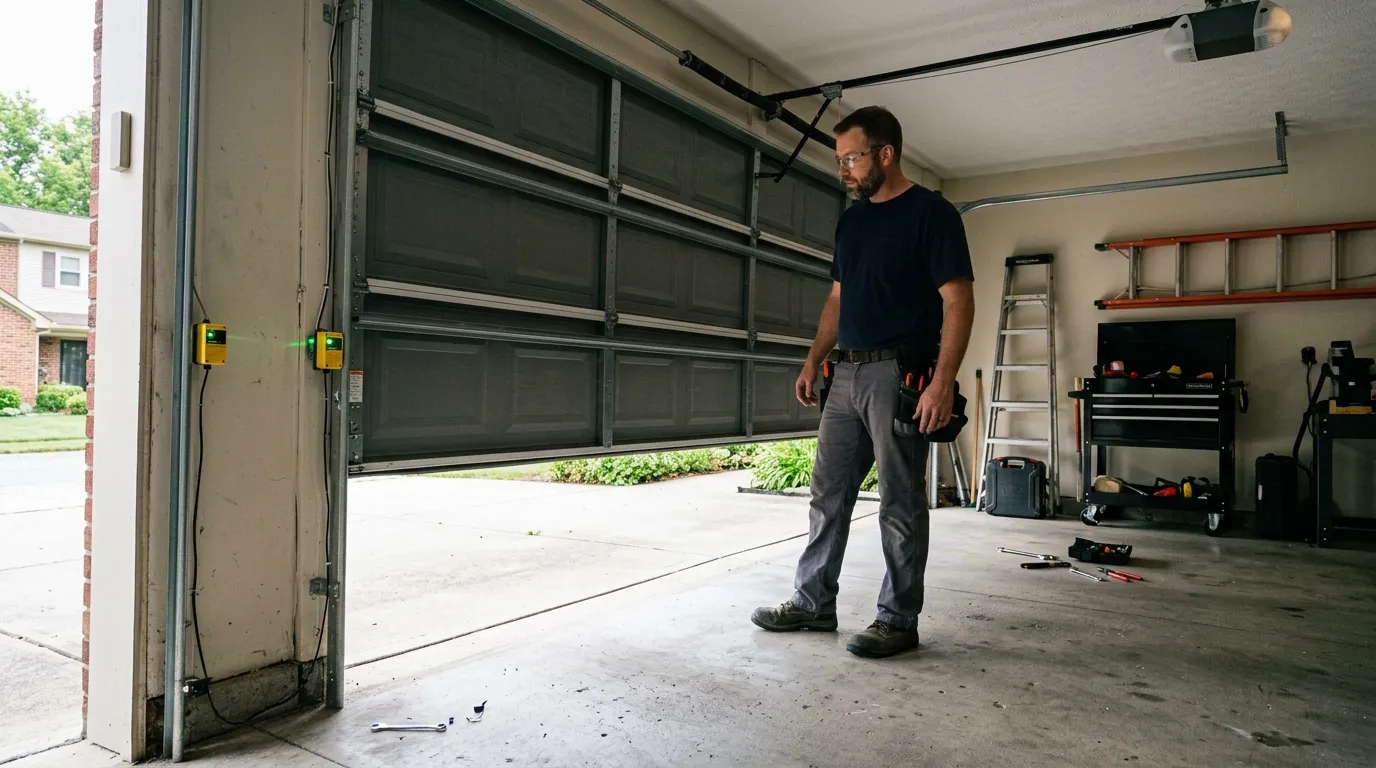
The usual signs: a grinding or squealing sound as the door travels, the door catching or jerking at the same spot on every cycle, or a rattle that's gotten louder over a few months. Some owners notice the door running noticeably rougher only in the hottest part of the afternoon, which points straight at heat-worn rollers rather than a spring or opener problem. If the door comes off the track entirely, stop using it - that's not a roller-only fix anymore and running the opener against a derailed door can bend the track or crack a panel. Across the roughly 12,601 owner-occupied houses in this service area, this is one of the most common single-part calls we get, right behind spring replacement.