Getting It Booked In
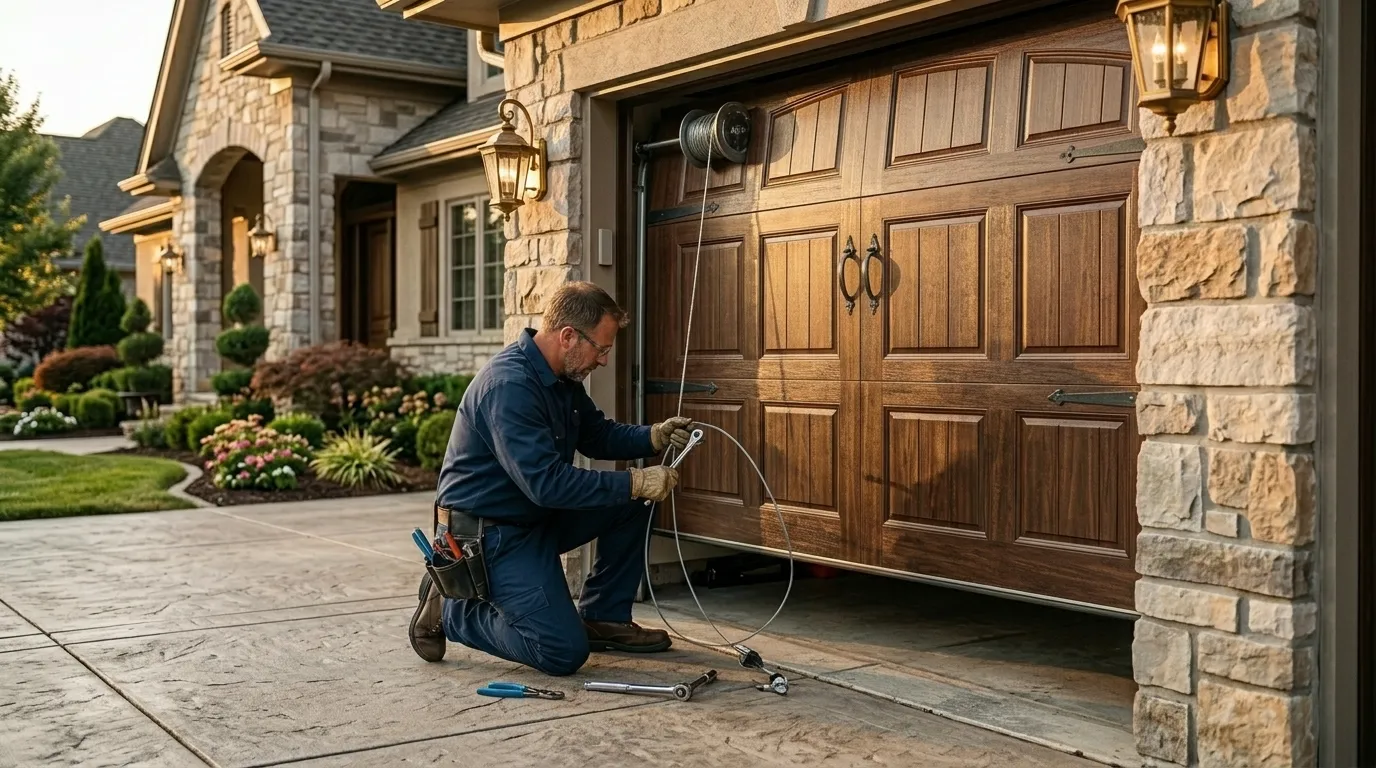
When you call about an opener install, the first thing we need to know is what's already hanging in your garage: chain drive, belt drive, screw drive, or a jackshaft unit mounted on the wall. That tells us whether this is a straight swap or a job that needs new mounting brackets, rewired wall controls, or a different rail length. We ask about door weight too - a single steel door and an insulated wood-look double door don't take the same horsepower, and putting the wrong motor on either one is how you end up back at square one in a year.
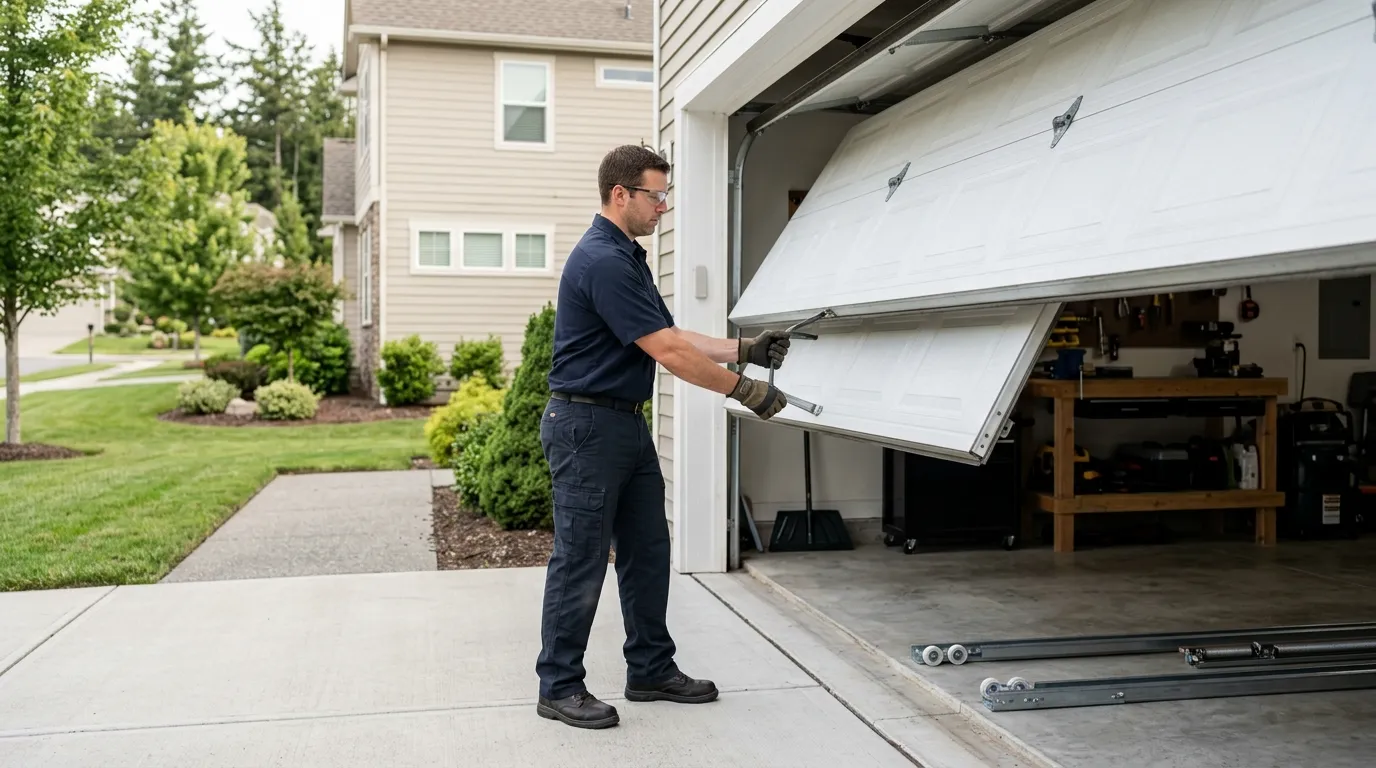
Once we know the door and the opener you want, we give you a number before anyone shows up, not after. Most installs are a same-visit job: pull the old unit, hang the new rail and motor, run the wiring, set the travel limits, and test the safety reversal before we leave. If your project involves running new circuit wiring to the garage or your door itself needs work first, we'll say so up front rather than discover it standing on a ladder.
We book across the whole service area - homeowners as close as Hudson Oaks and as far out as Oak Trail Shores call for the same reason: the opener that's been in the ceiling for decades finally gave up.
What Causes It Around Here
Most houses across this service area went up between 1966 and 2010, with the heaviest concentration of that stock dating to the 1980s and 90s across the thirteen communities we cover. That matters for openers because a huge share of those homes are still running the original chain-drive unit that came with the house, or a direct replacement installed decades ago with the same basic design. Chain drives from that era were built to last, but they weren't built with today's circuit boards, and thirty-plus years of use wears the gearing down to plastic dust long before the motor itself quits.
The climate here sits in a moderate heat band, and an uninsulated garage bakes all summer. Heat is hard on the parts people don't think about: the capacitor in the motor housing, the logic board that reads your remote, the plastic drive gear that strips its teeth when it gets brittle. A unit that's fine in a cool basement in another climate can start failing years earlier in a garage that regularly sits well above the house's indoor temperature.
Put those two things together - an aging housing stock and a garage that runs hot most of the year - and you get openers failing in a pretty narrow band: not brand new, not ancient, just old enough that the plastic finally gave out.
What You Are Seeing
The most common complaint is a motor that hums or clicks but the door doesn't move - that's usually a stripped drive gear, and once it strips, it's done, not fixable. Close behind that is a chain or belt that's gone slack enough that the door lags a beat behind the motor, or a remote that used to work from the driveway and now only works standing right under the unit, which points to a dying circuit board rather than a dead battery.
Some owners notice the door reversing on its own halfway down, or the safety sensors' lights blinking instead of staying solid - that's the reversal system doing its job when something's misaligned, not a reason to disconnect it. Others just notice the door is loud in a new way: a grinding or grating sound on the way up that wasn't there a year ago.
If your opener is original to a house built anywhere in the 1980s or 90s range that makes up most of this area's housing, and you're hearing any of the above, it's worth having it looked at before it fails at the worst possible moment - stuck open overnight or stuck shut with the car inside.