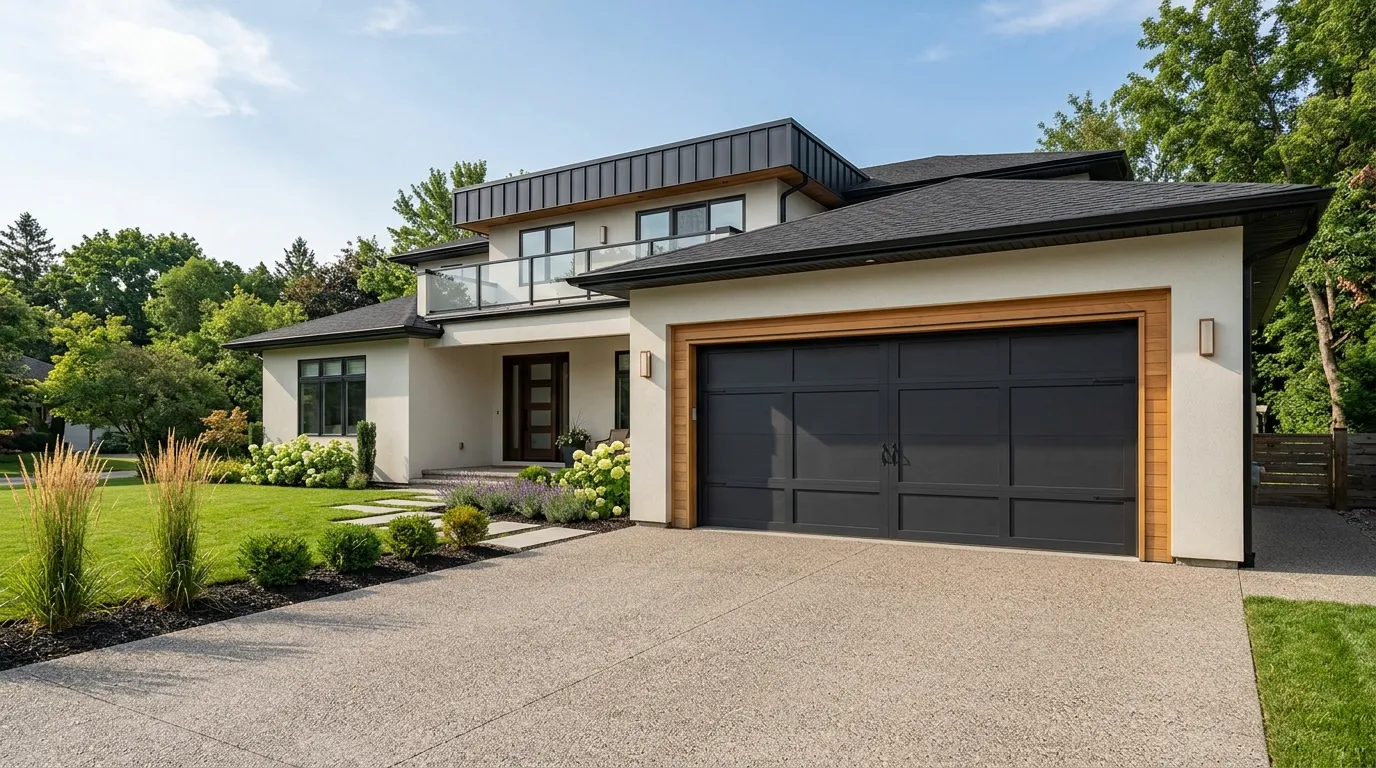
Getting It Booked In
White Settlement's median household income sits at $56,472 - well under the $85,625 median across the rest of the Weatherford service area - and that gap matters before a single measurement gets taken. It's the number that decides whether a new door pencils out now or waits a season, and we talk about it up front instead of after the quote lands.
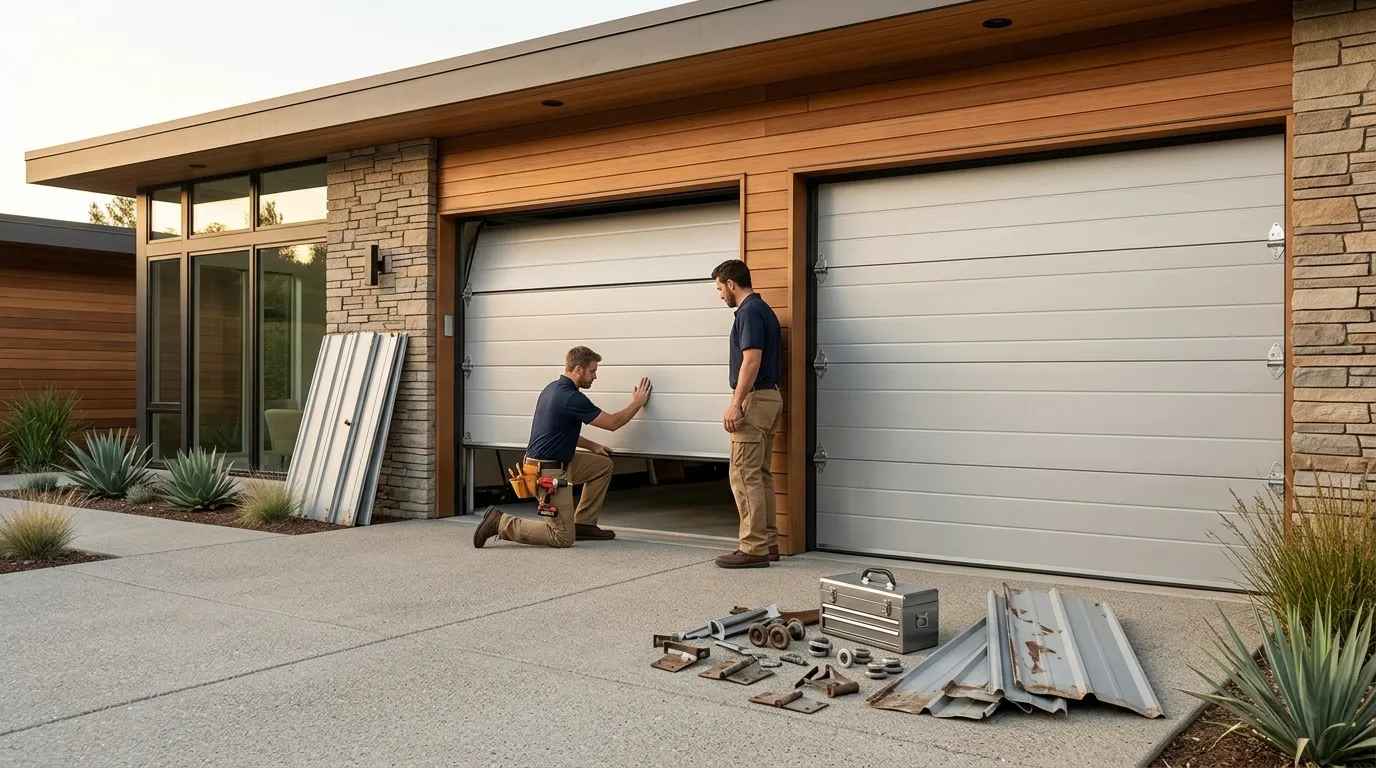
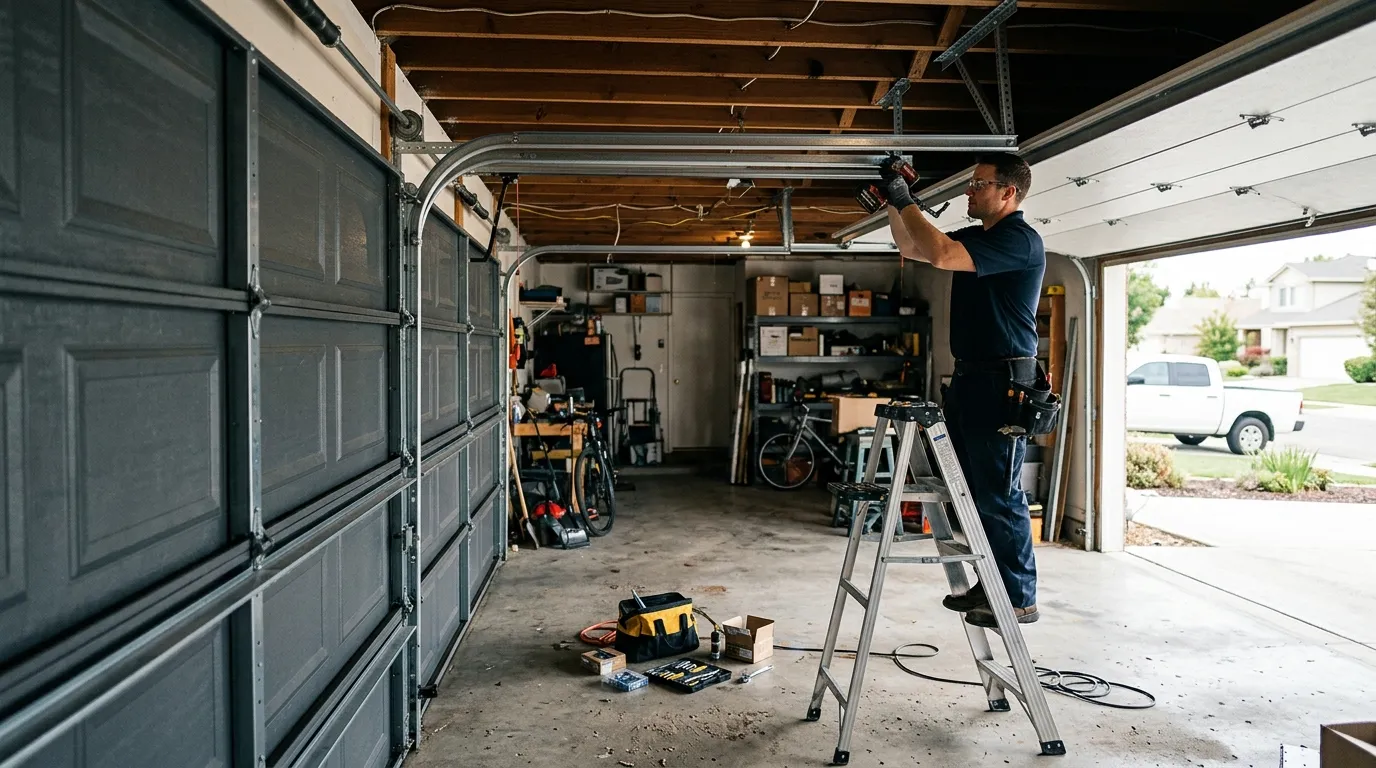
There's no branch here. The truck comes out of Weatherford, about 18 miles, the same run it makes to cover this side of the county. That means booking works best when you can tell us roughly what you're replacing and why - a cracked panel, a door that won't hold torsion any more, an opener that's outlived the door it's lifting - so the truck arrives with the right door on it instead of a tape measure and a guess.
We schedule installs, not drop-ins. Once we've got your opening size, the age of the house, and whether the old door is steel, wood, or aluminum, we can tell you what's coming and when. For a town where most driveways sit 18 miles from the shop, that planning step saves a second trip more often than not.
Stocked Parts
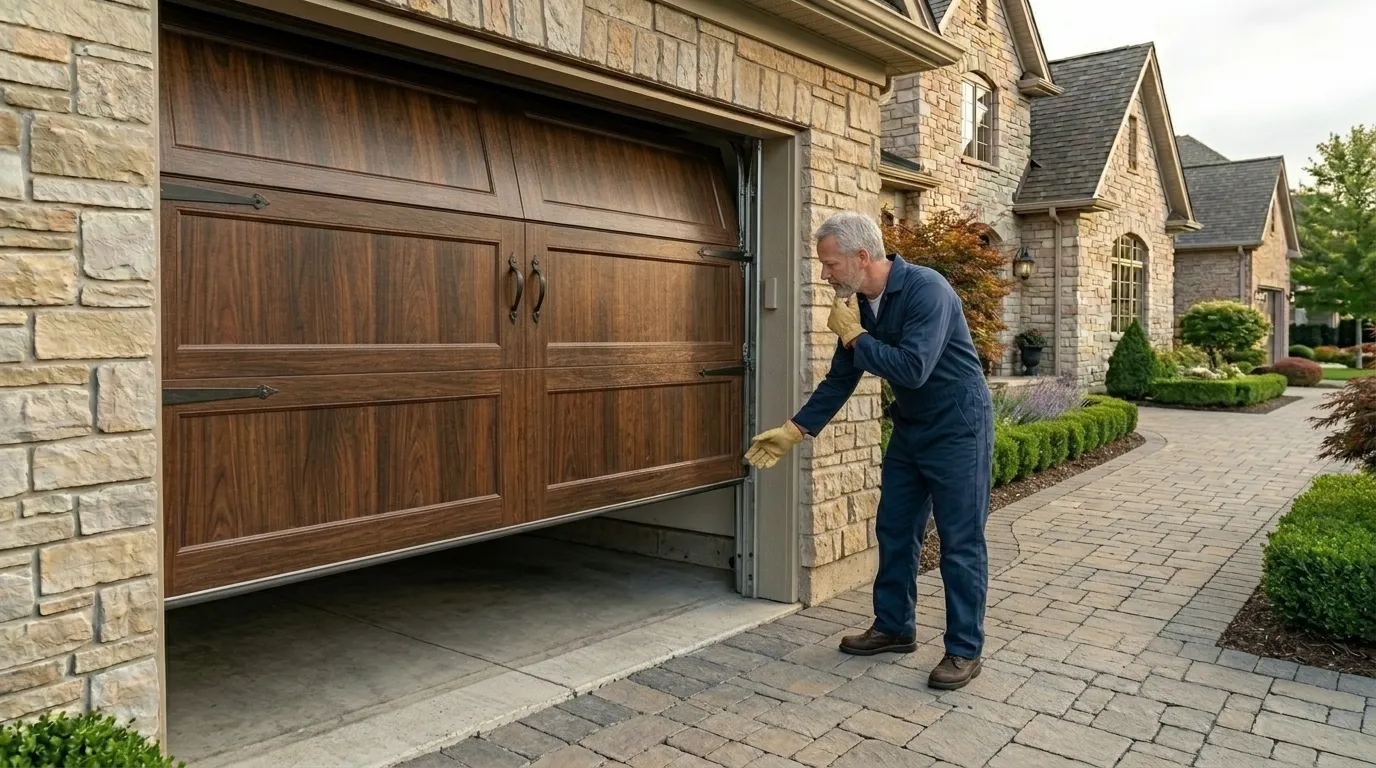
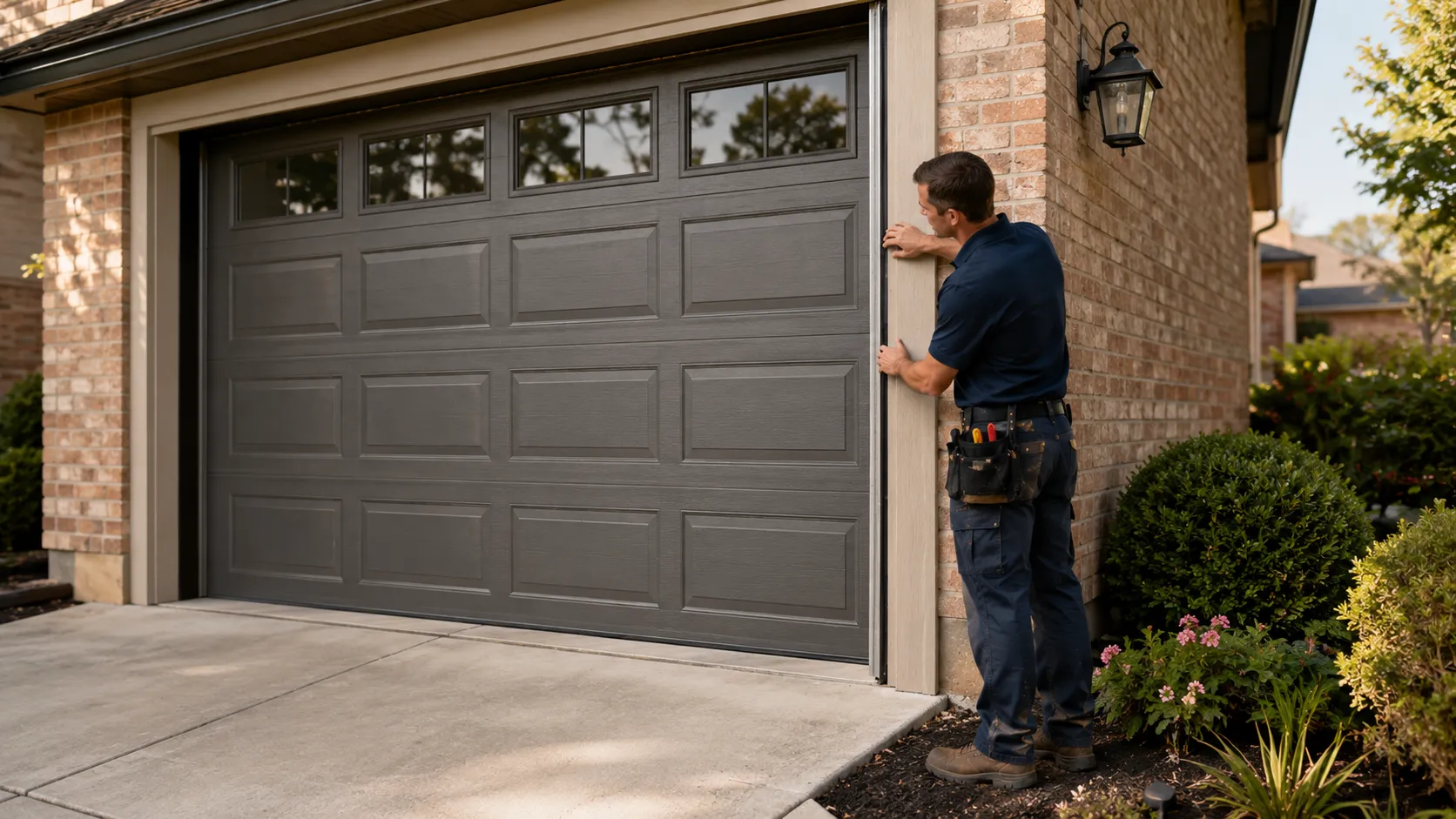
Most of White Settlement went up around 1974, which puts it well ahead of the service area's overall median build year of 1990. That earlier date matters for openings: houses from this run were framed for narrower single doors and shorter double bays than what gets built today, so an off-the-shelf modern door sometimes needs trim work at the jamb rather than a straight swap.
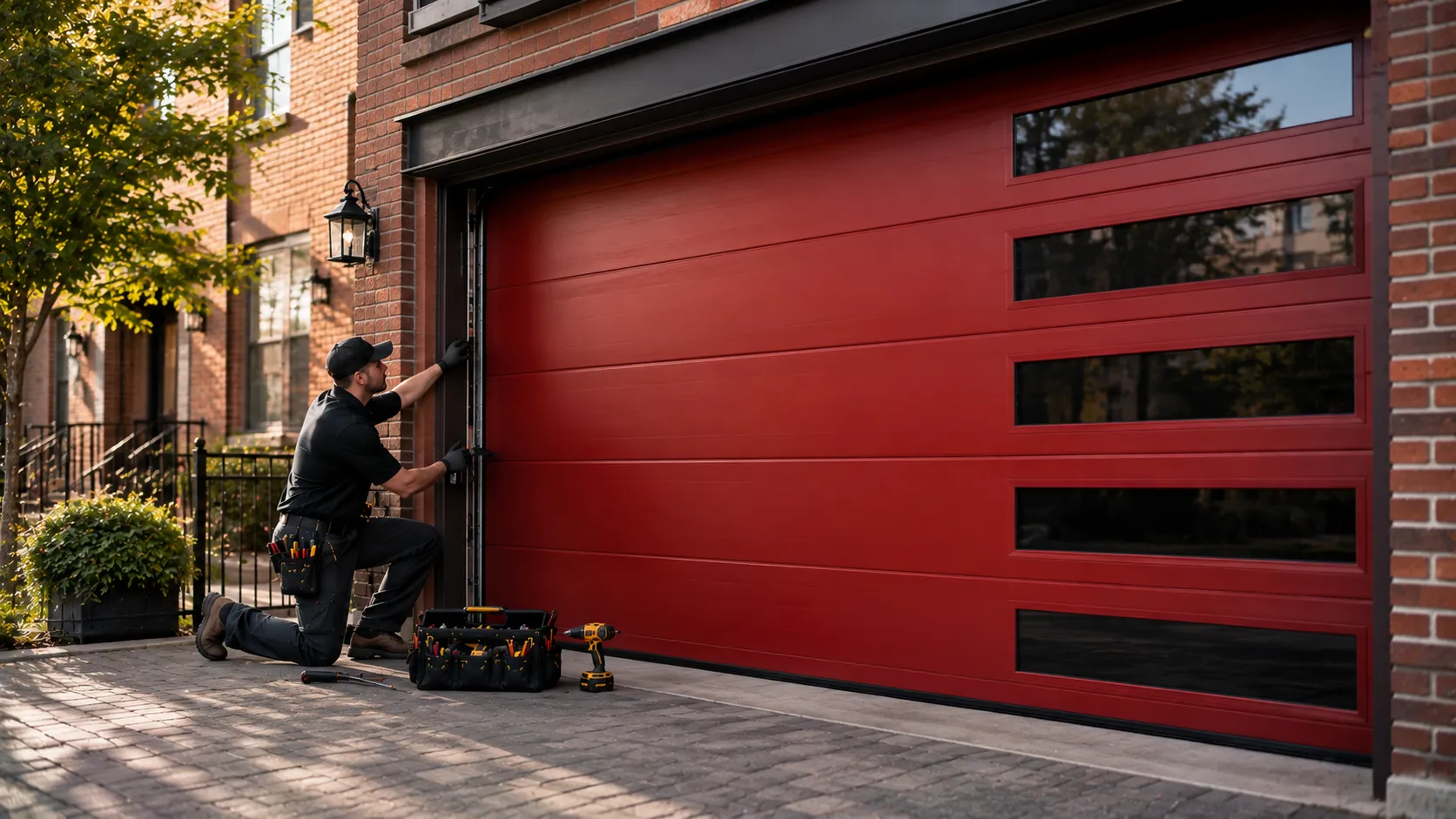
We carry standard steel sectional doors and common torsion spring sizes on the truck, since that covers the bulk of what a 1970s frame takes. What we don't carry is anything custom - a nonstandard width, a specialty insulated panel, a smart-opener bundle with a long lead time from the manufacturer. Those get ordered ahead of the install date, and we'll tell you that cost and wait up front rather than let it surprise you on install day.
The honest limitation here: if your opening was framed oddly or modified over the years - a wider bay cut in later, a header that's not original - we may need a second visit to bring the right hardware. That's not common, but it happens more in older housing stock than new.
The DIY Question
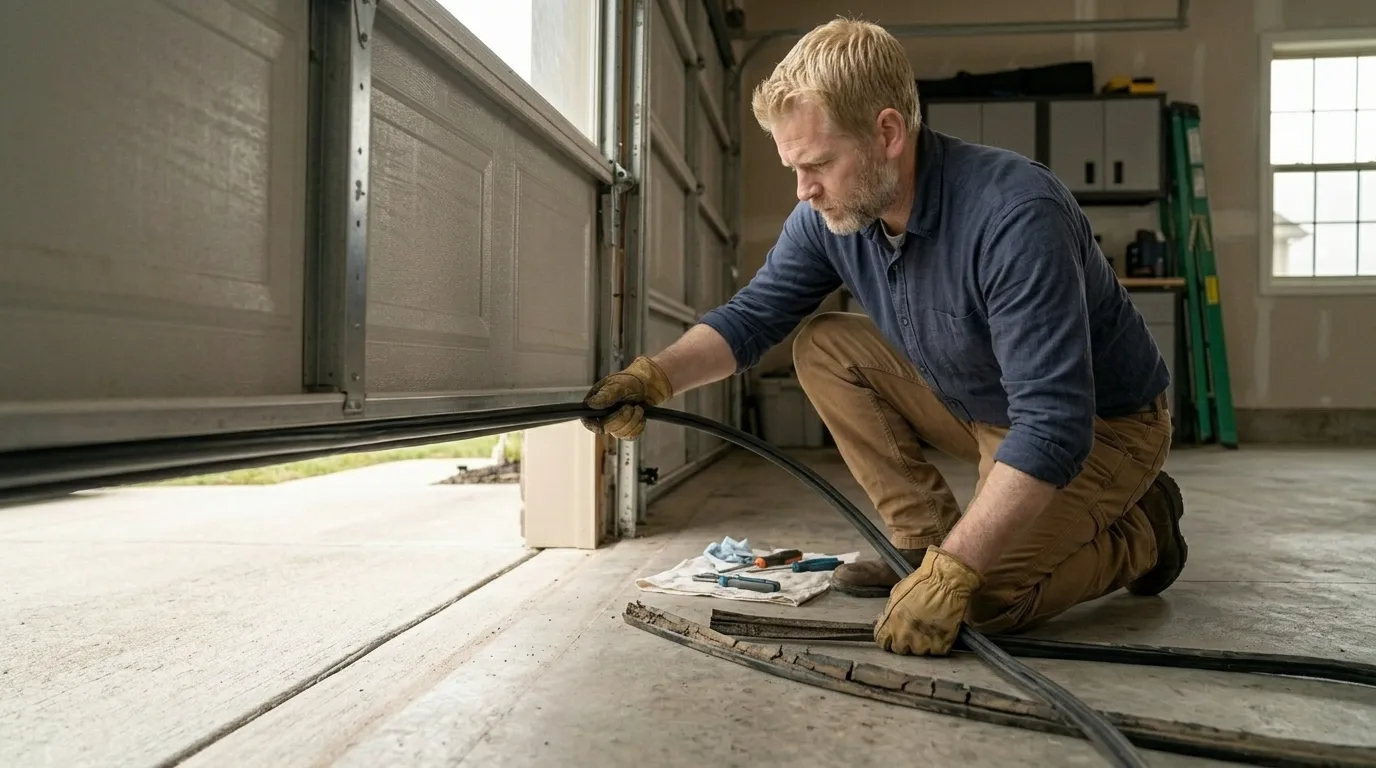
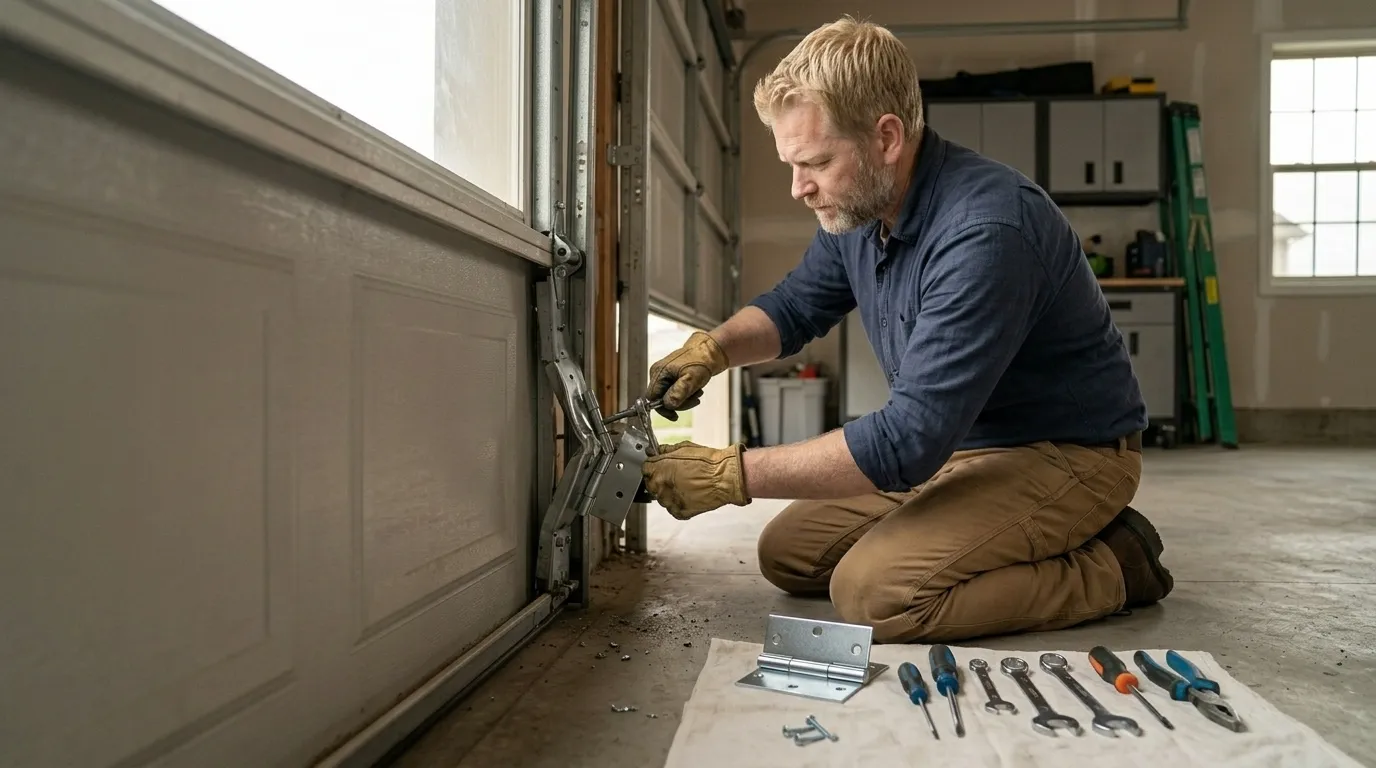
Swapping a garage door panel-for-panel is not a beginner job, and the parts that make it dangerous - torsion springs under load, a door that weighs more than most furniture in the house - don't care how careful you are. That said, there are pieces of this job a handy homeowner can reasonably do: weatherstripping, replacing a bent bottom bracket, painting or staining a wood door.
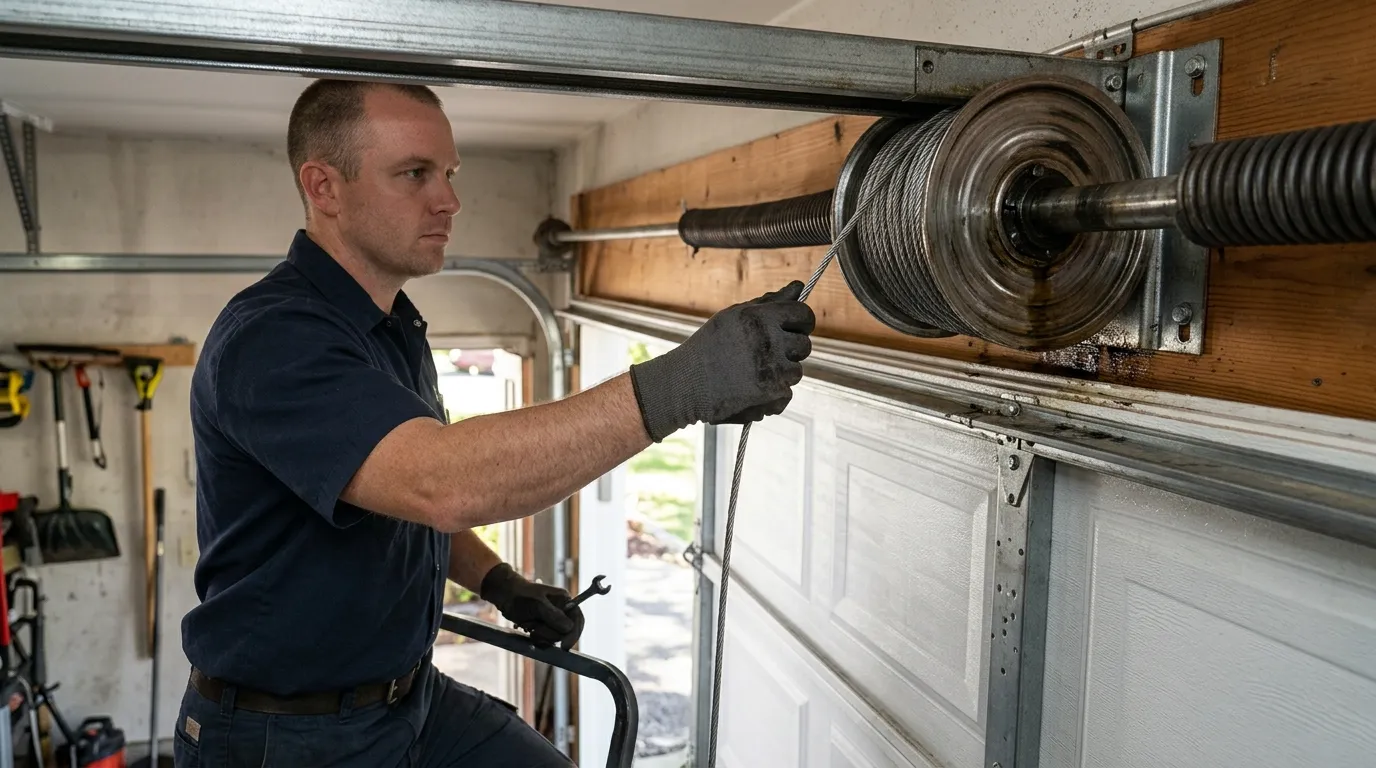
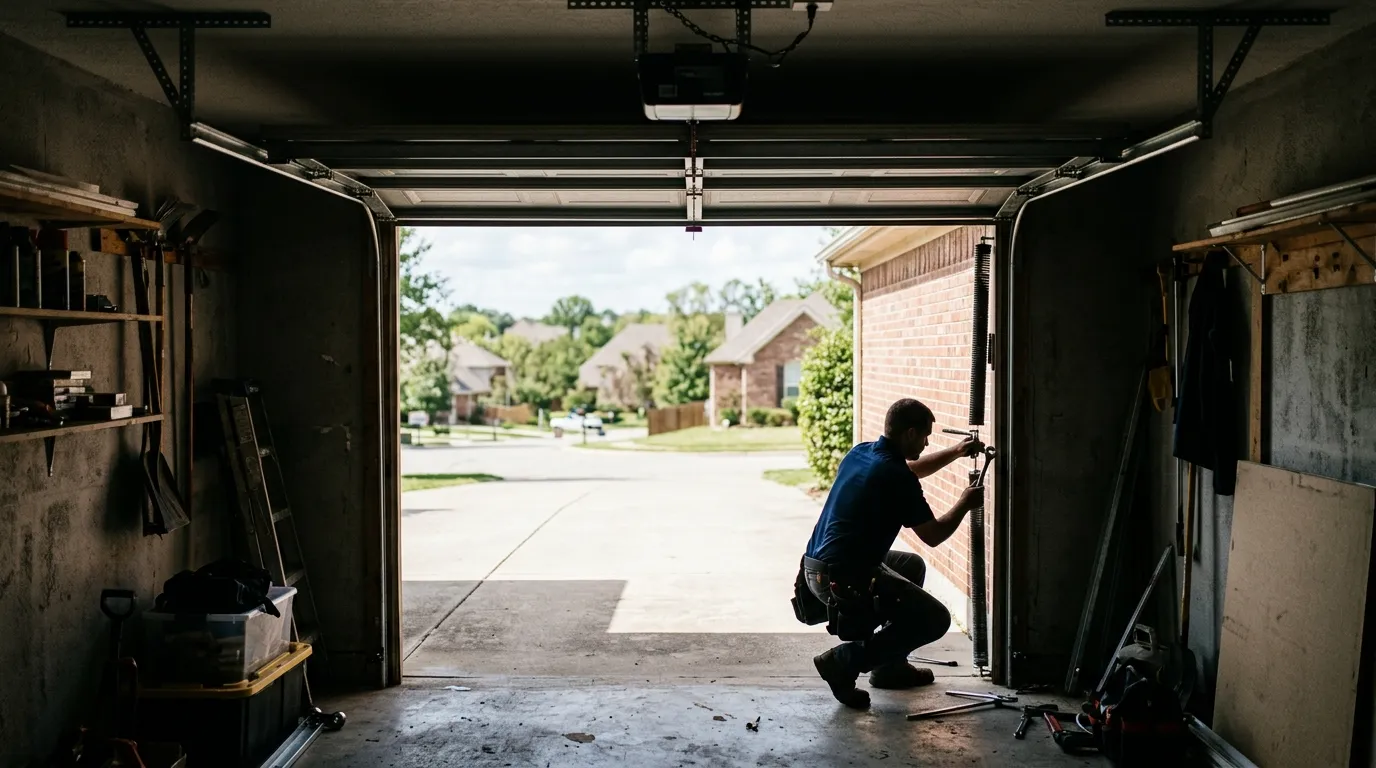
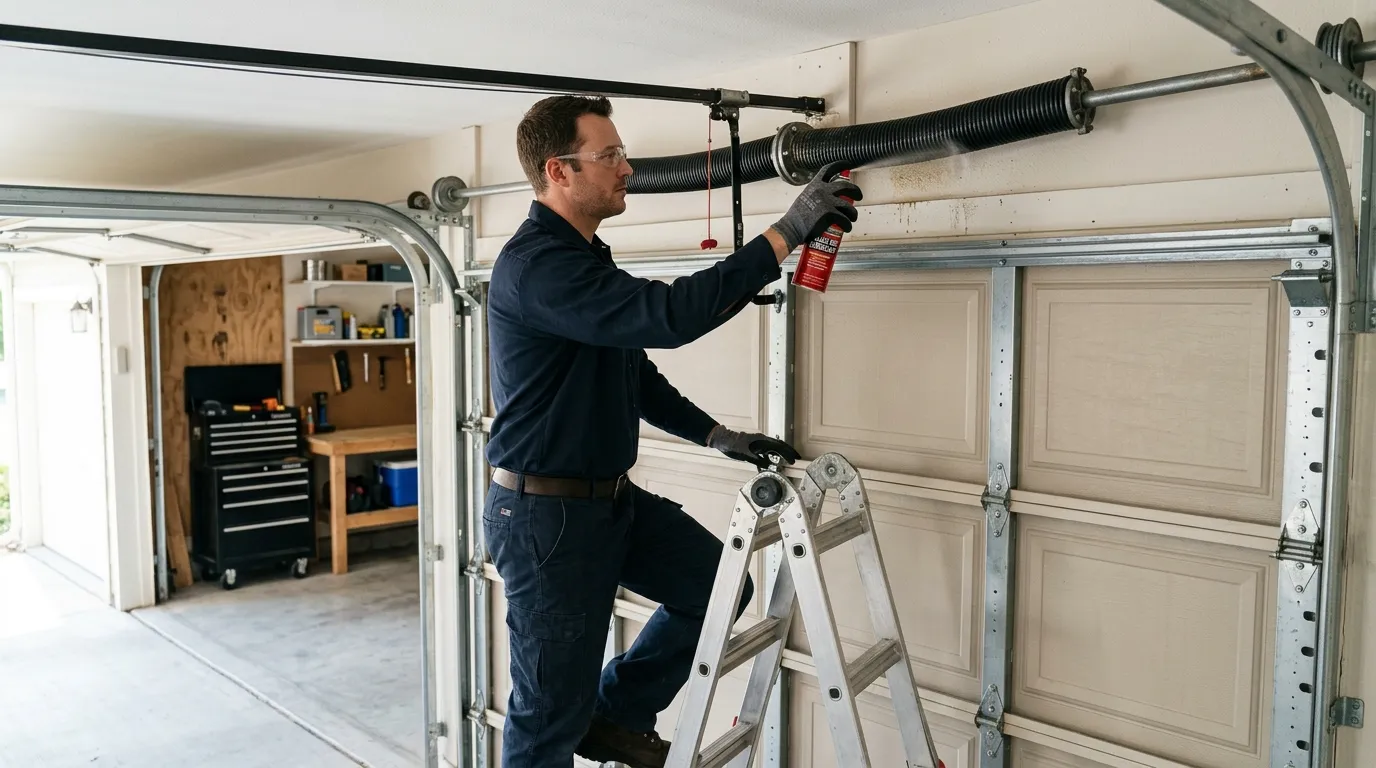
Where we'd push back hard is spring sizing and torsion bar work on an older frame. A door hung in 1974 with a spring rated for that door's original weight will not hold correctly on a heavier modern insulated panel, and getting that wrong is how people get hurt or crack a new door in its first month.
If you're set on doing the swap yourself, the honest answer is: buy the door, hire the spring and track work out. That split costs less than most people assume, and it keeps the one genuinely dangerous part of the job off your hands.
The Cost of This Job
At a median household income of $56,472, a full door replacement is a real decision here, not a casual upgrade - which is why we lead every quote with repair-versus-replace instead of just pricing the new door. If the existing door is structurally sound and the failure is a spring, a cable, or a bent track, repair is almost always the cheaper and faster path, and we'll say so even when it means a smaller invoice.
Replacement makes sense once the door itself is the problem: rusted-through steel, delaminating panels, a wood door that's warped past adjustment. On a house built around 1974, that's a door that's been through 50 winters and summers of this region's moderate heat swings, and at some point the panel material itself gives out no matter how good the hardware is.
We don't have a published price list to quote here, since job cost depends on door size, insulation level, and opener condition - but we'll walk through repair cost against replacement cost on the visit, in plain numbers, before any work starts.