Getting It Booked In
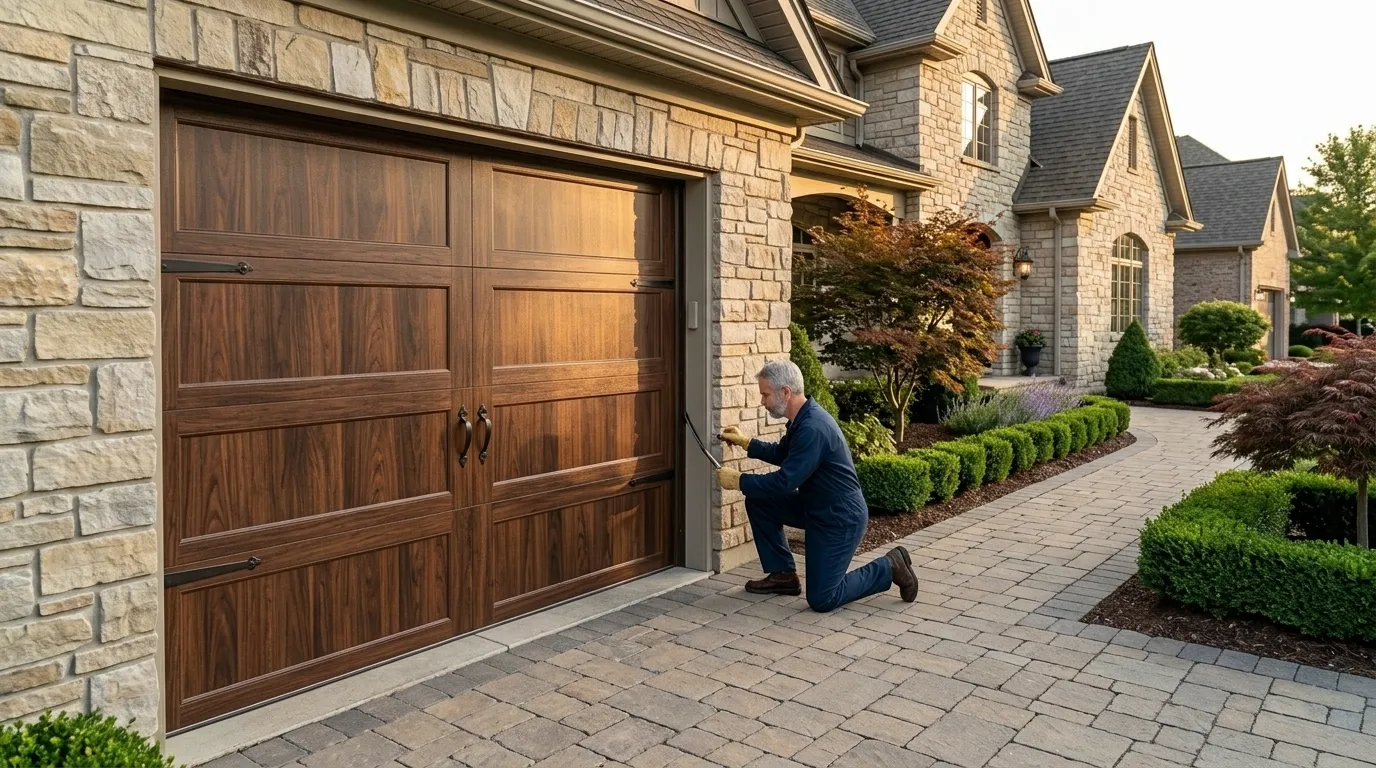
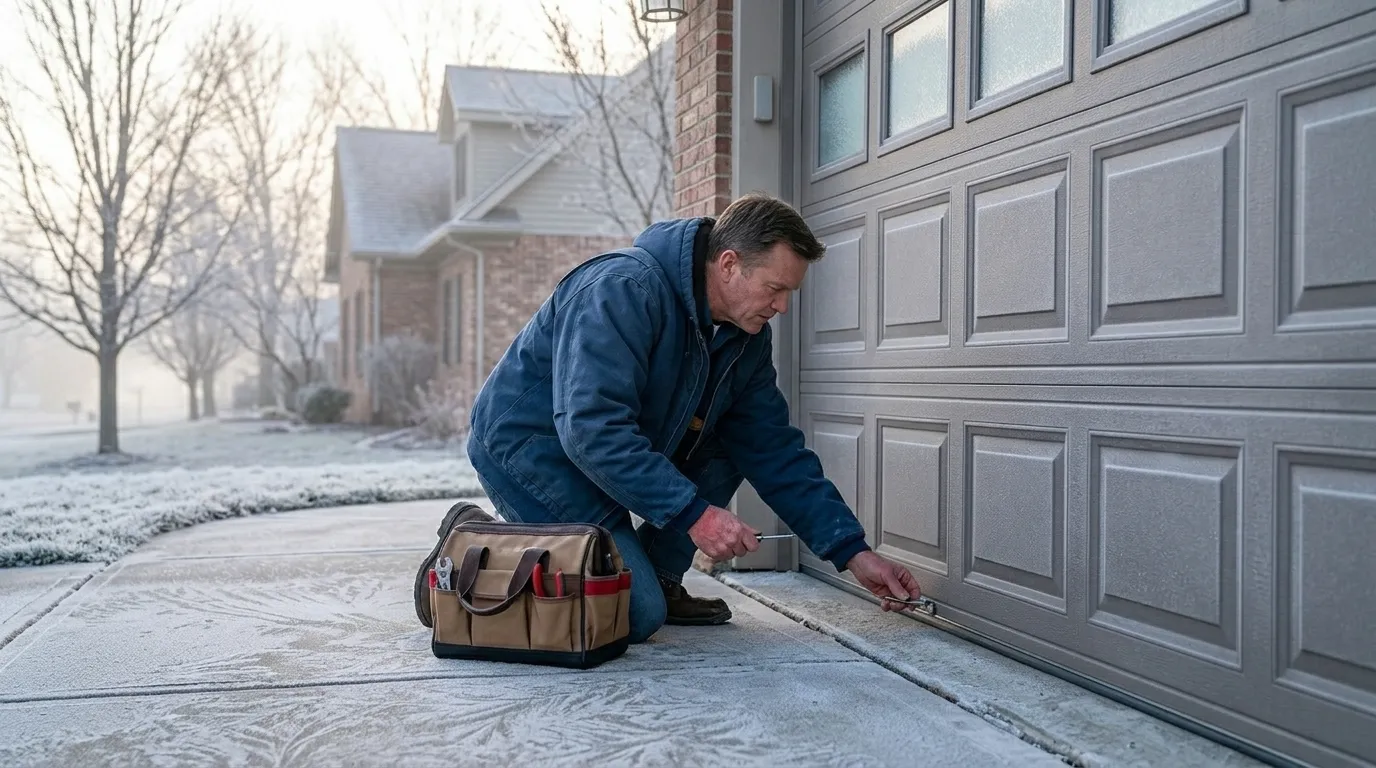
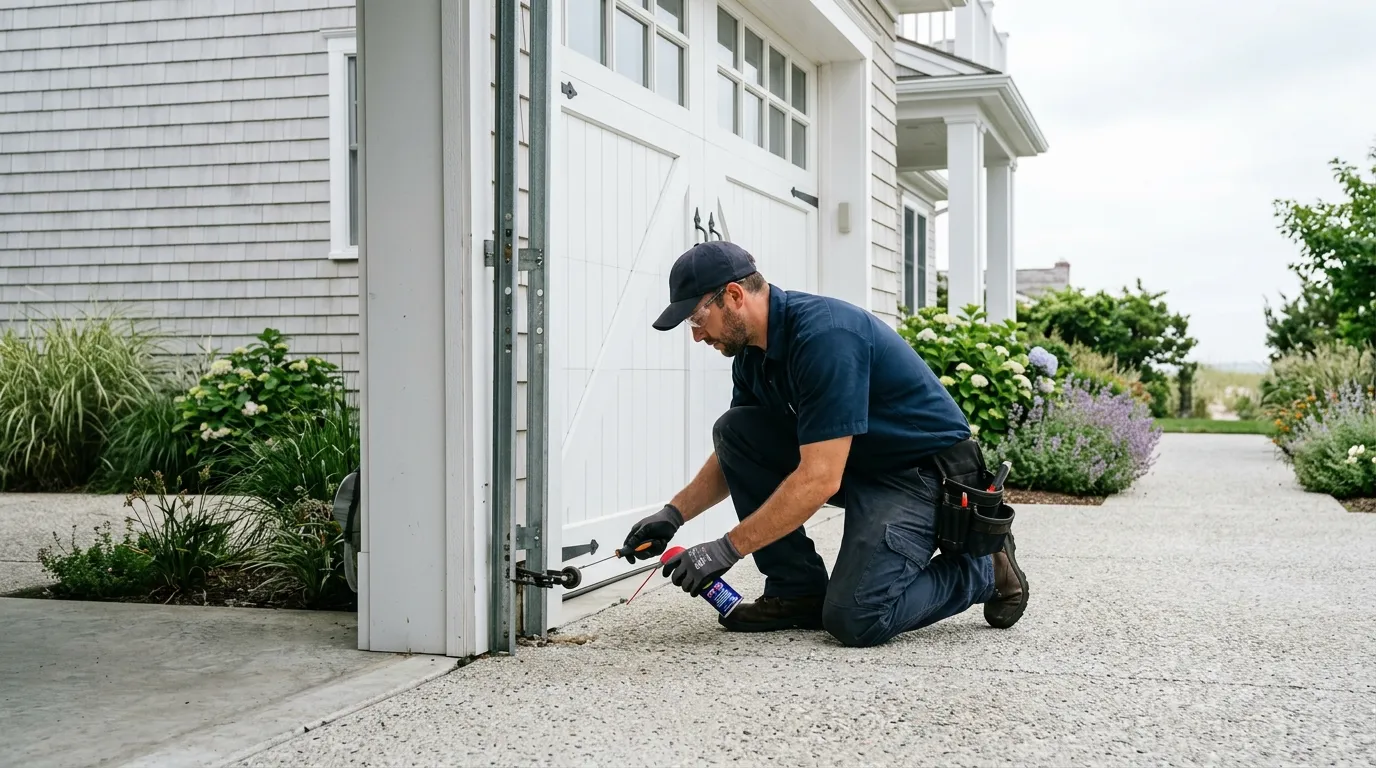
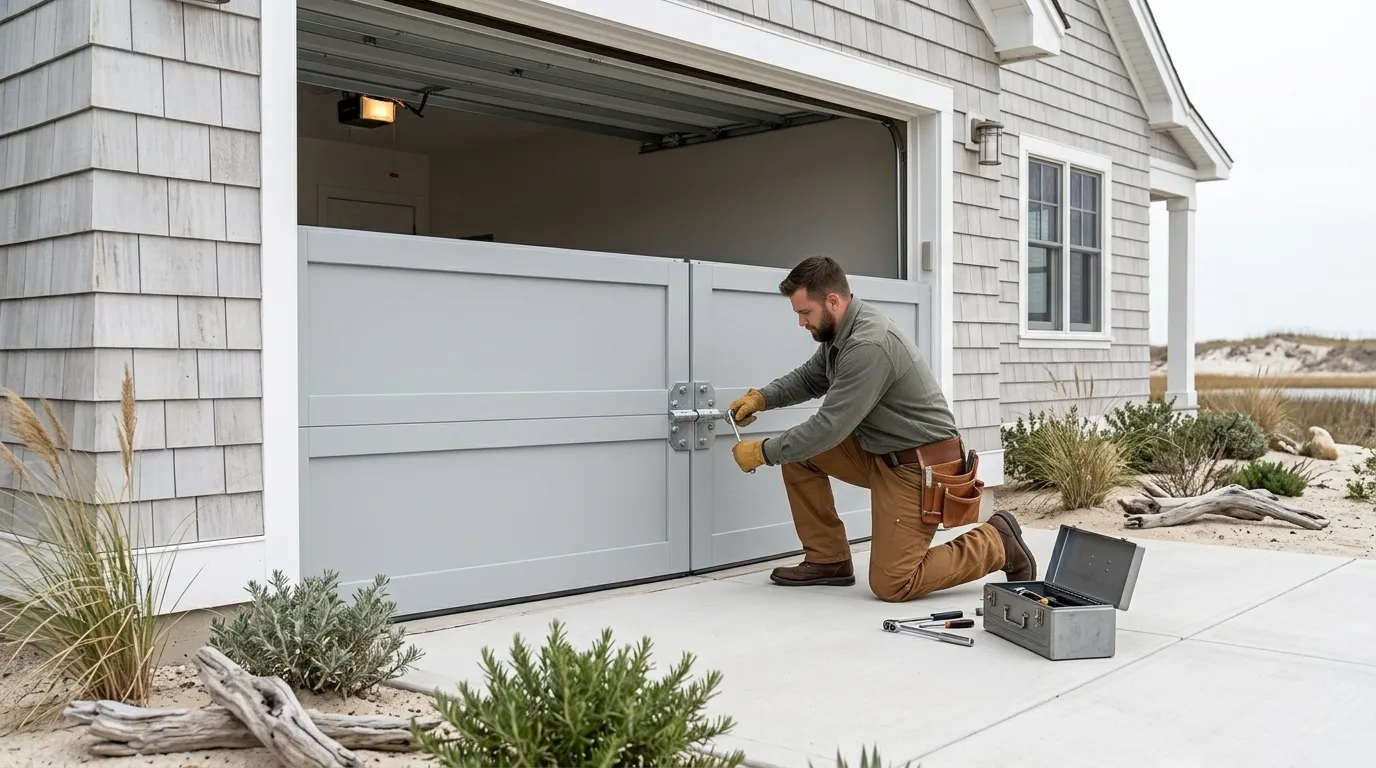
We run this job out of Weatherford, about 18 miles east, so White Settlement calls get scheduled rather than walked into same-morning. That's worth knowing up front: we're not based here, we travel here. What we bring with us matters more than how fast we show up, and for this town that means gear built for houses that are, on average, a decade or two older than the newer subdivisions elsewhere in our coverage area.
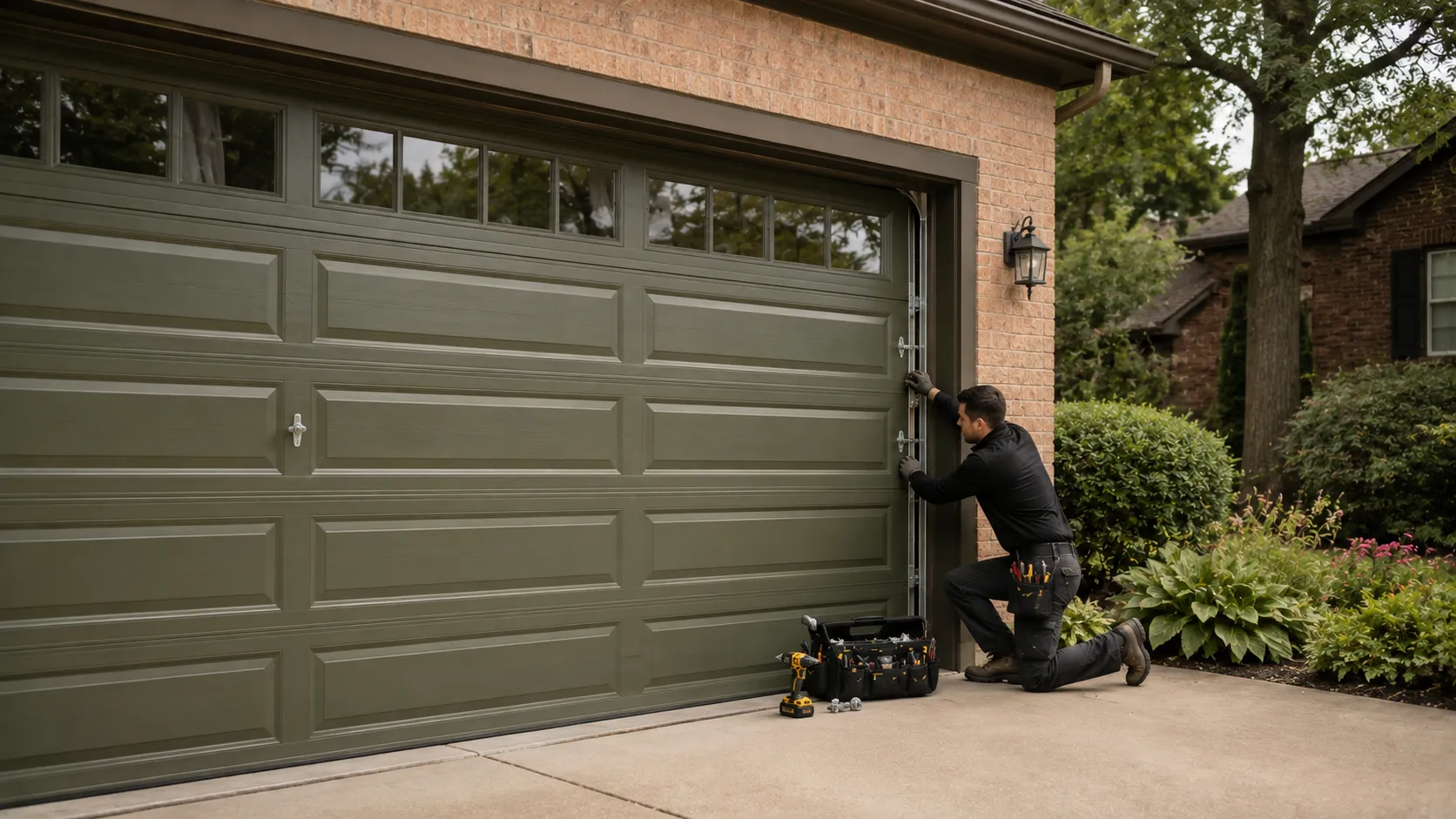
Most of the service area we work runs from houses built in 1966 up through 2010, with the median landing around 1990. White Settlement sits well below that median - its housing stock centers on 1974. That's not a small gap. A door and track system from the early '70s carries different bracket spacing, different header clearance, and often a lighter door than what a 1990s tract house was built around. When you call, tell us the approximate age of the house if you know it. It changes what we load on the truck.
We book the visit, confirm the opener type you want (belt, chain, or wall-mount jackshaft), and go from there. There's no local branch to swing by - everything comes from Weatherford, so lead time on an unusual bracket or rail length is the one thing that can push a job a day or two.
Stocked Parts
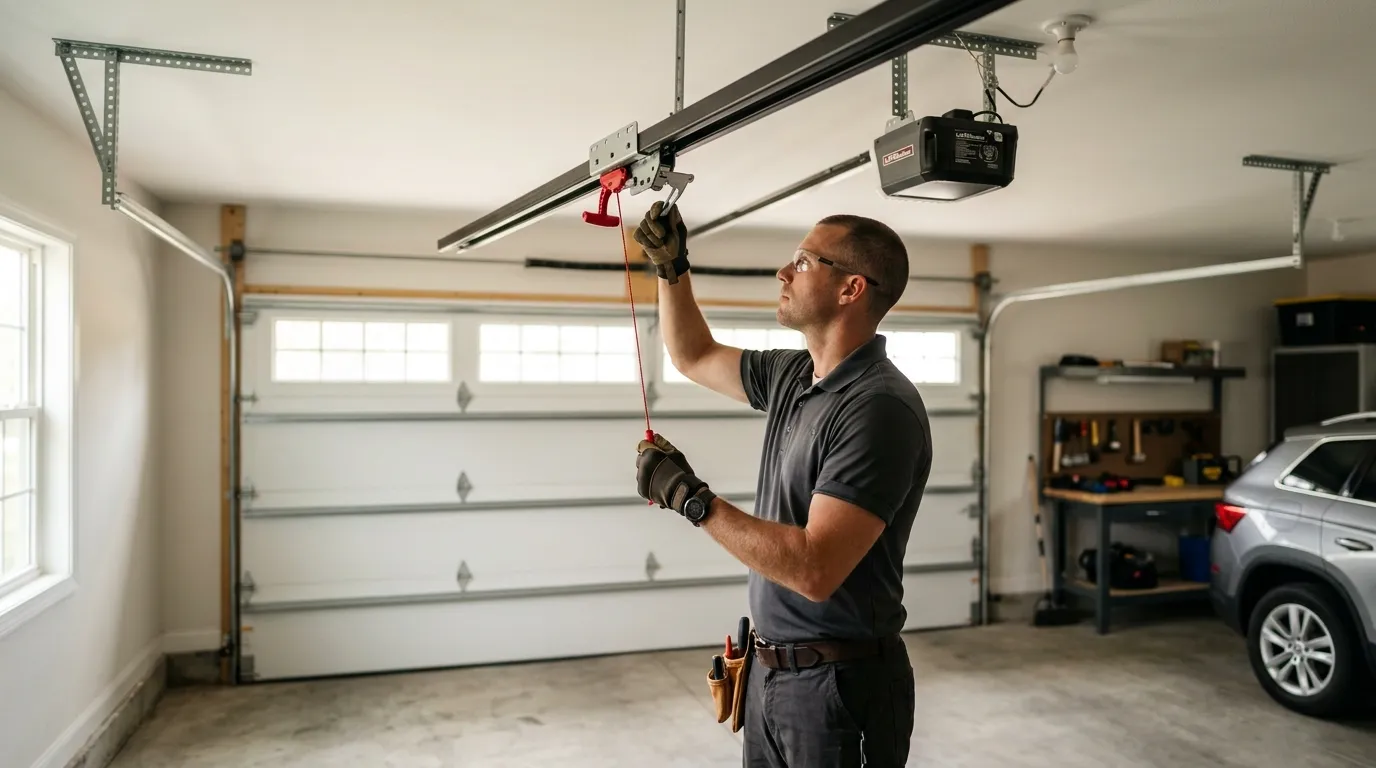
A 1974-era garage in White Settlement almost never has factory-original opener hardware left on it - chain-drive units from that era have mostly failed and been swapped once or twice already - but the door hardware around the opener mount is a different story. Header brackets, jamb brackets, and the top section of the track are often still the originals, sized for a lighter, narrower door than what gets sold today.
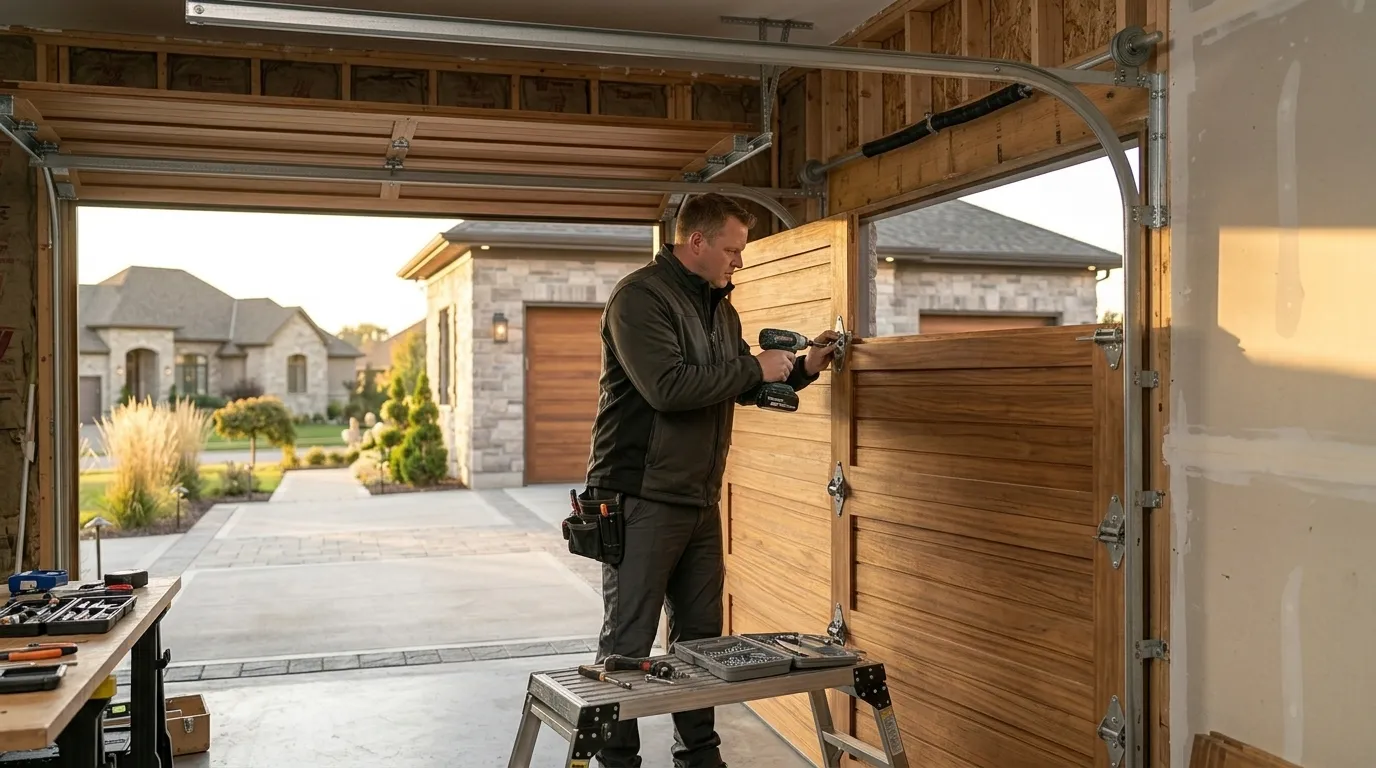
We carry standard rail extensions, reinforced header brackets, and both 1/2 HP and 3/4 HP belt-drive units on the truck for exactly this reason - older openings sometimes need the header reinforced before a new opener can be hung safely, and we'd rather have the bracket with us than discover we don't on site.
What we don't stock is anything obsolete enough to require a special order - a wall-console model that was discontinued years ago, for instance. If your existing unit uses a proprietary remote system tied to a defunct brand, we'll tell you that on the visit rather than promise a same-day fix we can't deliver.
The DIY Question
A straightforward opener swap on a door in good shape is within reach for a homeowner comfortable on a ladder with a drill - the kits come with decent instructions. Where people get hurt or damage the house is the header bracket step: if the mounting surface isn't solid, a DIY install can pull loose under load months later, sometimes taking a chunk of drywall or trim with it.
On a house from 1974, that's the step I'd tell you to skip doing yourself, or at minimum to check carefully before you commit the new unit to that bracket. If you've already got a newer header from a past door replacement, go ahead - it's a fair weekend project. If you're not sure how old that lumber is, that's the one honest reason to have someone look at it first.
The Cost of This Job
We don't have a set price to quote here without seeing the door and the header condition - a straightforward swap costs less than a swap that also needs header reinforcement, and we won't guess at that difference over the phone. What we can tell you is that White Settlement's median household income sits at $56,472, noticeably below the roughly $85,625 median across our wider coverage area. That's not a sales pitch, it's context: we size the opener recommendation to the job, not to what a newer subdivision two towns over might spec. A 1/2 HP belt drive covers most single doors here just fine; we don't push the heavier unit unless the door actually needs it.