Getting It Booked In
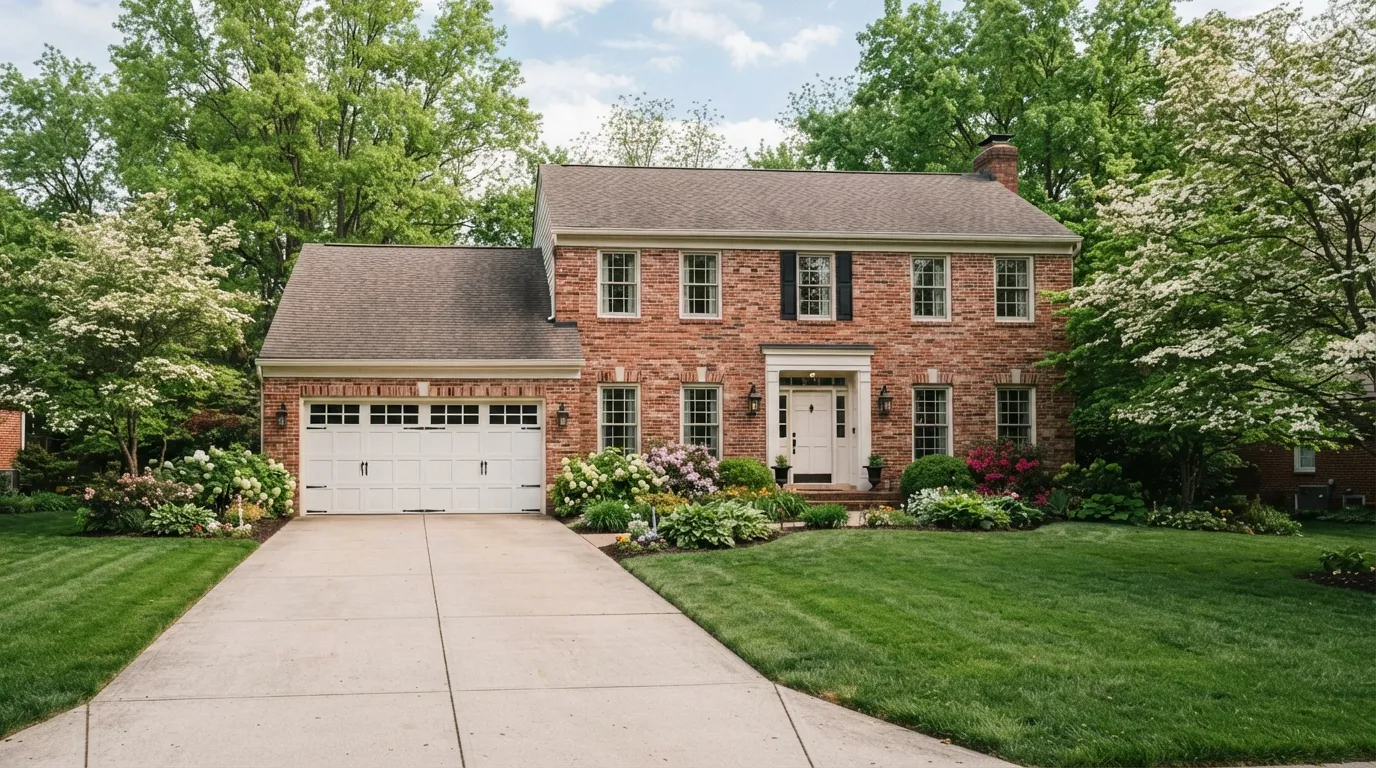
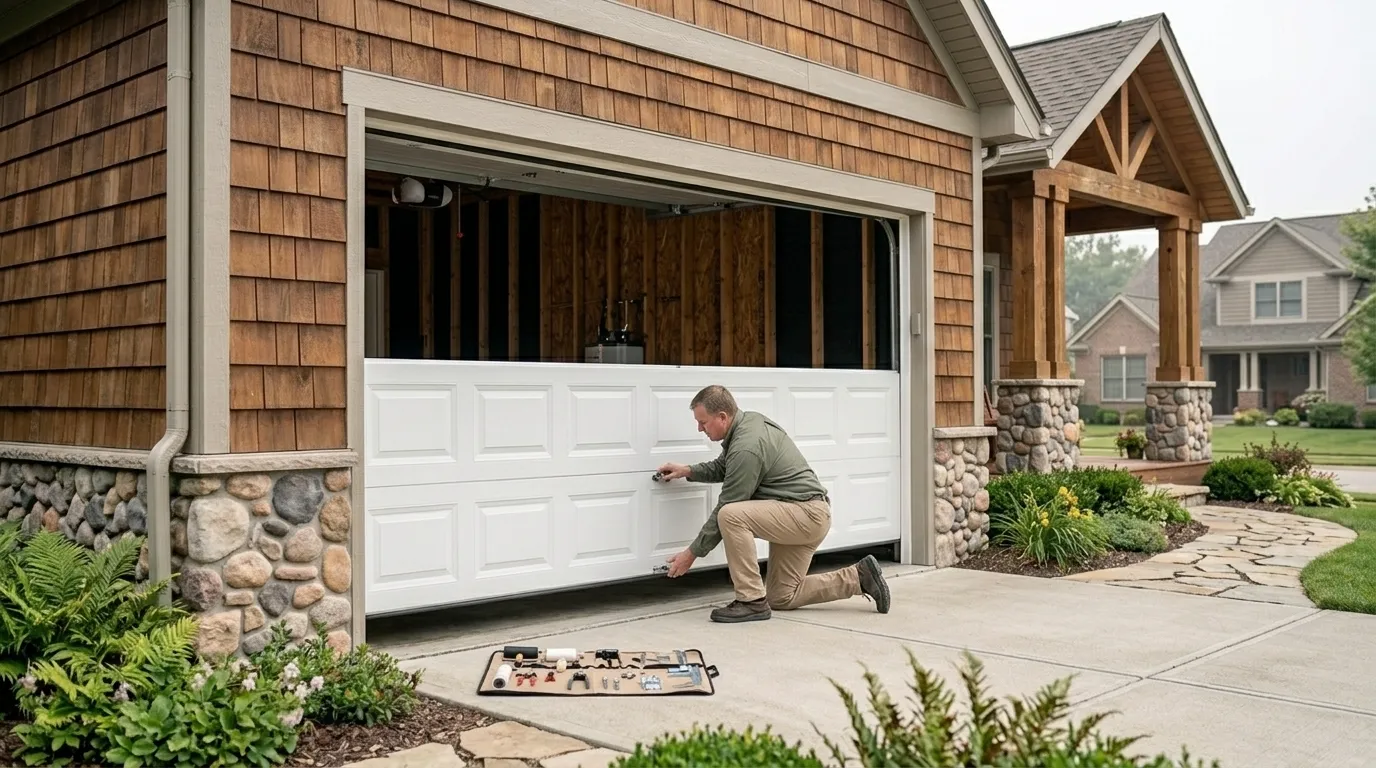
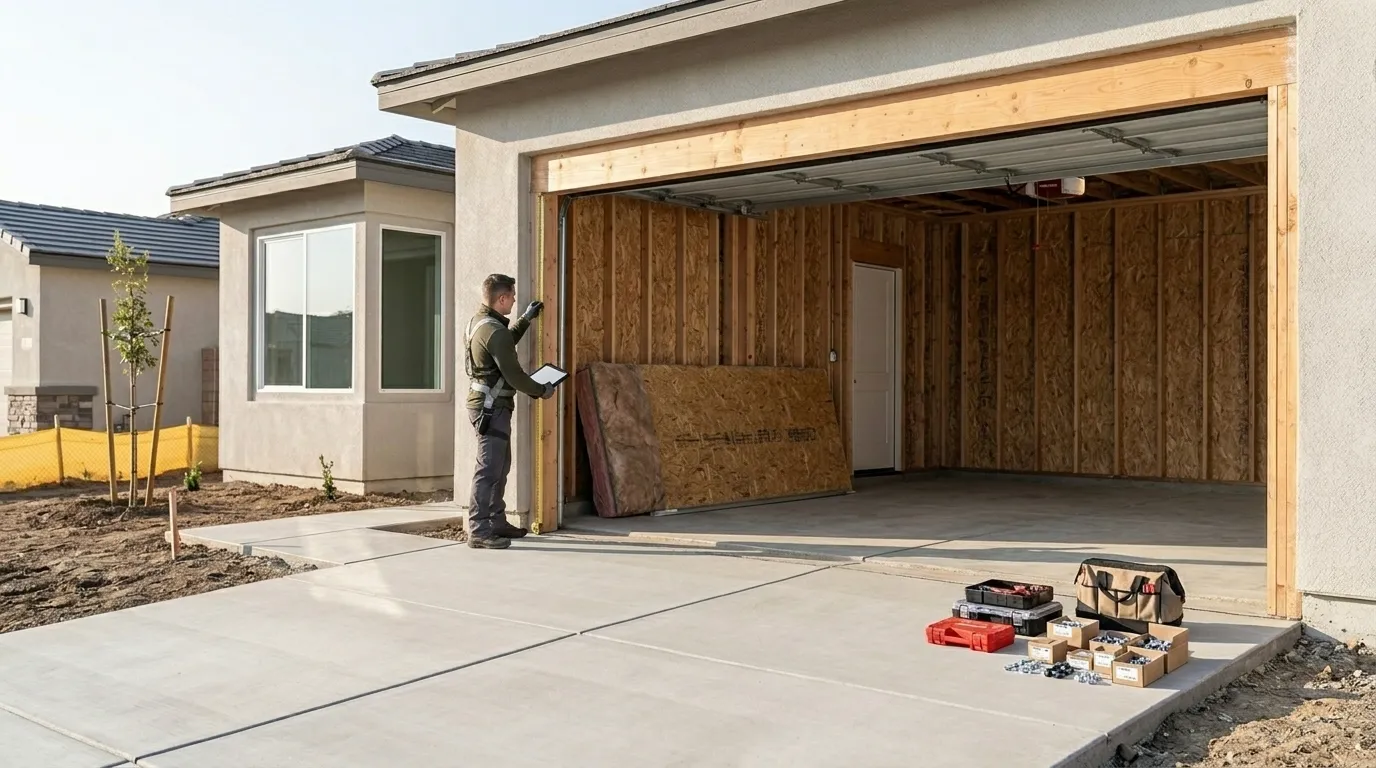
White Settlement's houses mostly went up around 1974, which puts a lot of these garages a full generation ahead of the torsion-spring era that took over new construction later. We come out from Weatherford, about 18 miles east, so a spring call here isn't a same-block job - it's a truck we send on purpose, and we book it as one stop rather than working you in between closer jobs. Tell us on the phone what the door is doing: won't budge, slams down, one side hangs lower than the other. That tells us whether we're dealing with a snapped spring or something else wearing the same symptoms, and it lets us load the right spring size before we leave the shop instead of guessing at your driveway.
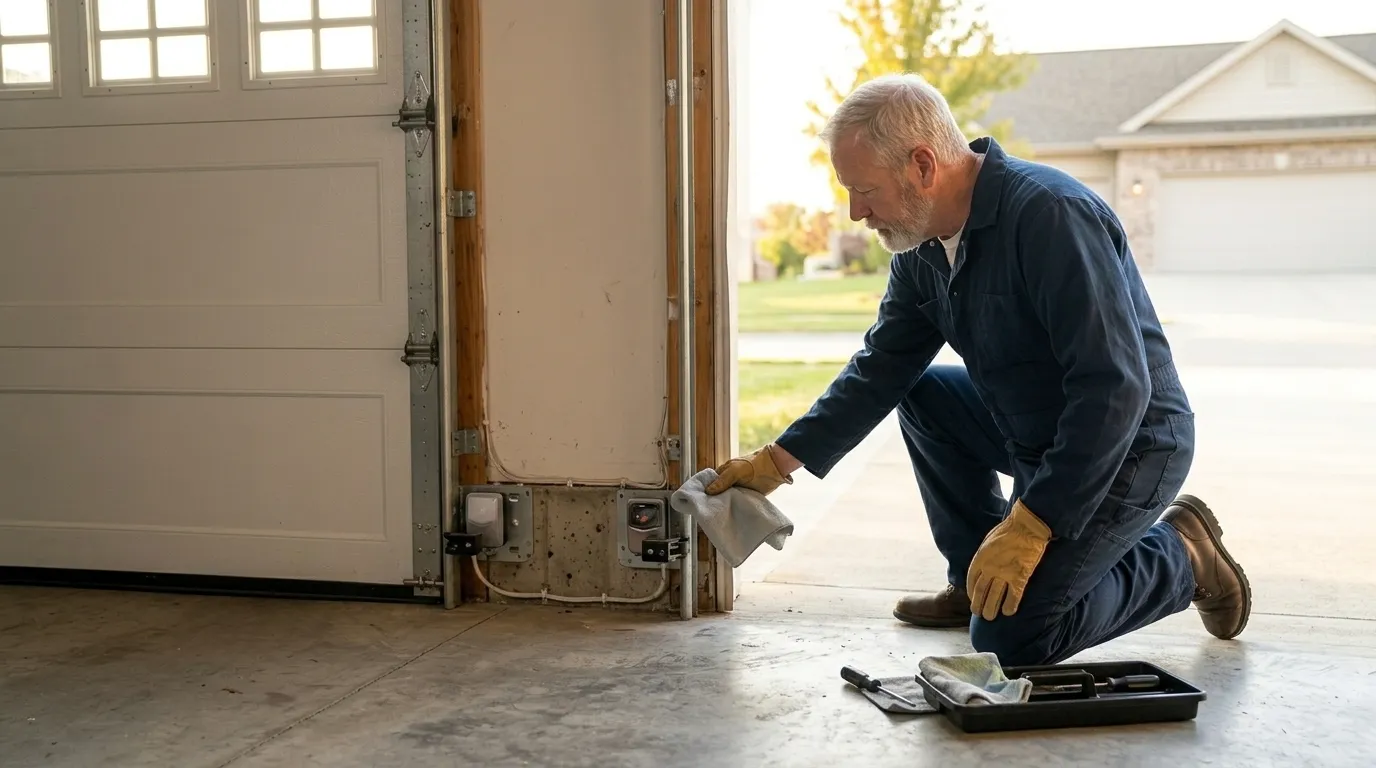
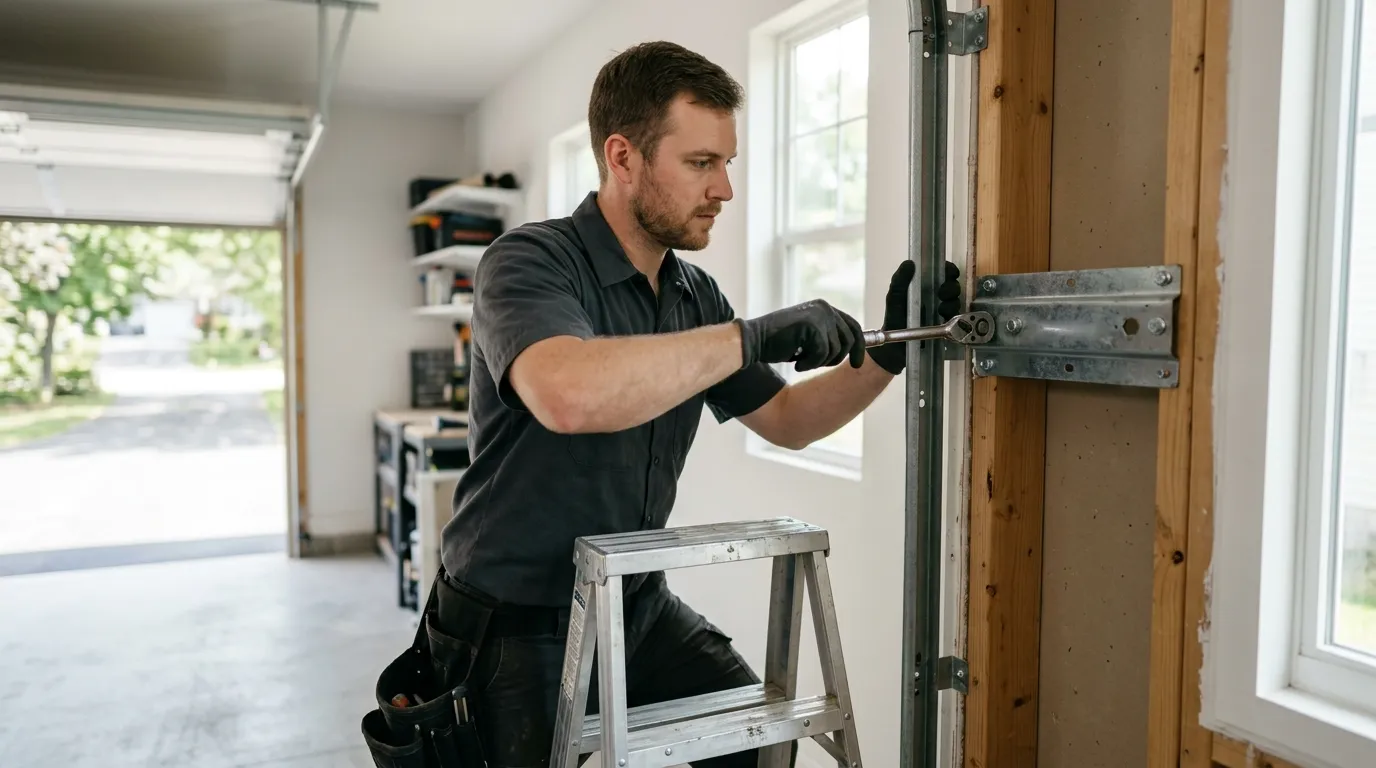
Because we're driving in rather than based here, we ask you to be around when we arrive rather than leaving a door unattended mid-repair. If the spring failed on a door that's original to a 1974 build, there's a decent chance the drum, the cable, or the mounting bracket is worn enough to need attention too - we'll tell you straight if that's the case rather than bolt a new spring onto tired hardware and call it done.
Stocked Parts
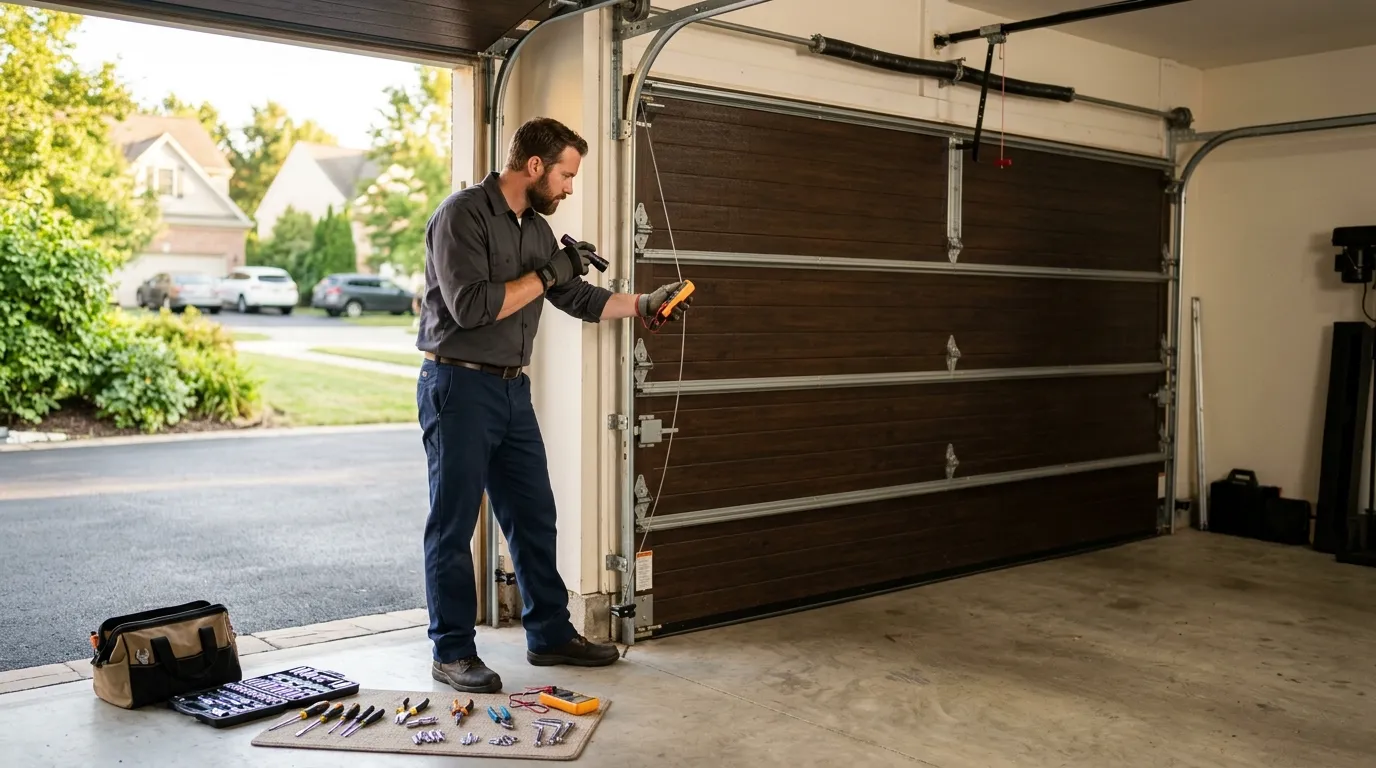
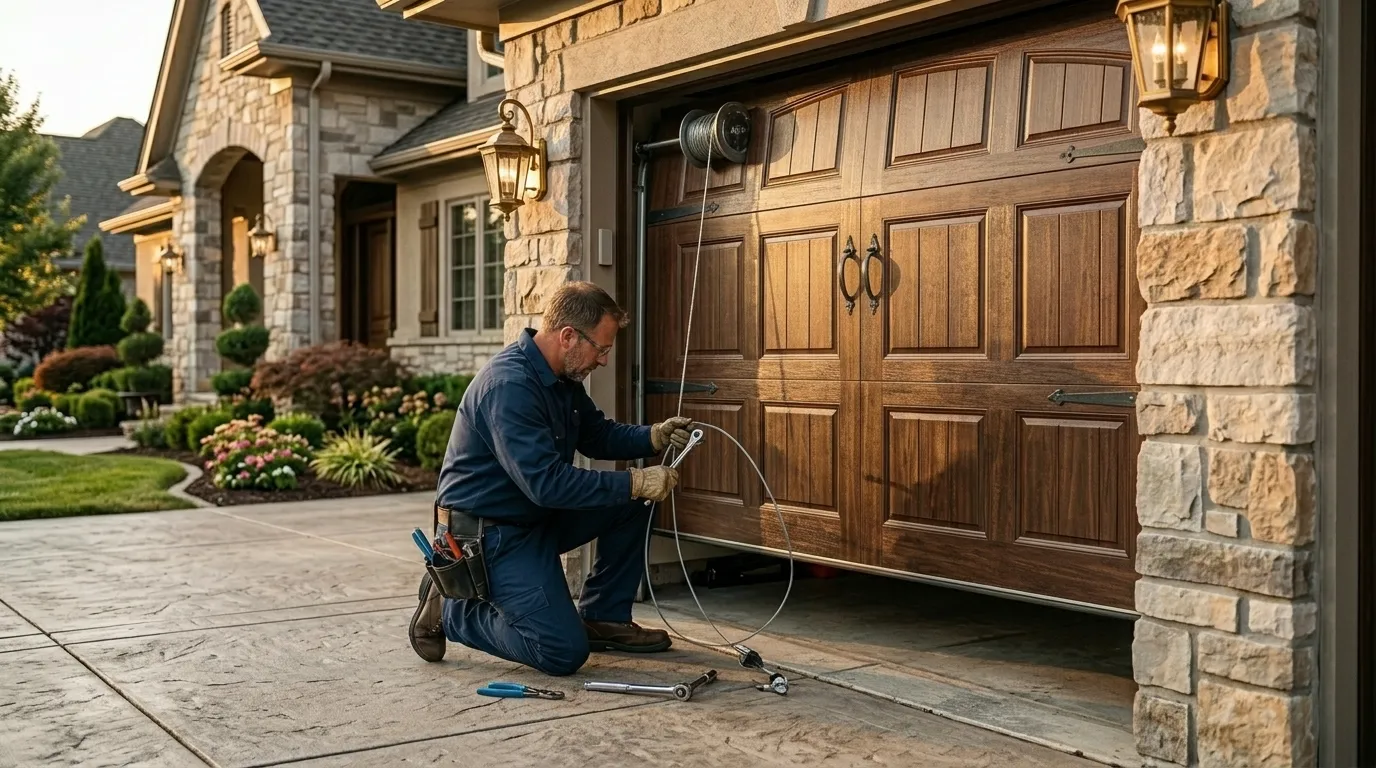
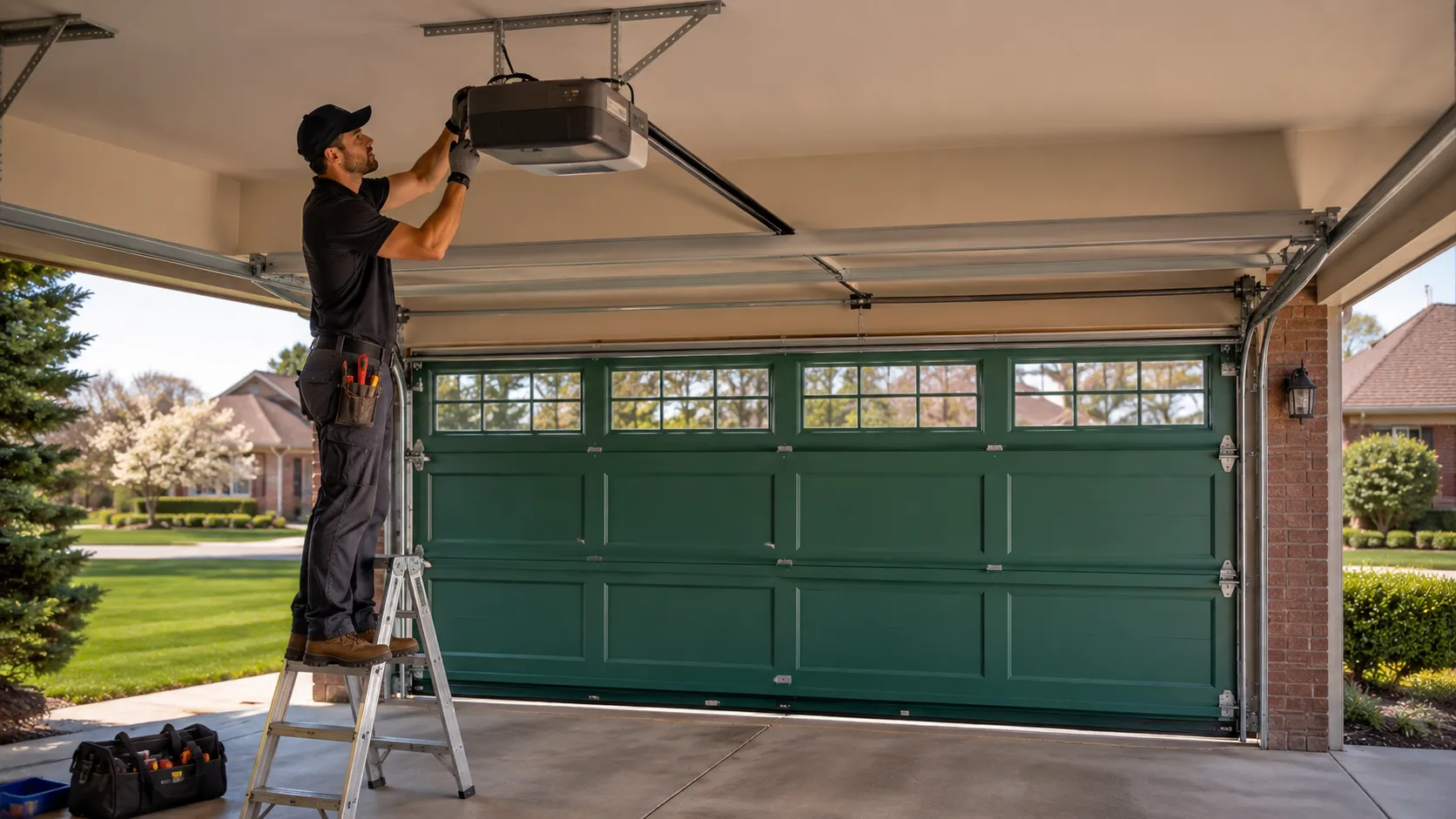
A house built in the early-to-mid '70s in this area was almost never built with torsion spring hardware overhead - that came standard much later, closer to the 1990s stock you see in the newer pockets of the wider service area. What you're more likely to have on a door this age is a pair of extension springs running along the horizontal tracks, sometimes with the old sectional-door safety cables retrofitted in later, sometimes not. We carry standard-length extension springs and the common torsion sizes both, because by now plenty of these original doors have been swapped for replacements with torsion setups, and we don't know which one's behind your door until we're looking at it.
What we don't stock is anything oddball - a specialty spring for a discontinued door brand, or a size that was only made for a handful of years. If your door turns out to need one of those, we'll tell you it's a special-order part rather than pretend we have it on the truck, and we'll give you a straight timeline instead of a guess.
The DIY Question
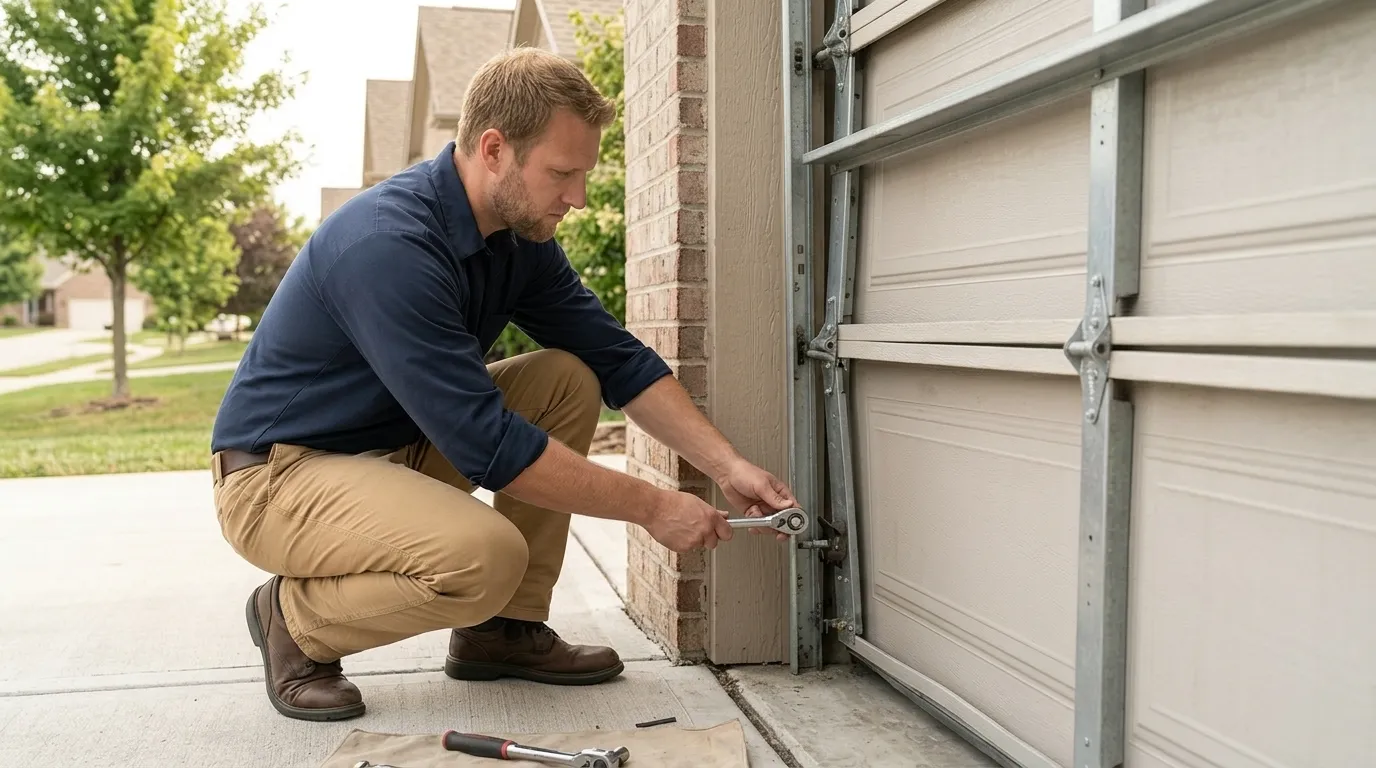
Extension springs carry less stored force than torsion springs and some homeowners do swap them out themselves - but even those are under real tension, and a slipped bar or a cable that lets go under load has put people in the hospital. Torsion springs are worse: they're wound to a tension that can break a wrist or a finger if the winding cone slips, and the tools to do it safely aren't the ones sitting in most garages.
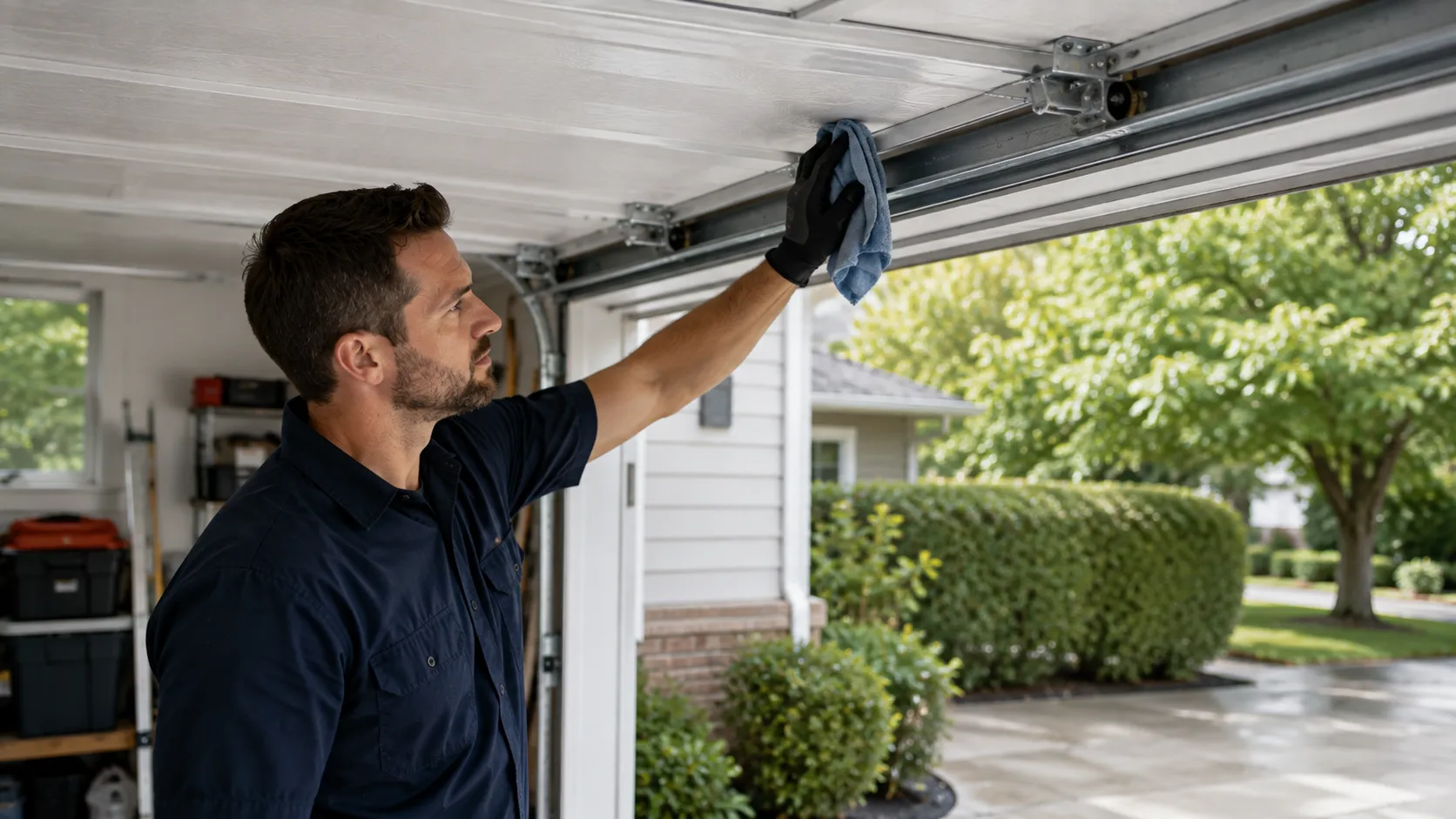
We're not going to tell you it can't be done. We're going to tell you it's the one repair on a garage door where the margin for a mistake is a trip to the ER, not a re-do. If you want to replace the bracket bolts, lubricate the rollers, or tighten the track yourself, that's reasonable work for most owners. The spring itself isn't.
The Cost of This Job
We don't have a published price to hand you here - every job depends on whether you've got extension or torsion, single or double door, and how much else has worn out around it. What we can tell you is how the numbers around here shape the decision: household income in White Settlement runs lower than the wider service area average, and we quote the repair itself before touching anything else, so you're not paying to fix parts that don't need it. If the drum or the bracket is shot along with the spring, we'll price that separately and explain why, rather than bundling it into one number you can't break down.