What Causes It Around Here
Start with the number that actually changes the conversation: median household income in Hudson Oaks runs $138,500, well above the $85,625 median across the wider service area. That matters because it moves where the repair-or-replace line sits. On a $138,500-income household, a $600 spring-and-hardware repair on a five-year-old opener is an easy yes. The same repair on a door that's already 20 years past its opener's expected service life is a harder sell, and in Hudson Oaks that older-door scenario is less common than it is elsewhere in the coverage area.
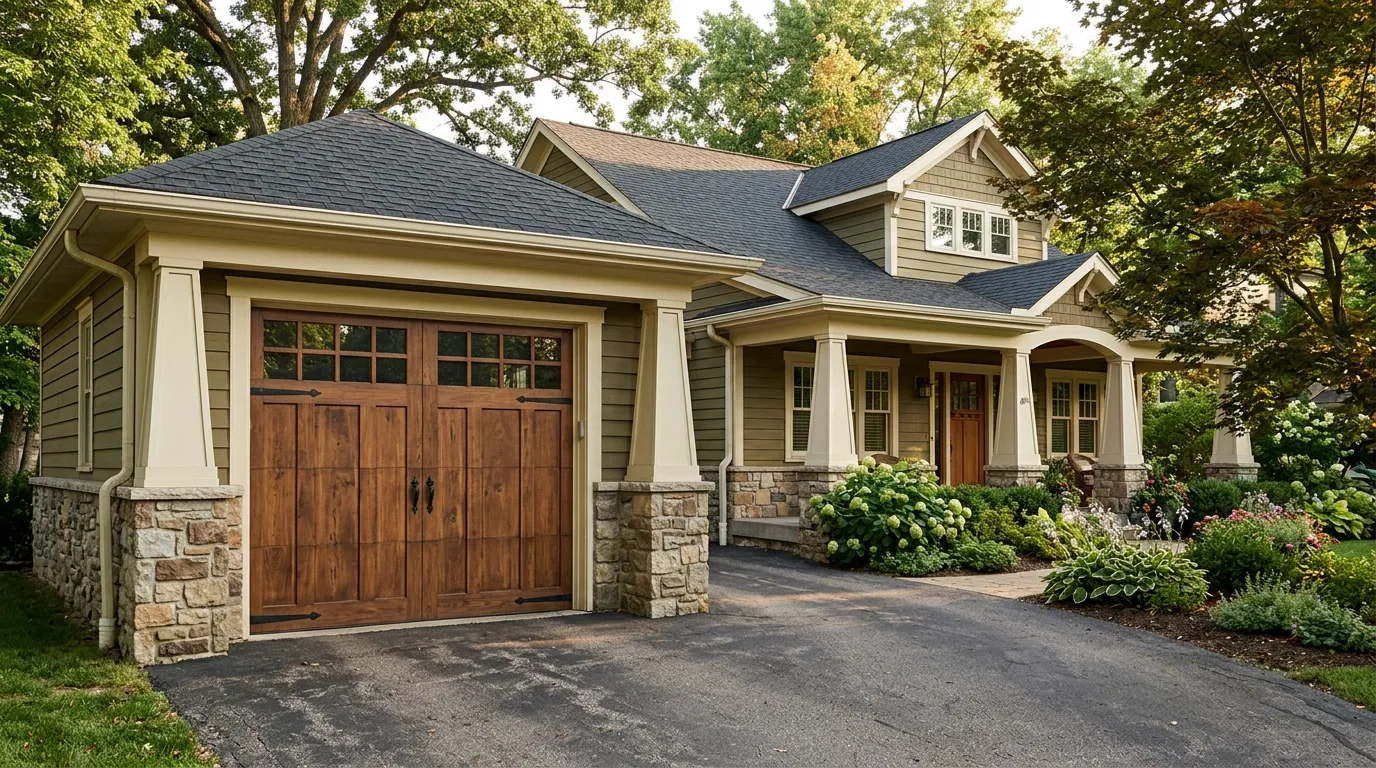
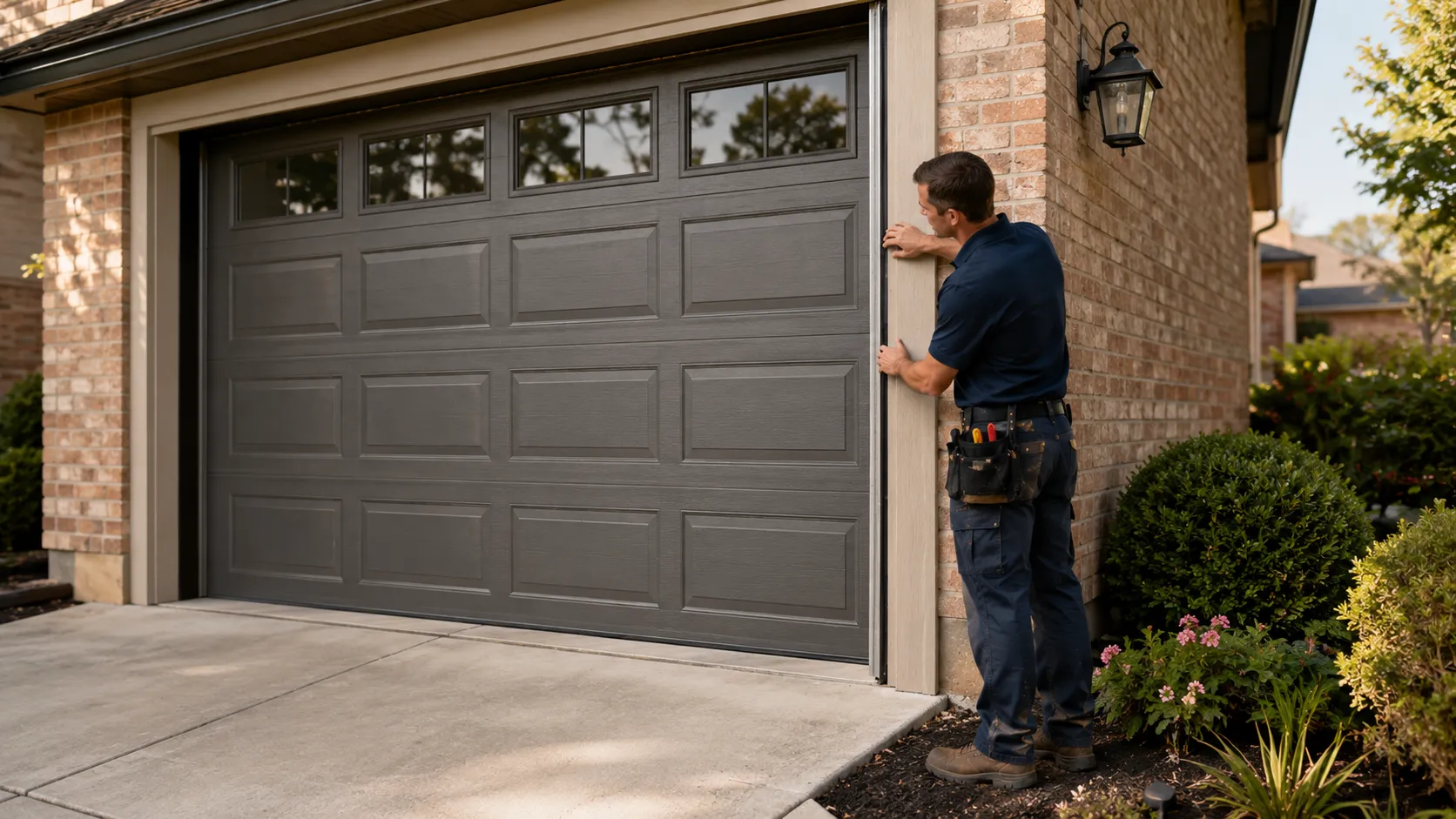
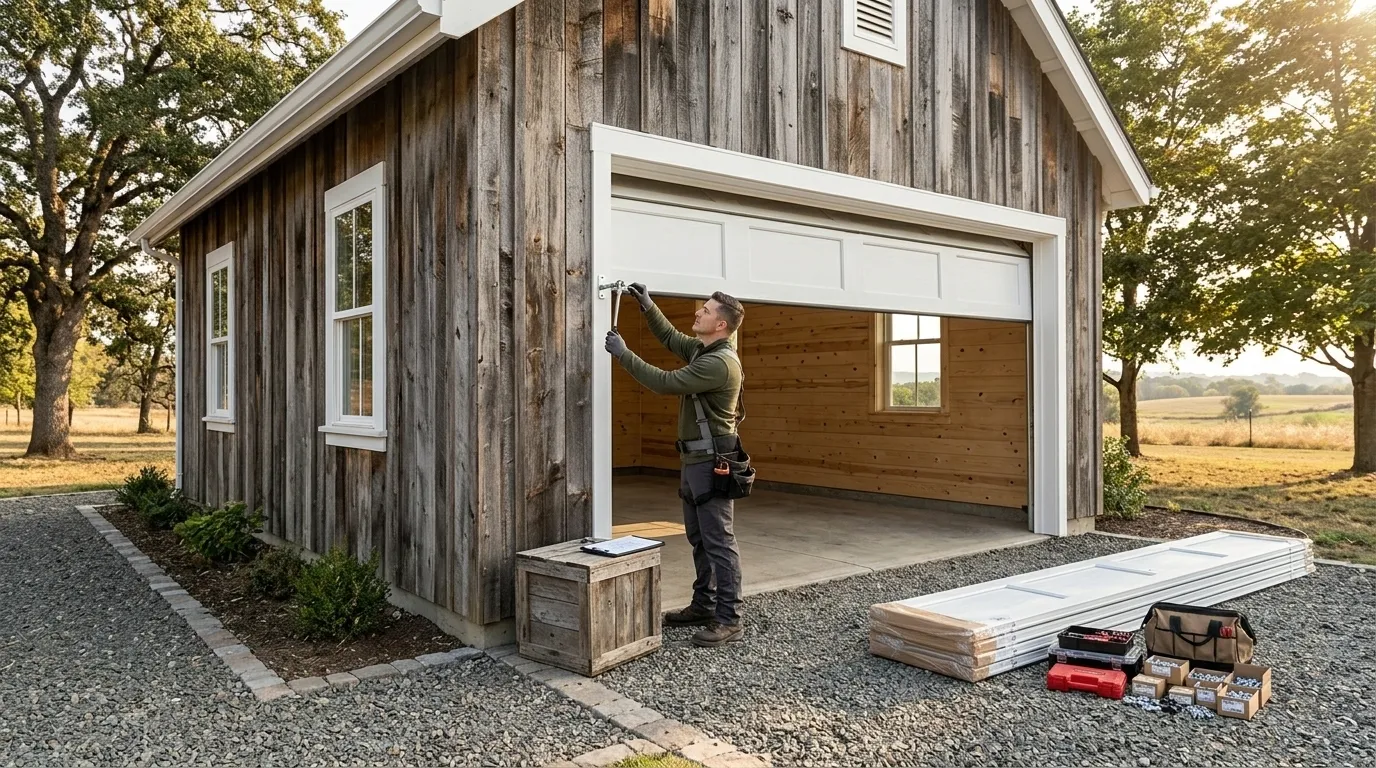
Most houses here went up around 2002, noticeably newer than the 1966-2010 spread (median 1990) you see across the 13 named areas this company covers. That later build date means Hudson Oaks doors are more likely to be factory steel sectional doors on standard torsion springs and mid-2000s chain or belt-drive openers, not the older extension-spring, one-piece doors that show up in the pre-1990 stock elsewhere. The failures we see here run more toward worn nylon rollers, opener circuit boards aging out, and torsion springs finally giving up after a decade or more of daily cycles - not the obsolete hardware problems that come with a much older house.
What the Repair Takes
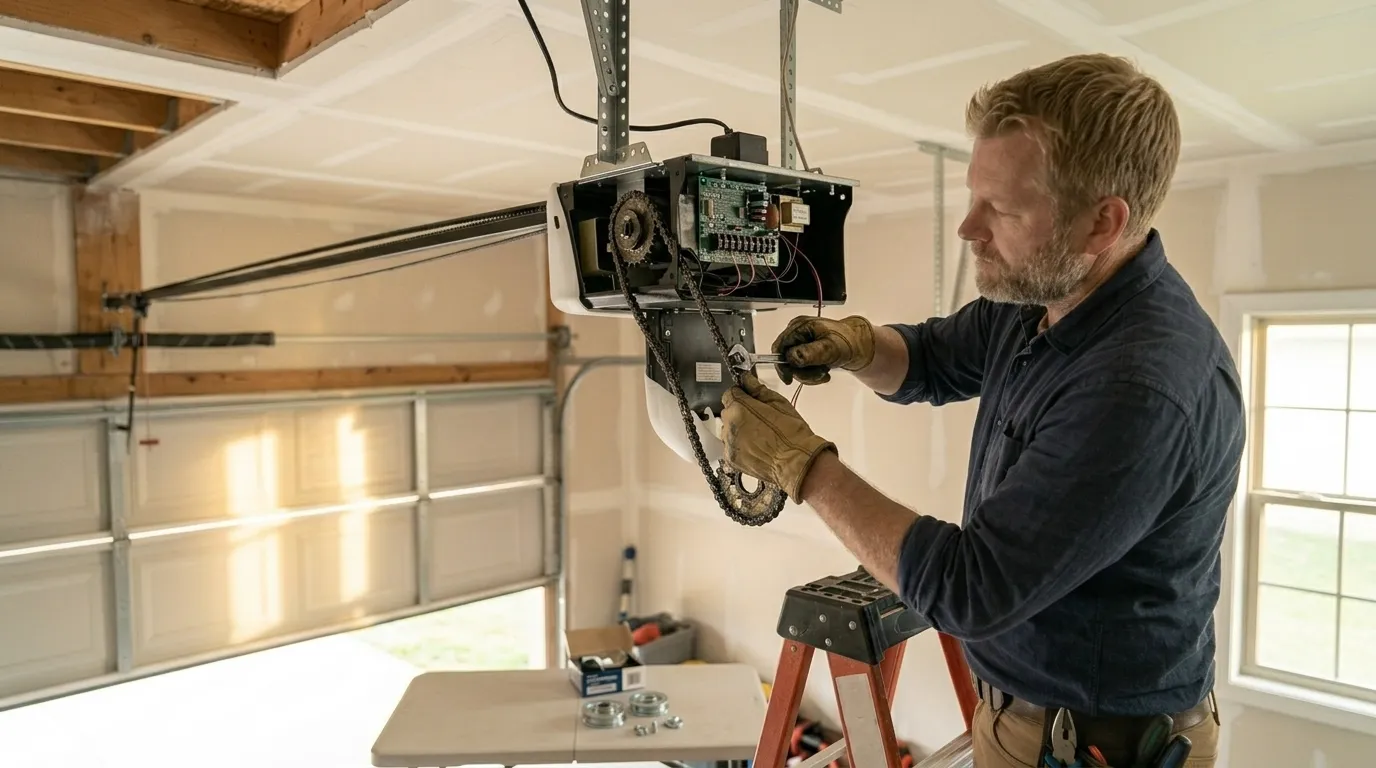
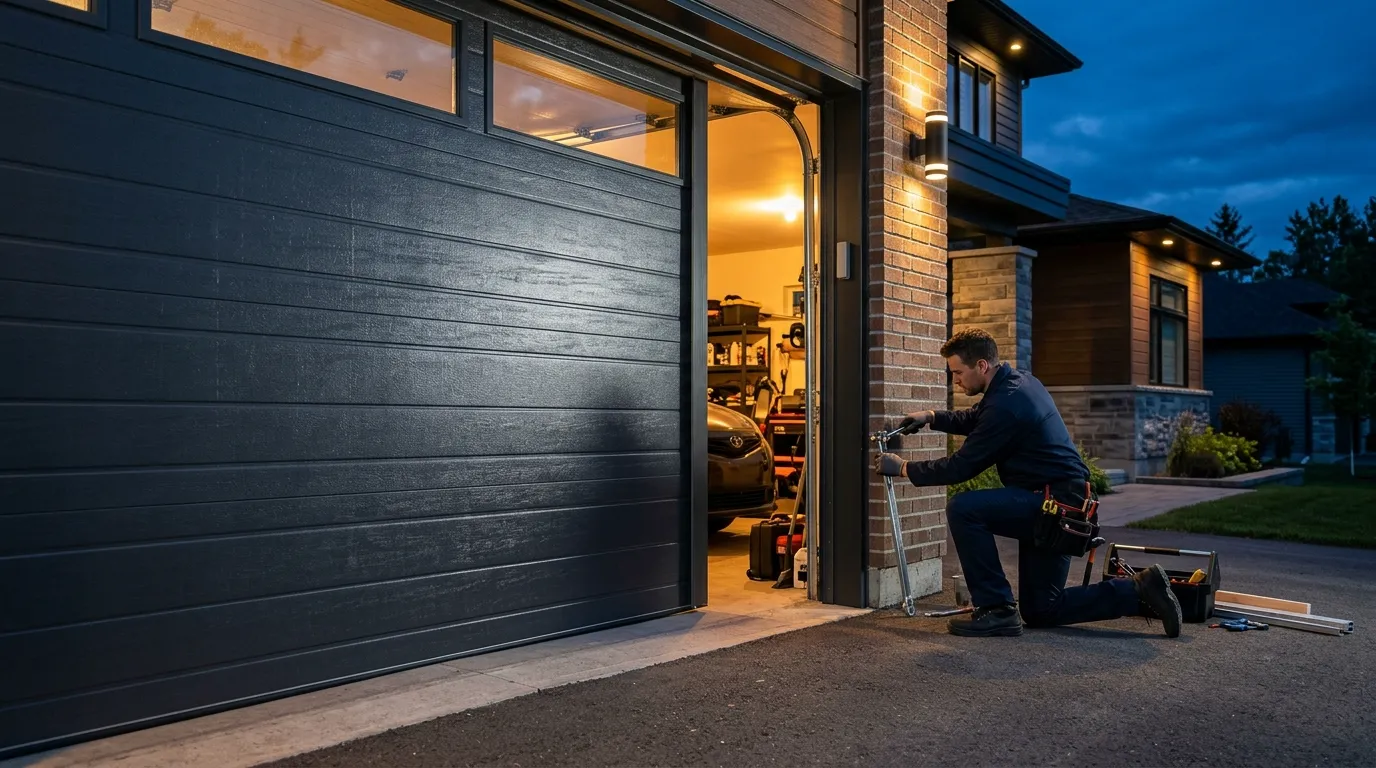
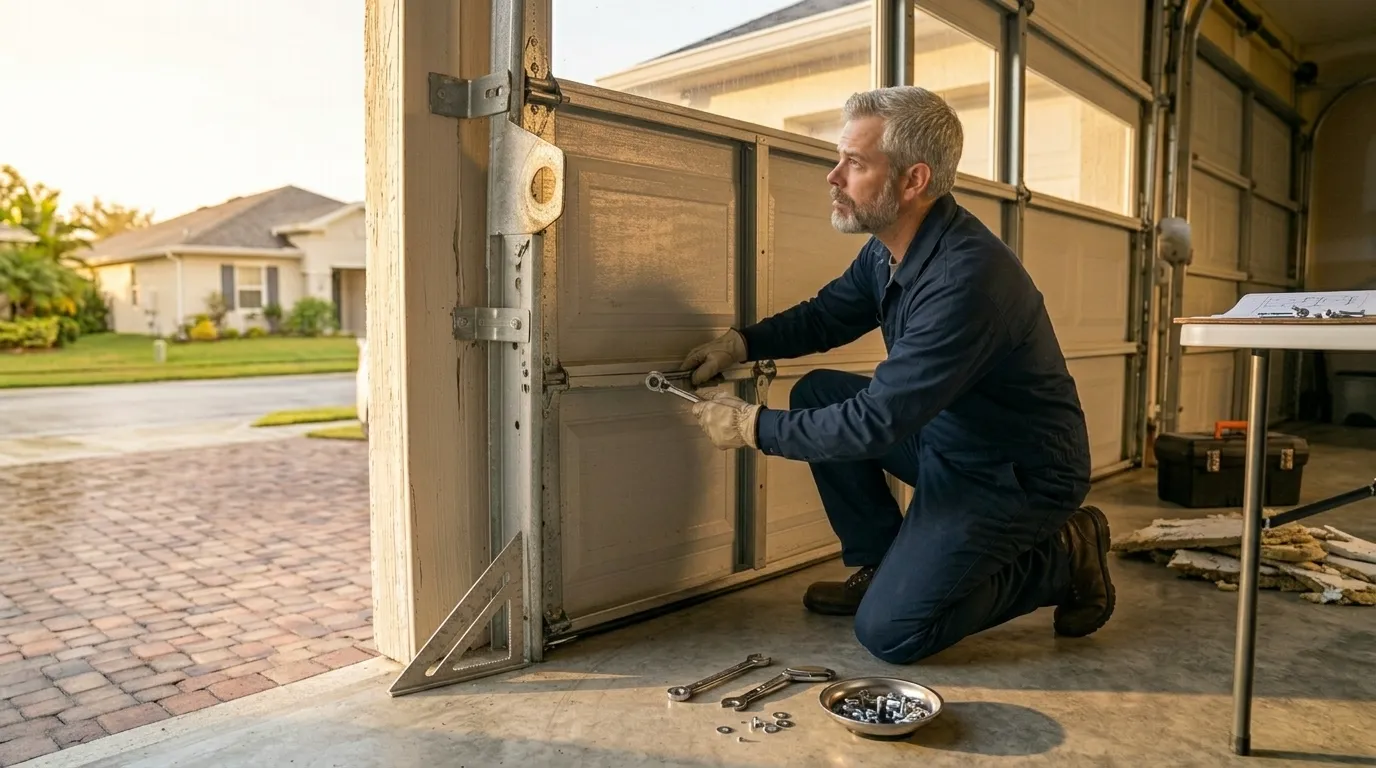
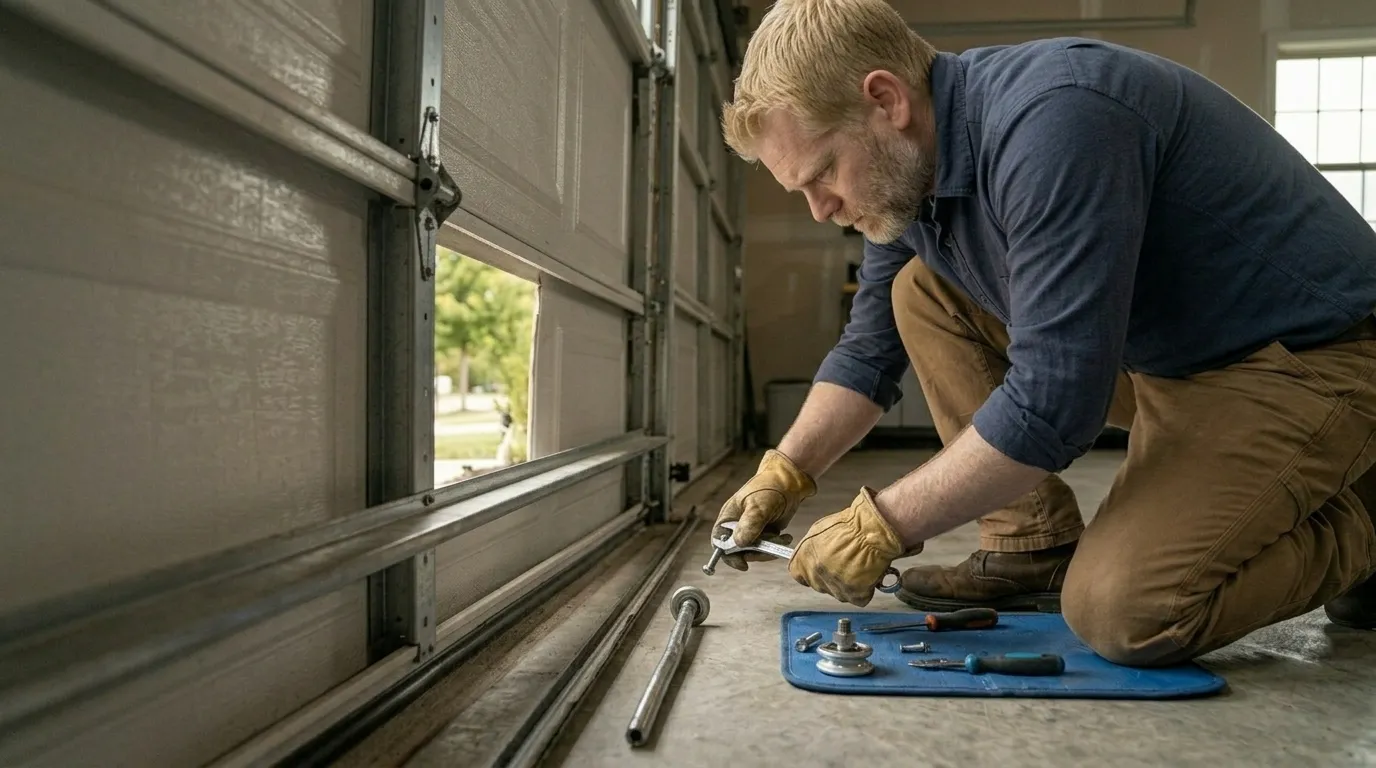
A torsion spring swap on a standard double door is a bolt-on job with parts we carry on the truck from Weatherford, four miles away. Opener boards from the early-to-mid 2000s are a different story - some of those models are discontinued, and if a board isn't stocked, that's a real lead time we won't pretend around. We'll tell you straight if a part has to be special-ordered rather than promise a same-visit fix we can't back up.
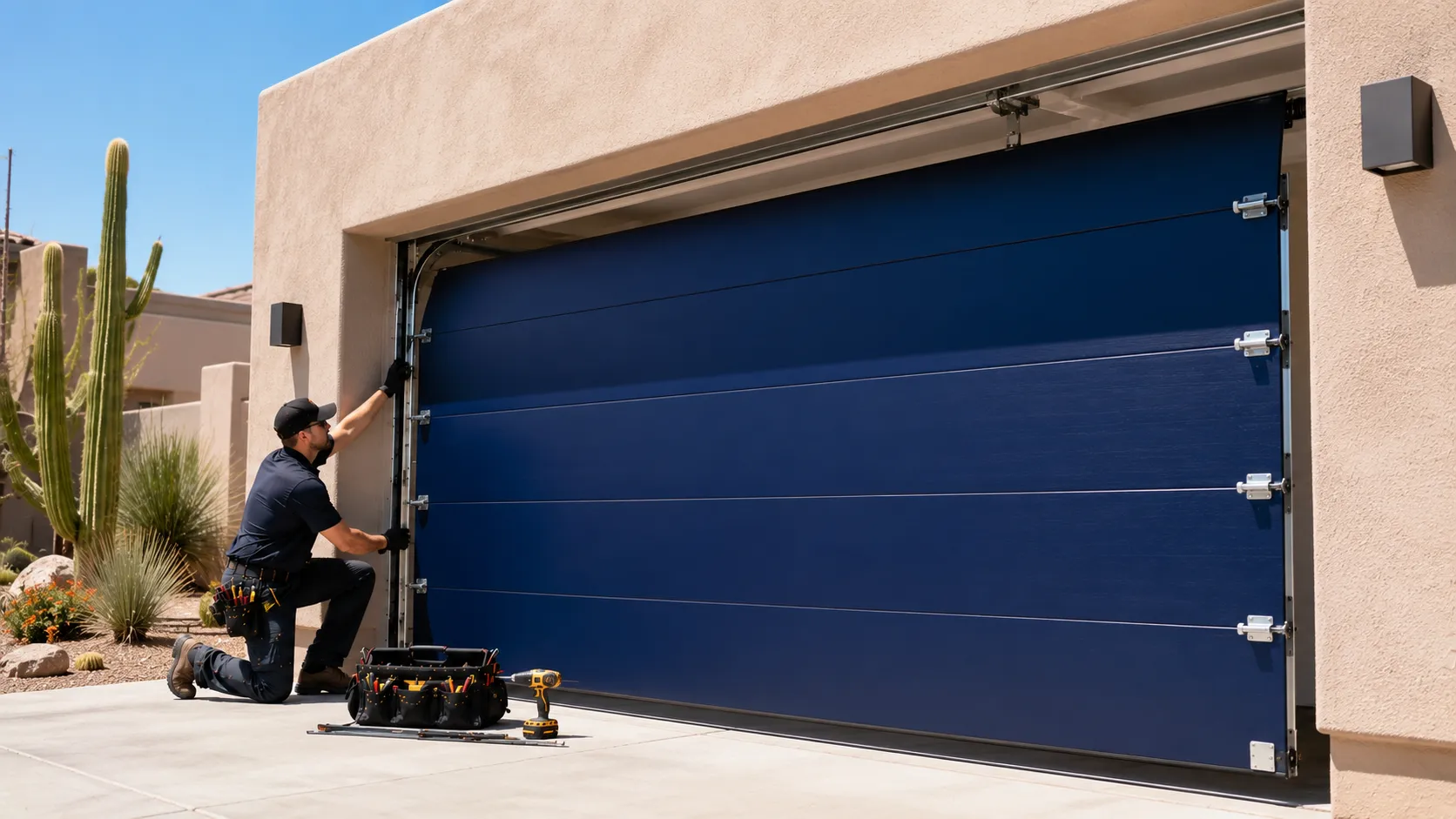
Given the income level here, replacement gets weighed seriously rather than avoided. A full door swap on a 2002-built house often makes more sense than nursing along an opener that's near the end of its run, especially when the existing door itself is still sound and only the drive unit is the problem. We'll separate the door from the opener in the estimate so you're not paying to replace what doesn't need it.
What You Are Seeing
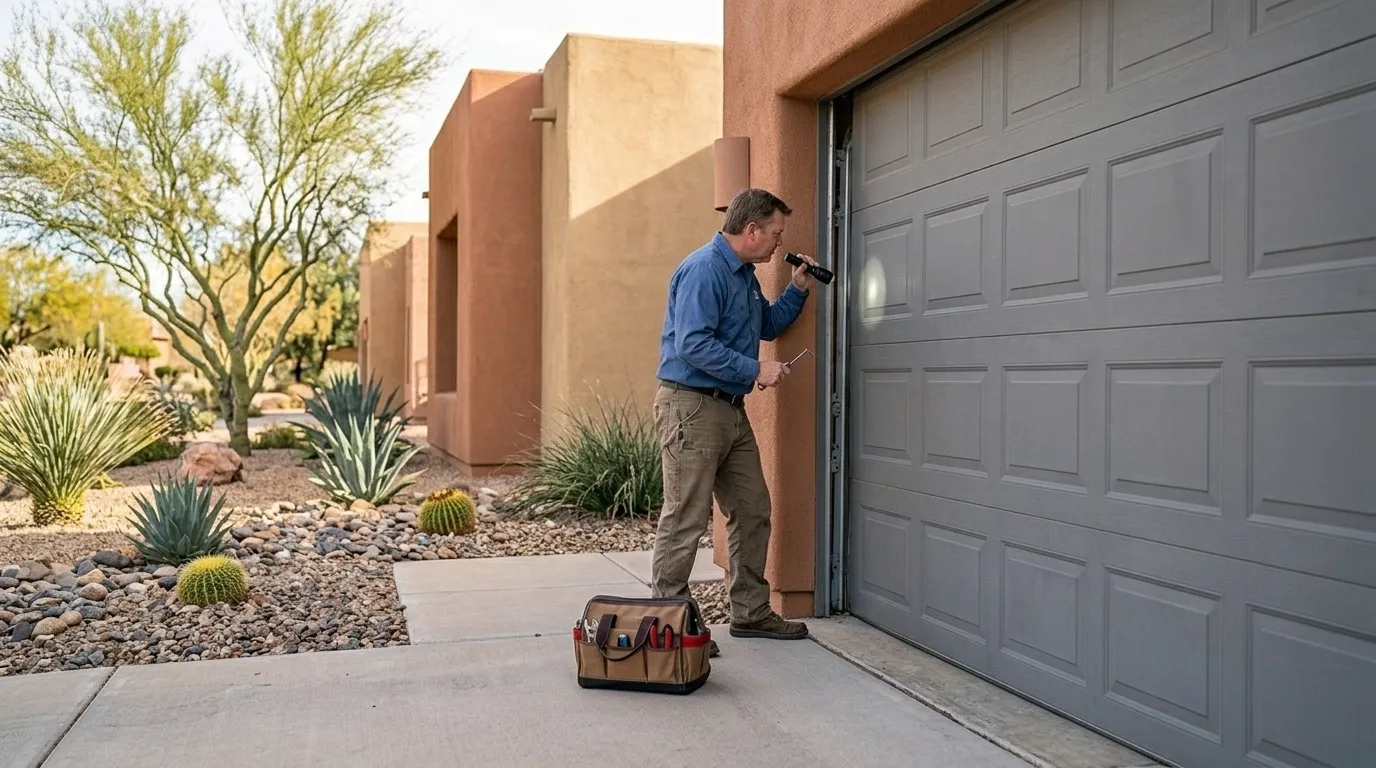
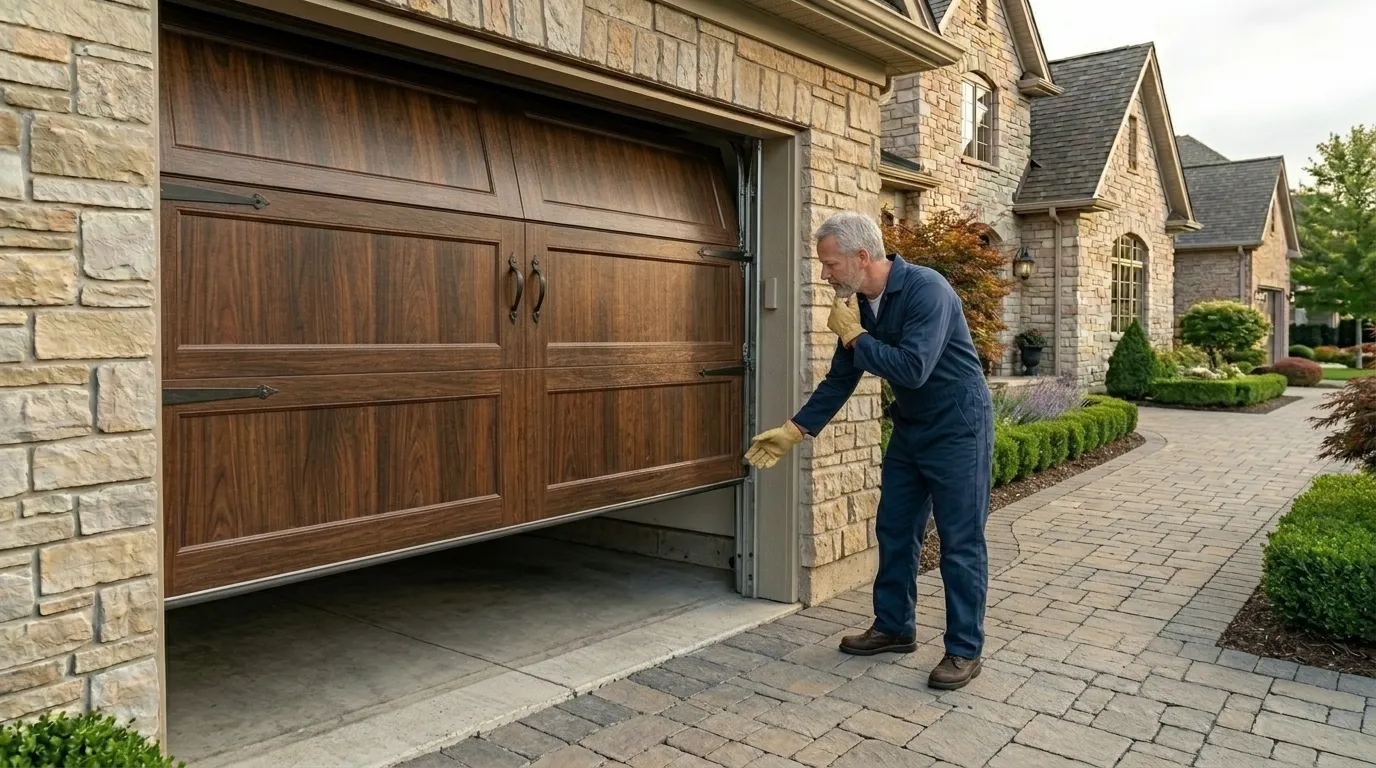
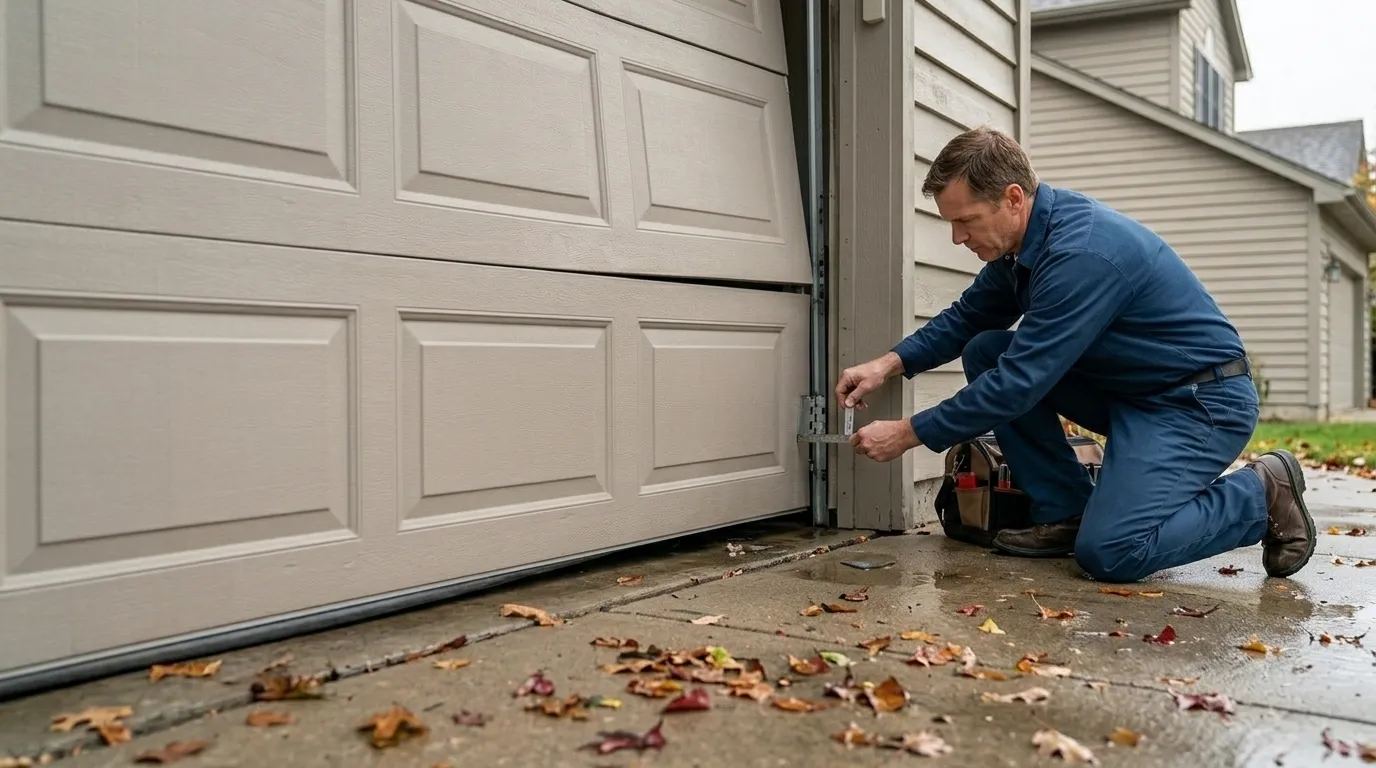
If your door is jerking, reversing partway up, or the opener is clicking without moving the door, that's usually a spring or cable problem on a door this age, not a structural one. A door that opens fine but drifts down on its own points to the torsion spring losing tension - normal wear on a 20-plus-year cycle count, and about where a 2002-built house's original spring would land today. An opener that responds to the remote but not the wall button, or vice versa, usually points to the board rather than the motor itself, which is the piece most likely to need an order rather than a same-day swap.