What Causes It Around Here
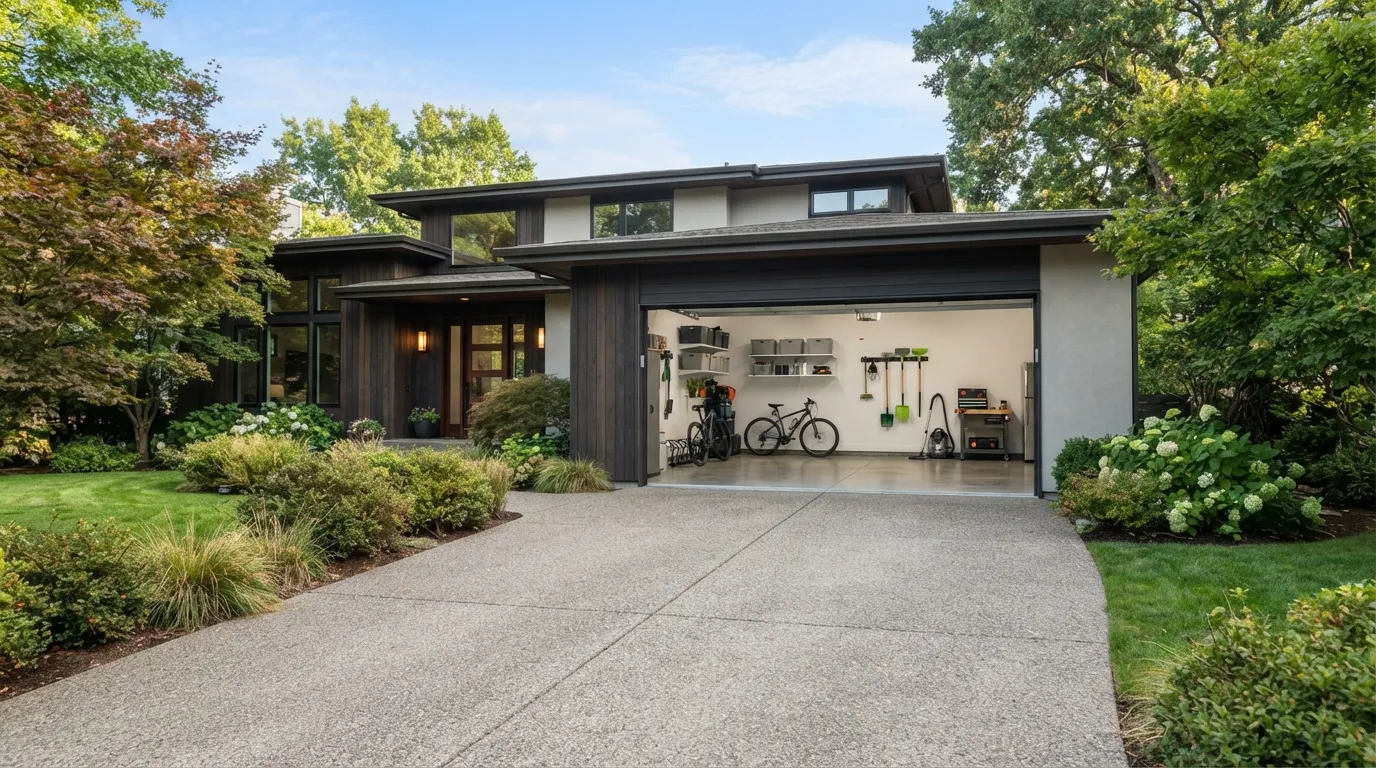
Most houses in Hudson Oaks went up around 2002, which puts them square in the middle of the builder-grade chain-drive era. The doors themselves are usually steel sectional, 16x7 double or 9x7 single, hung on the openers that came with the house - half-horsepower chain units with a circuit board that was never built to last twenty-plus years. There's no battery backup on those, no rolling-code security worth the name, and the gears inside the head unit are plastic that wears thin long before the door itself gives out.
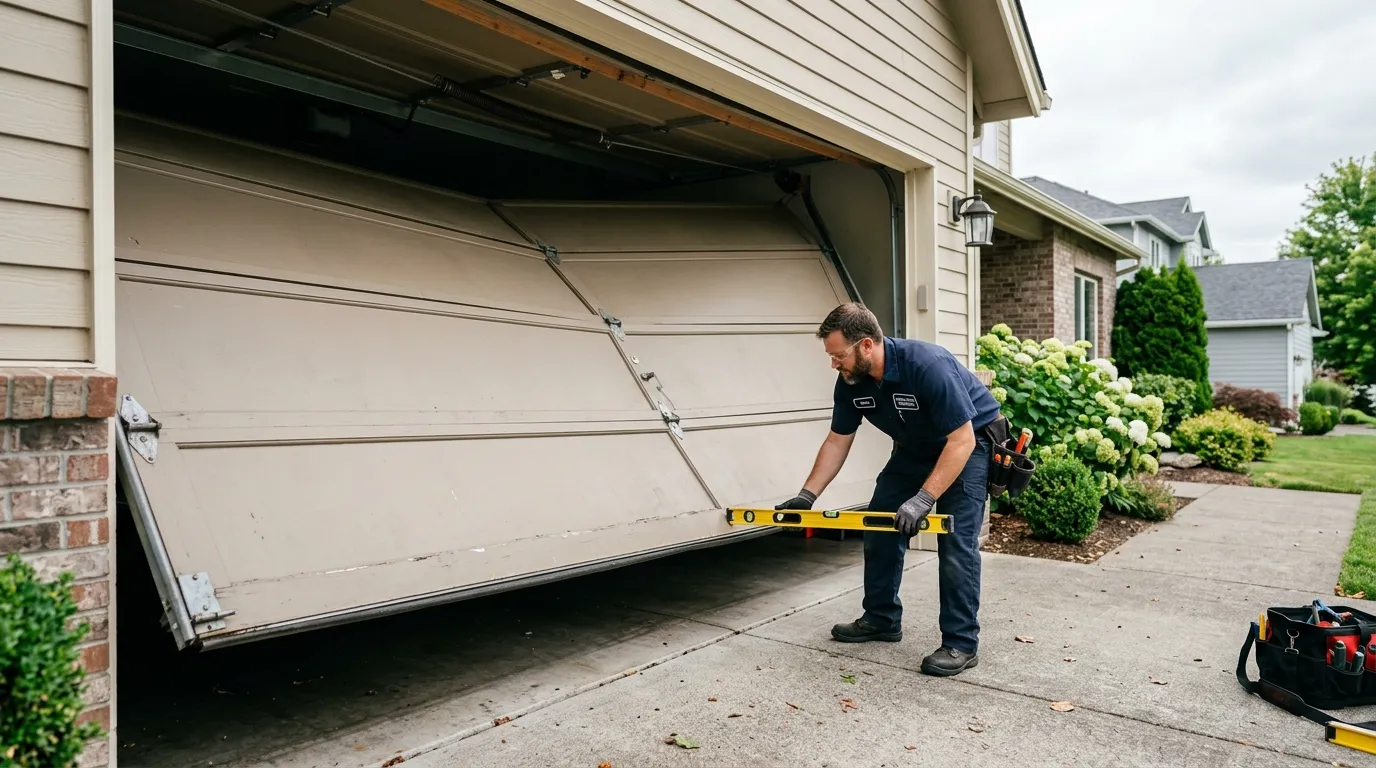
At this point those openers are old enough that the failure isn't usually one dramatic thing. It's a motor that runs hotter every summer, a logic board that drops the remote's code, or a sensor eye that's drifted out of alignment after years of vibration. Compare that to Weatherford's older core, where the housing stock runs back to the 1960s and the fault is more often the door hardware than the opener electronics - this is a newer-house problem, not an older-house one, and it shows up as the opener quitting while the door itself is still fine.
What the Repair Takes
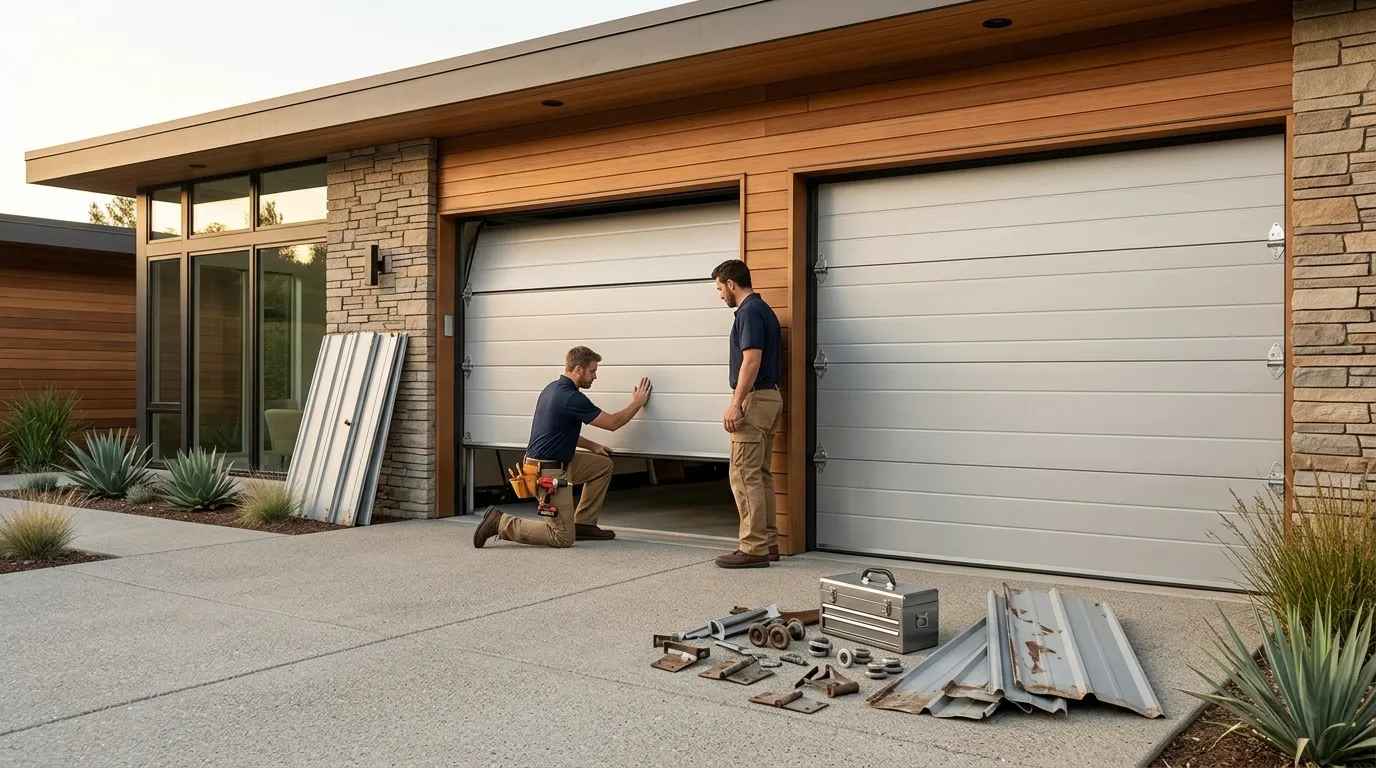
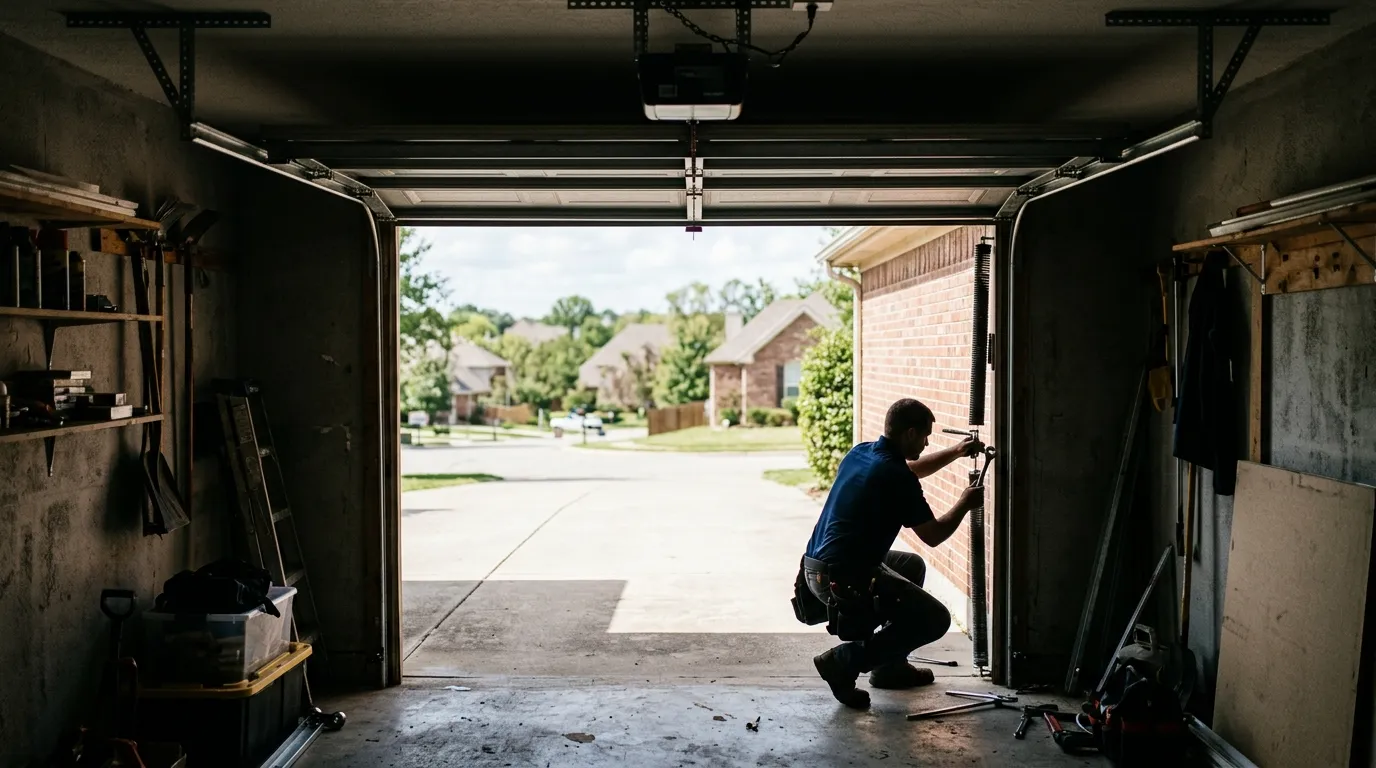
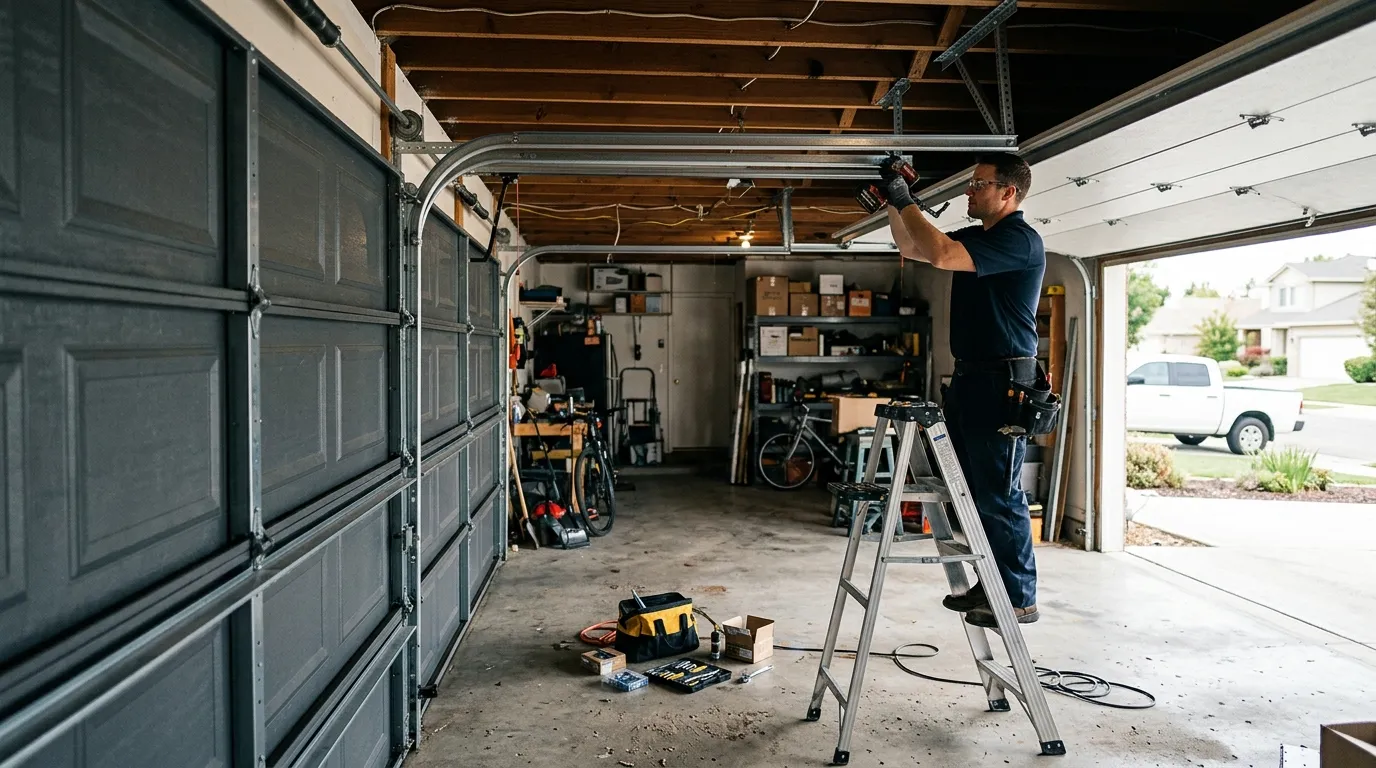
This isn't a repair job, it's a swap. Once an opener from that build era starts failing, patching the board or replacing a gear kit rarely buys you more than another season, so the honest call is a new unit rather than chasing parts for a motor that's near two decades old. We pull the old head unit, check the existing rail and hardware for wear, and mount a new opener sized to the door - usually a half-horsepower or three-quarter-horsepower unit depending on whether it's a single or a double door.
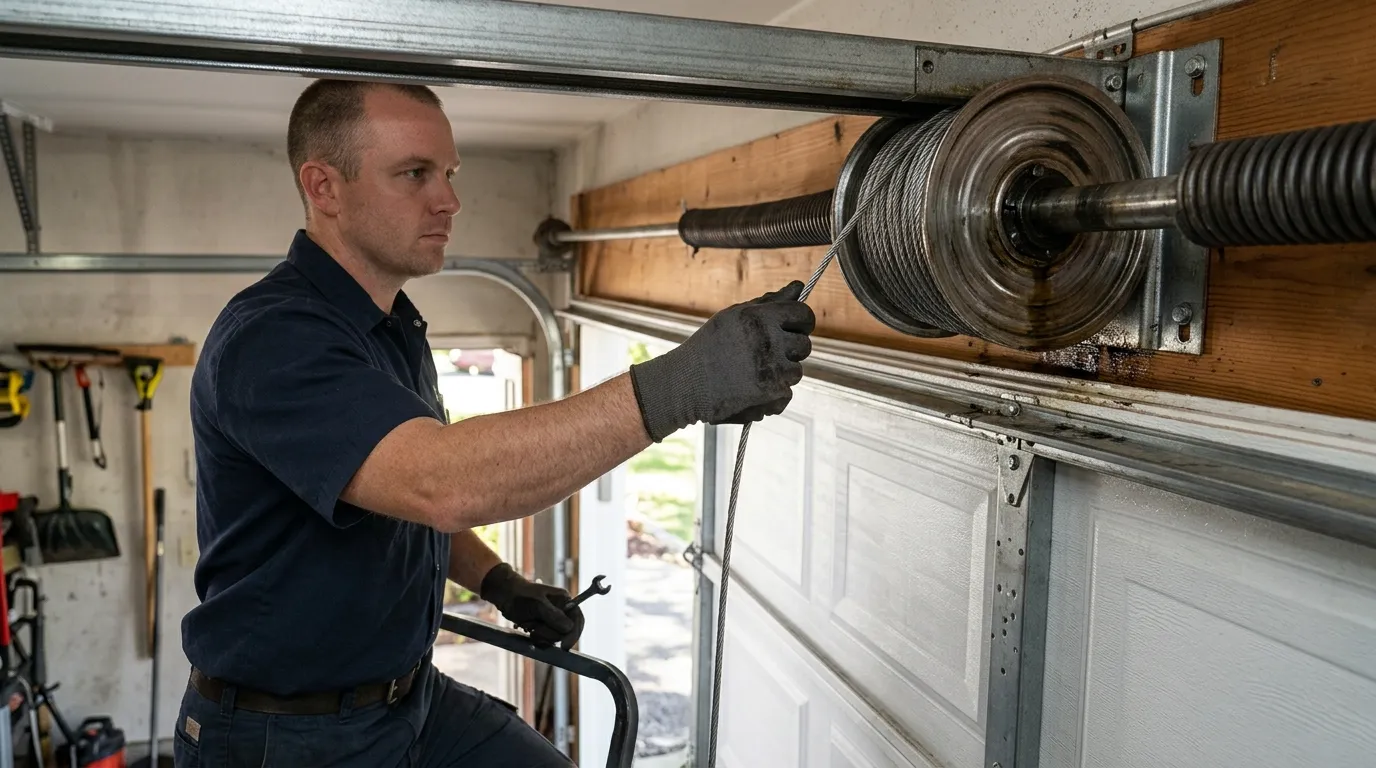
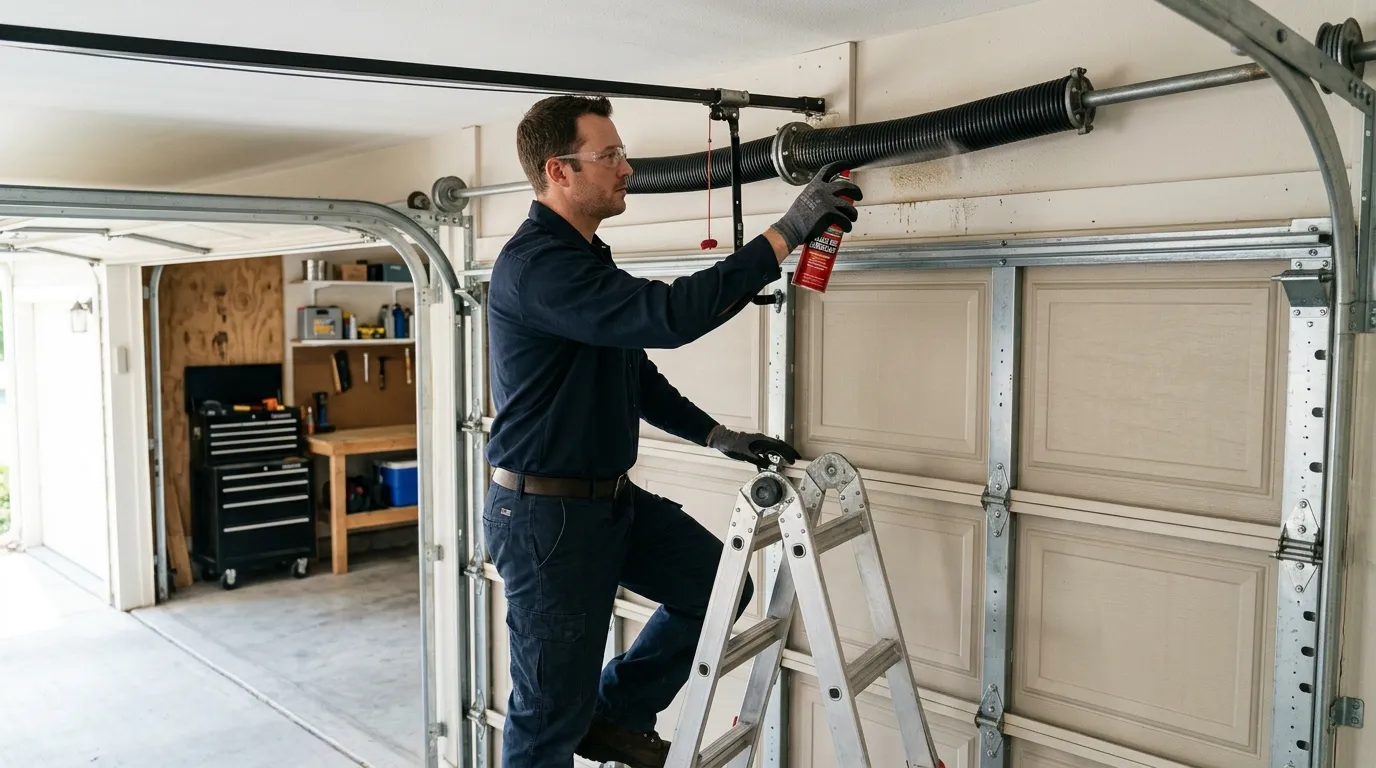
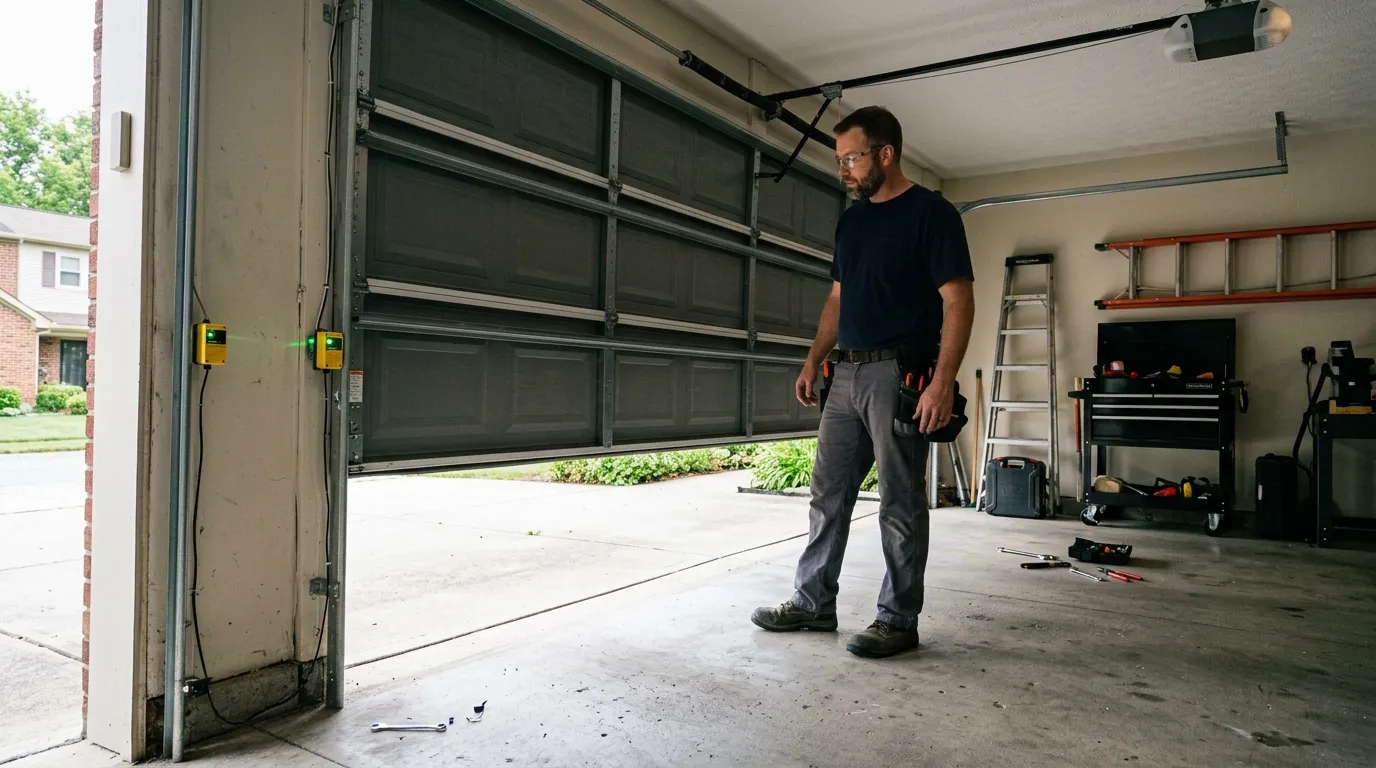
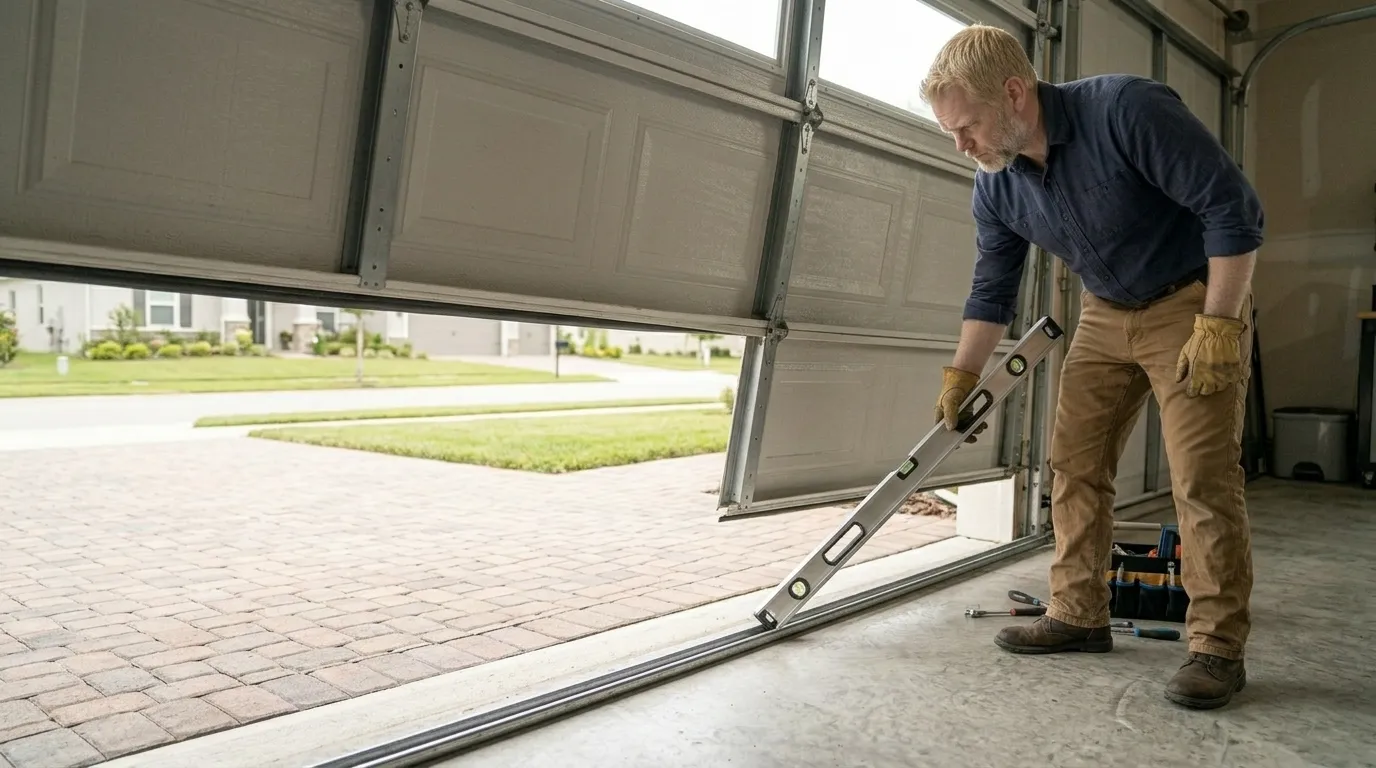
We also rewire the safety sensors and set up the remotes and keypad fresh, since the old 300 MHz-era codes on houses this age don't talk to newer opener boards. If the existing rail or the wall button is still solid, we reuse it - no reason to replace hardware that isn't the problem. One limitation worth saying plainly: if the door's springs or cables are also near the end of their life, which happens on doors this age, we'll flag that before the install rather than bolt a new opener onto worn-out door hardware and call it done.
What You Are Seeing
The signs on a Hudson Oaks house from this era tend to be electrical, not mechanical. The door reverses for no reason halfway down. The remote works from the driveway but not from the street. The wall button clicks but nothing happens for a beat too long. The chain unit grinds or clunks on start-up in a way it didn't a year ago. None of that means the door panels or the springs are bad - it usually means the opener's board or motor is past its working life, which lines up with houses built in the early 2000s reaching the point where original equipment starts failing.
With household incomes in Hudson Oaks running well above the wider Weatherford service area, a lot of owners here choose to replace an aging opener with a quieter, better-insulated unit rather than run the original chain drive until it fails outright. That's a reasonable call on a newer house where the door itself still has years left in it.