What Causes It Around Here
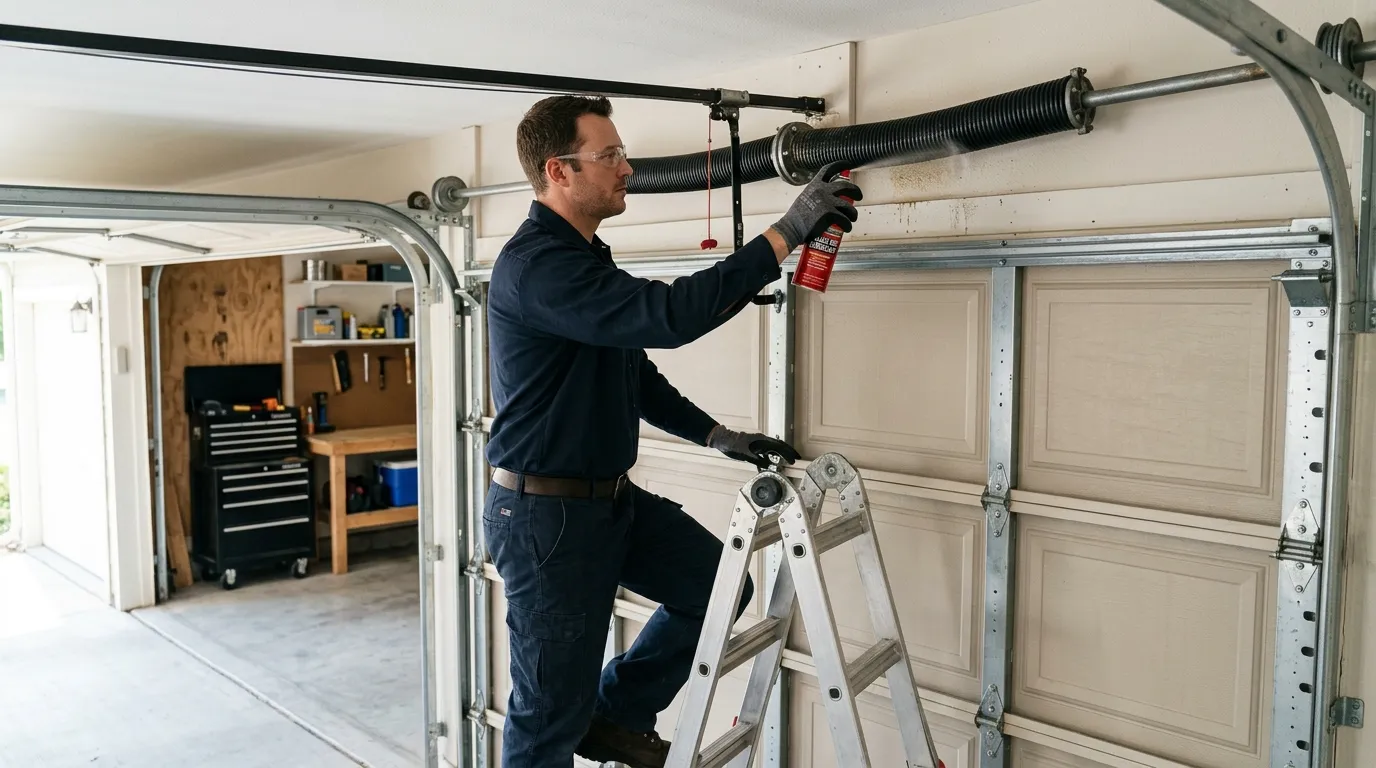
Hudson Oaks is a newer build pocket compared to a lot of what this company covers out of Weatherford - median year built here is around 2002, not the 1990 median across the wider service area. That matters for rollers specifically. Doors going up in the early 2000s mostly shipped with 10-ball steel rollers or the cheaper stamped-steel style, not the sealed nylon units builders started favoring later. Steel rollers ride metal-on-metal in the track, and over fifteen-plus years that means dry bearings, flat spots worn into the roller face, and a stem that's started to bend under an offset door. You hear it before you see it: a grinding or rattling on the way up that gets louder near the top of the run. The heat band here is moderate rather than severe, so you're not fighting the kind of track expansion and lubricant breakdown that shows up in hotter climates, but daily cycling on an 18-20 year old roller set still wears the same way steel wears anywhere - slowly, then all at once when a bearing seizes and the roller stops turning altogether.
What the Repair Takes
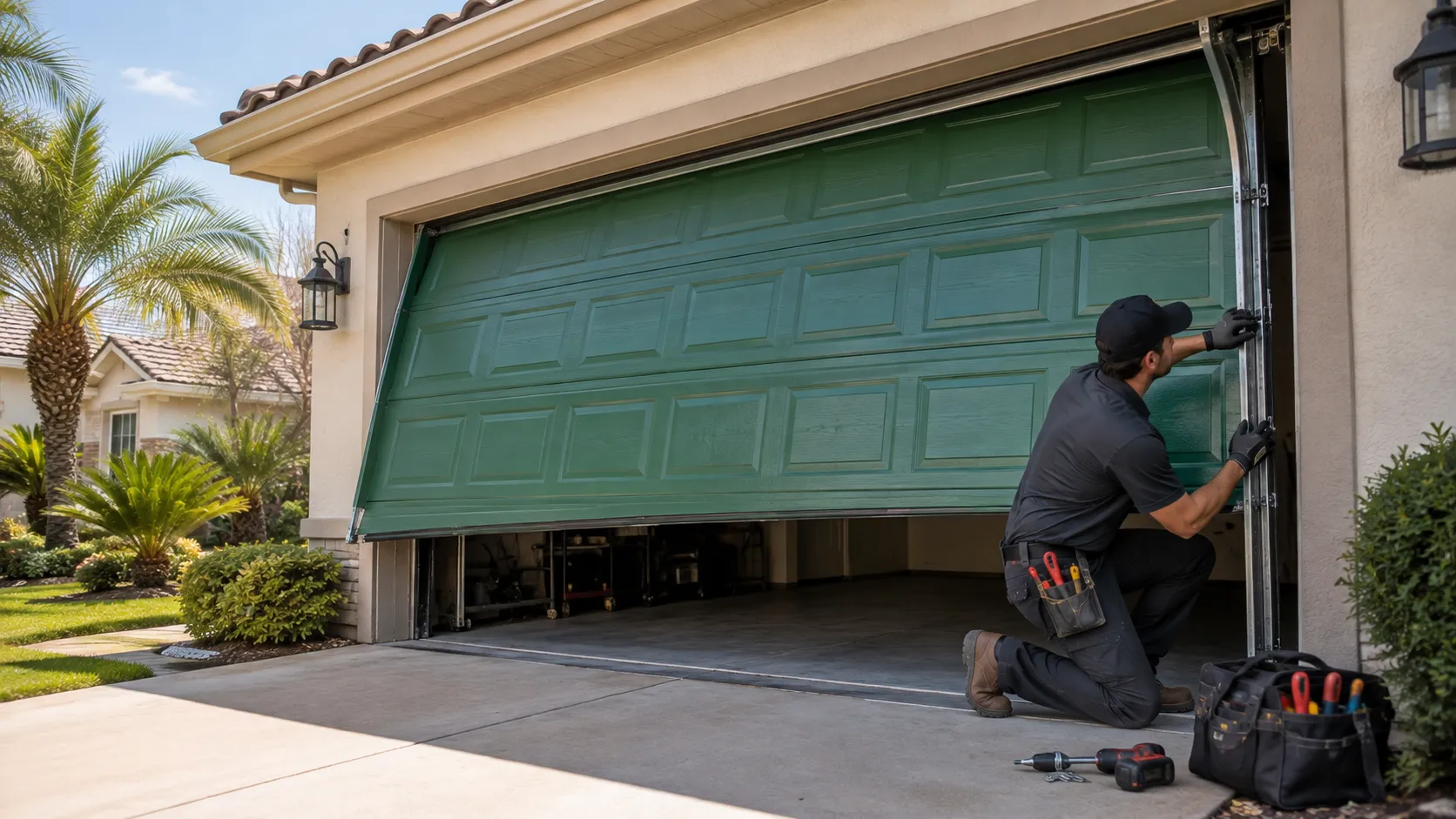
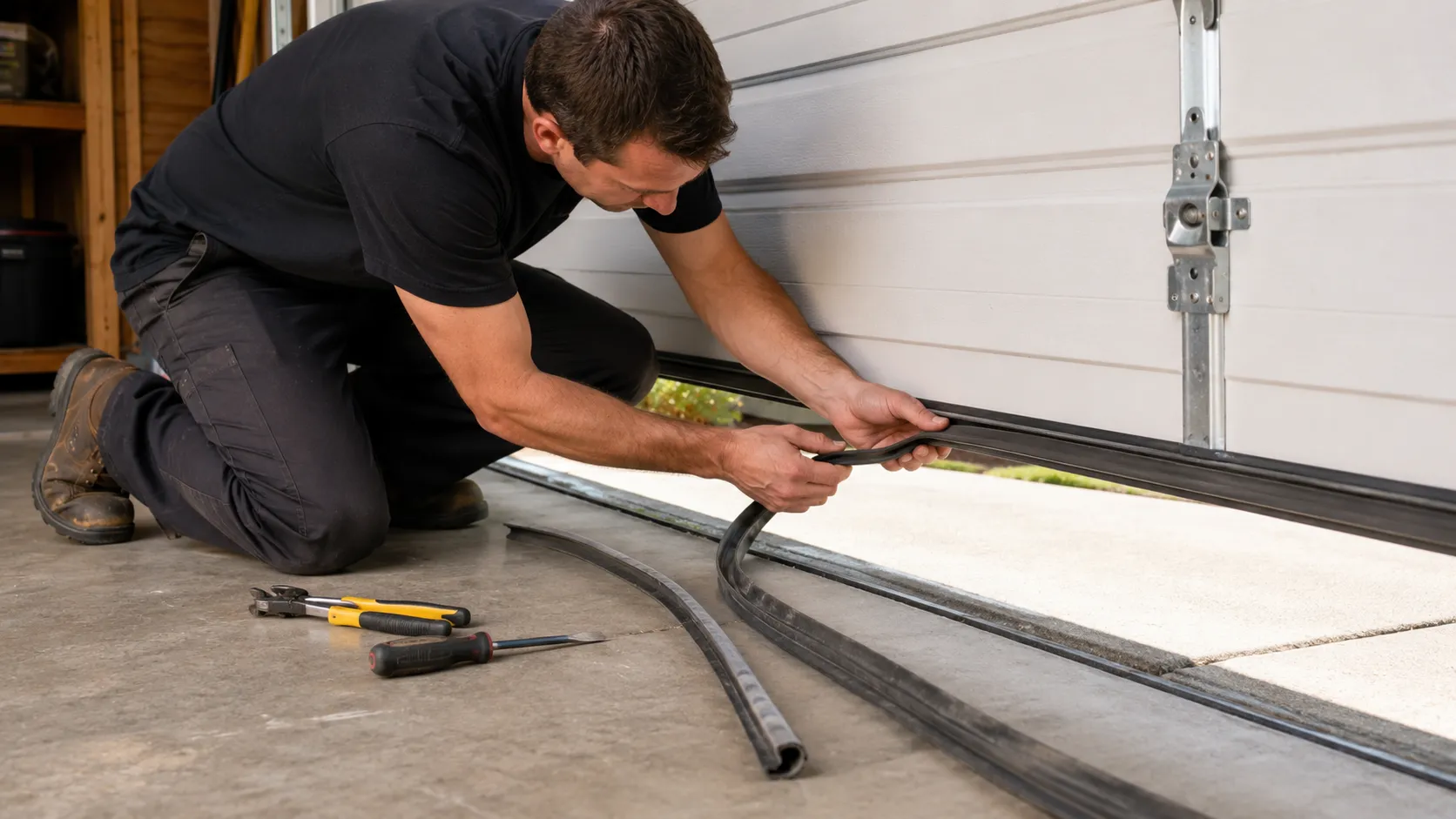
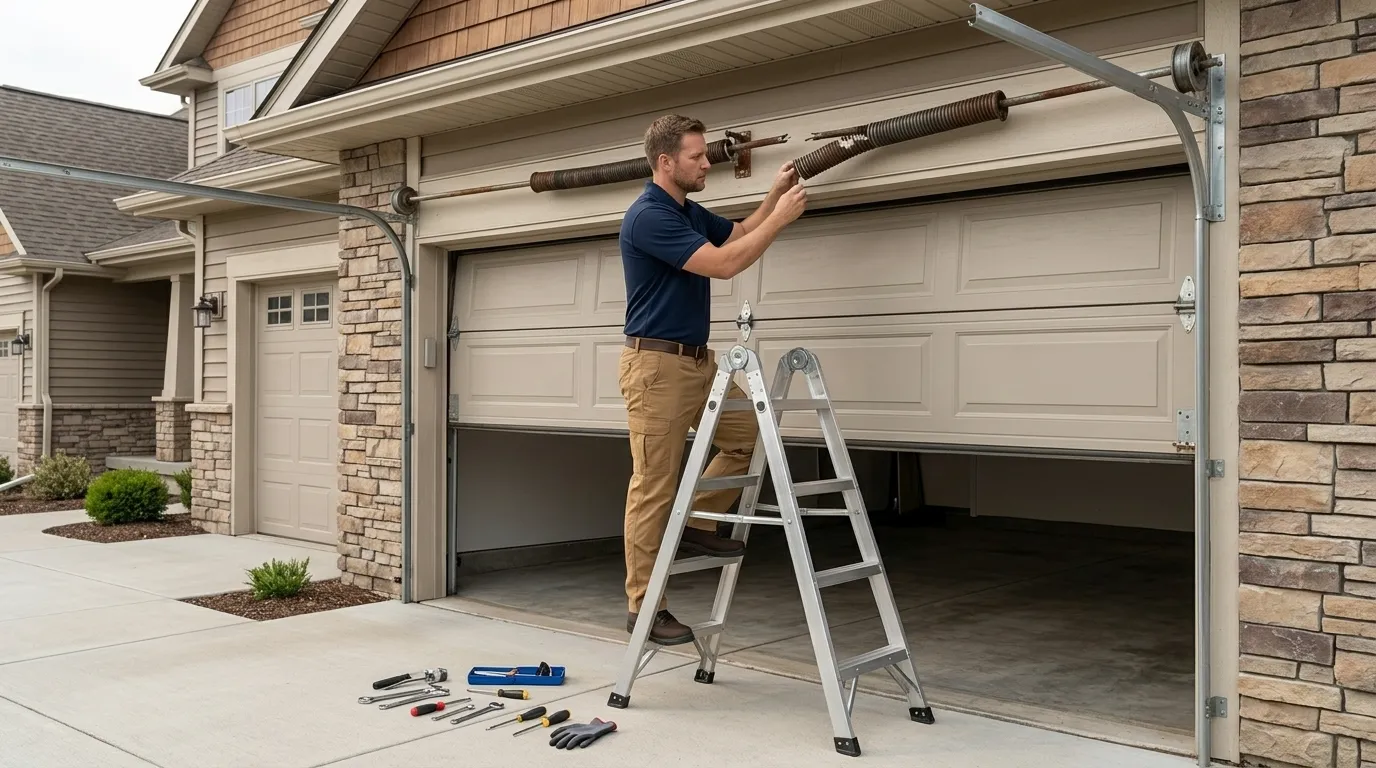
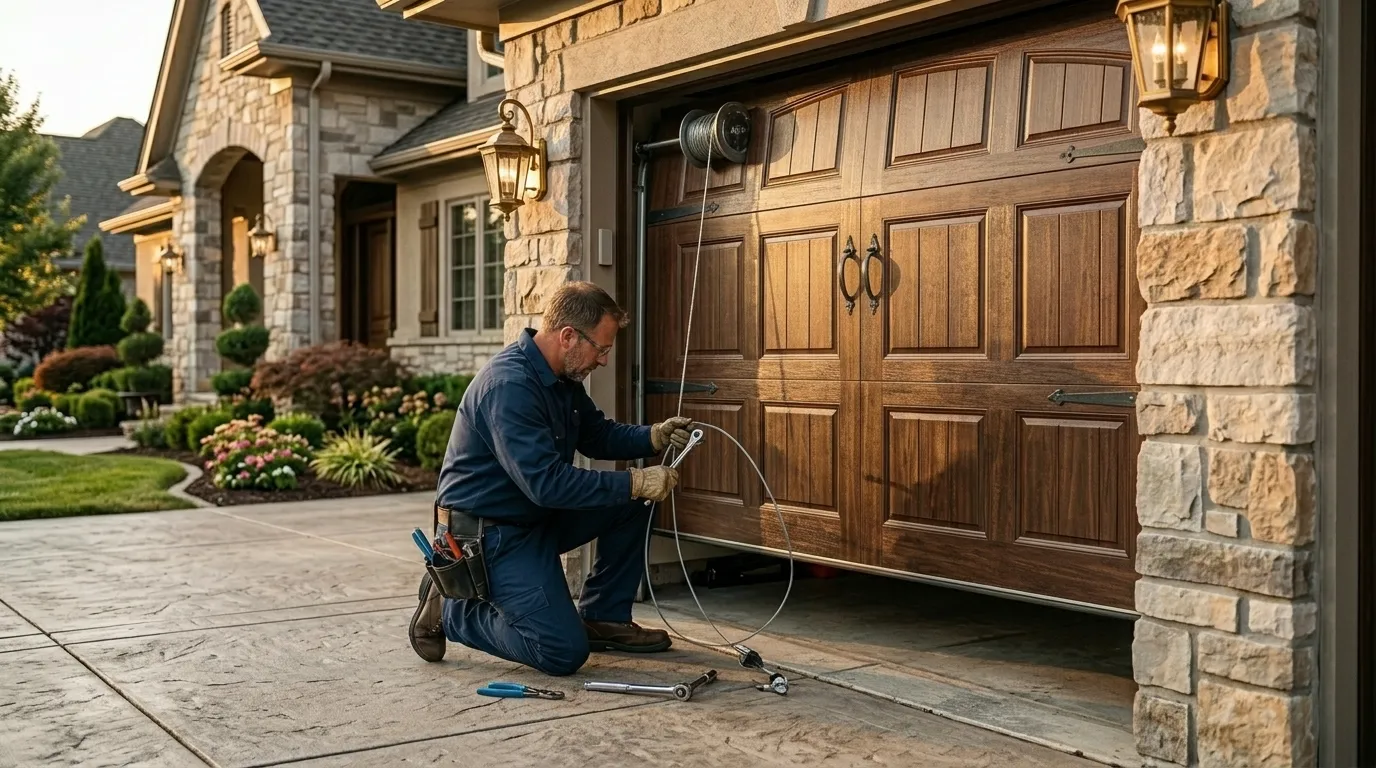
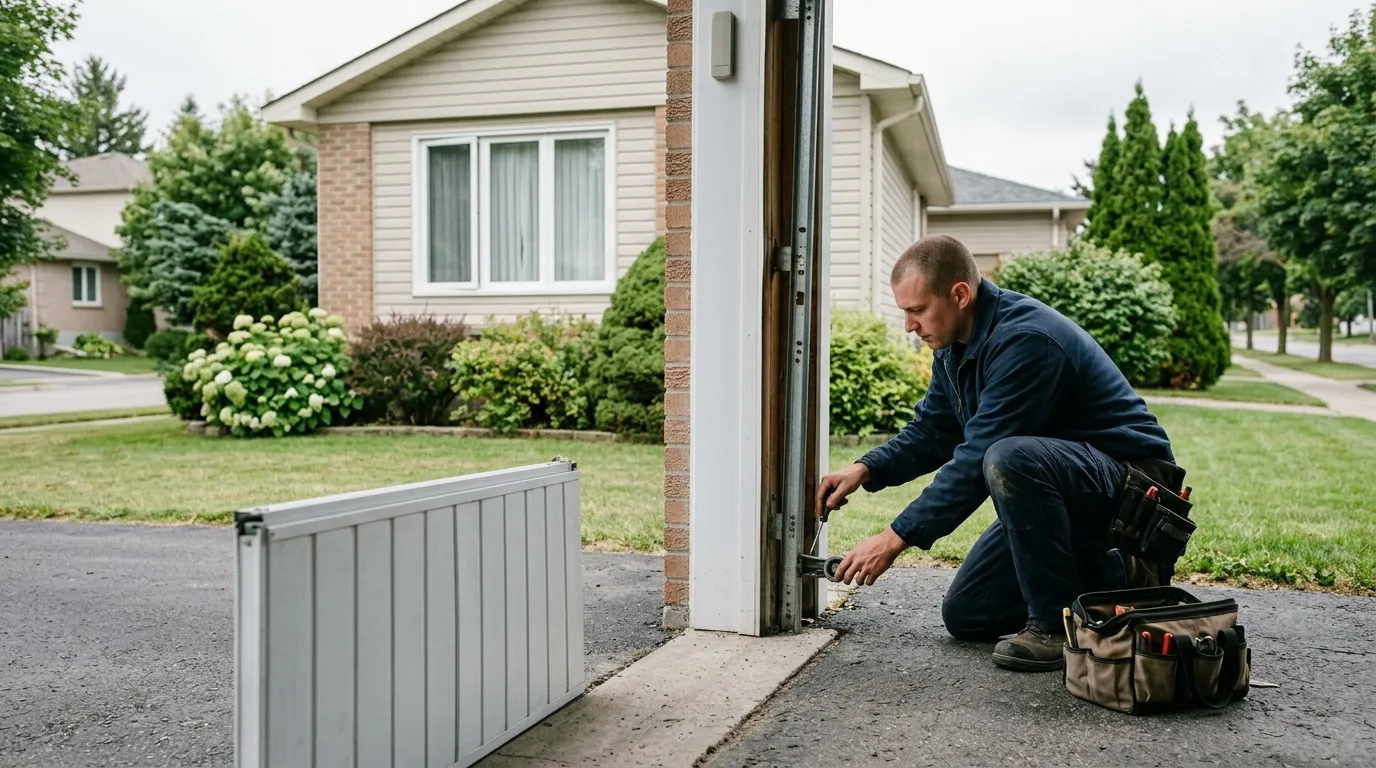
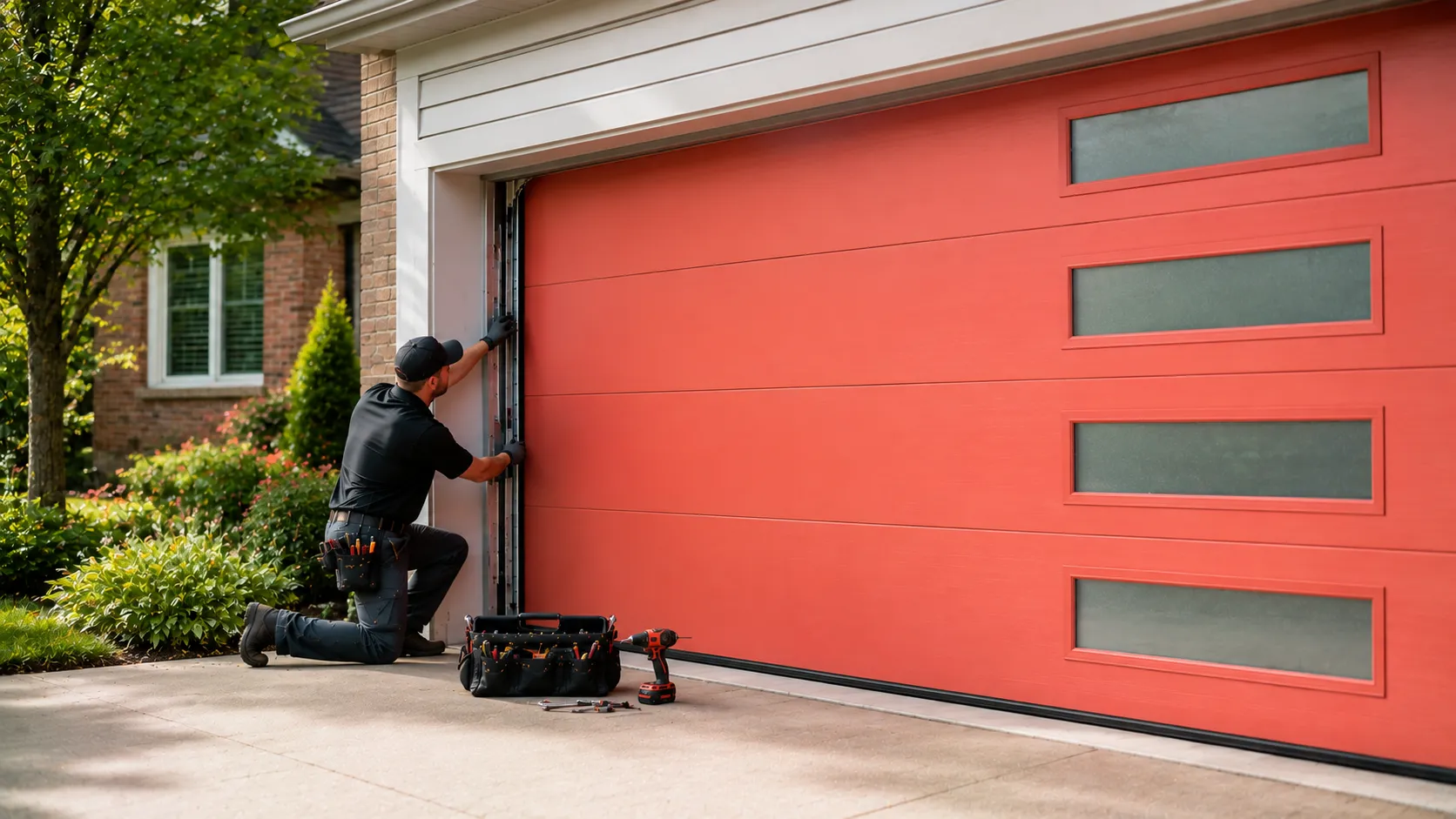
Roller replacement on a residential door is a full-set job, not a one-off swap, because if one roller is worn the rest are close behind on the same cycle count. The stems come out of the hinge brackets, the door gets walked up in the track a section at a time, and each roller gets pulled and checked against the bracket hole before the new one goes in. Nylon rollers with sealed bearings are the standard replacement now - quieter, no lubrication needed, and they don't wear the track the way steel does. If the track itself has been chewed up by a roller that seized and dragged, that's a separate repair and worth being honest about: rollers don't fix a bent or gouged track, and pushing a new roller into a damaged track just wears it out again faster. On a household income base like this one, most owners choose to replace the full set once one roller starts grinding rather than wait for a second failure call.
What You Are Seeing
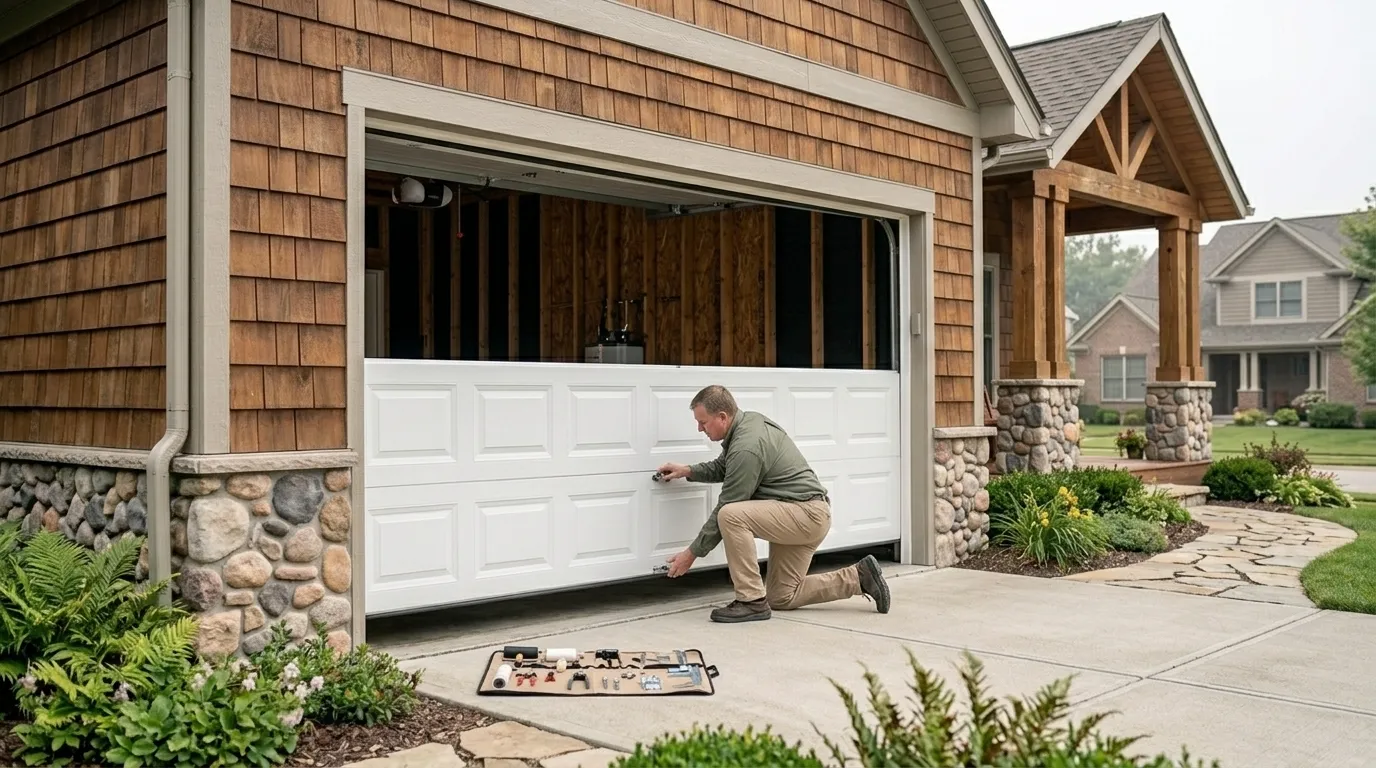
The tells are pretty consistent: a scraping or grinding sound that tracks with the door's movement rather than staying constant, a door that hesitates or jumps at one specific spot in the run every time, and rollers you can see are worn flat on one side if you look at them straight on with the door open. Sometimes it shows up as the door running noticeably rougher on one side than the other - that's usually the tell that one roller has seized while its neighbors are still turning. None of that is an opener problem, even though a stiff door will make the opener strain and sometimes trip the safety reversal. If the door binds hard enough that it won't finish closing at all, that's worth a call before the opener motor takes the brunt of it.