
What Causes It Around Here
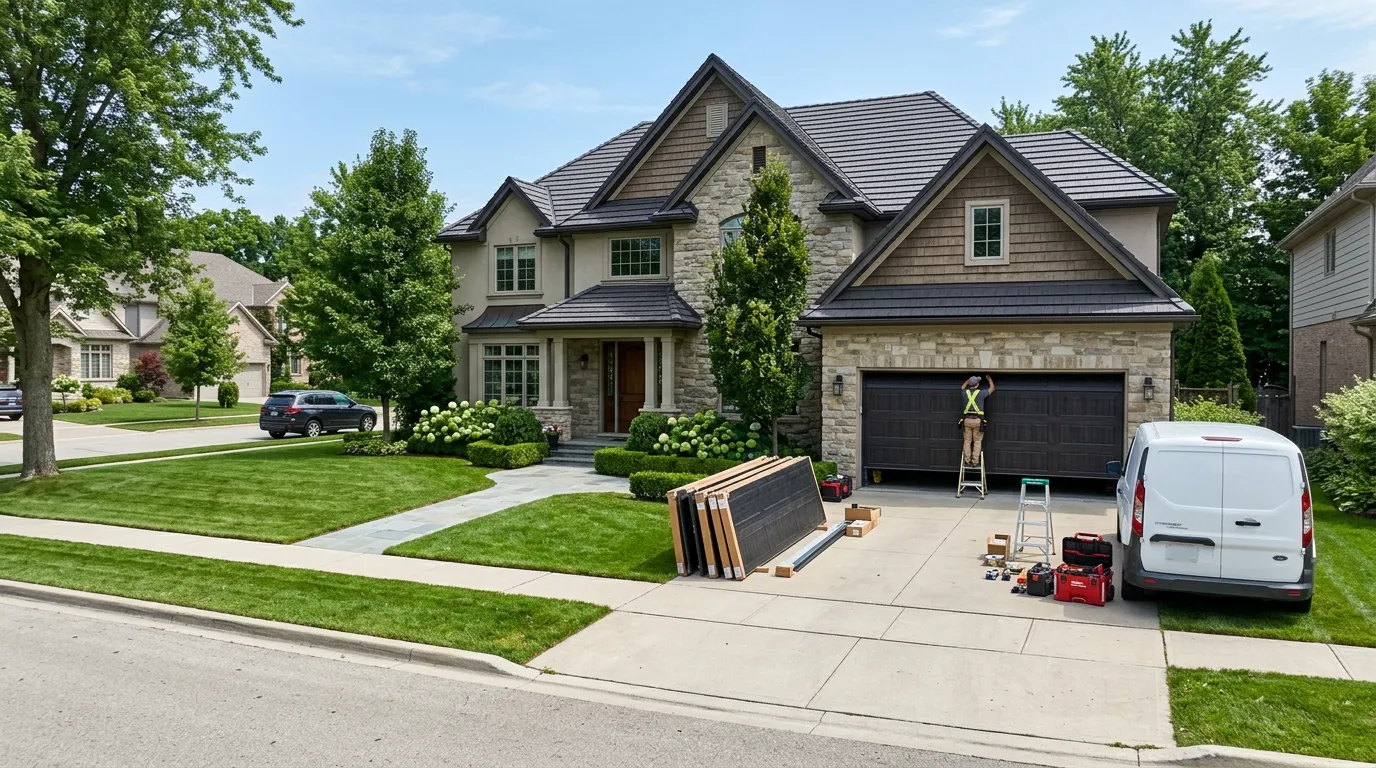
The drive out to Hudson Oaks from Weatherford is short, four miles, which matters more than it sounds like it should. It means a spring call here doesn't turn into a half-day trip, and it means the truck isn't guessing at what hardware it'll find when it pulls up.
What it finds is newer than a lot of the rest of the service area. Most houses in Hudson Oaks went up after 2002, a good decade past the 1990 median for the wider area, which covers stock going back to 1966. That means factory torsion springs on standard track, not a patchwork of replacements from three different eras stacked on one door.
The failure mode is still the same one every door in North Texas deals with: heat. The service area sits in a moderate-to-heavy heat band, and torsion springs are rated in cycles, not years. A spring wound and installed when these houses were framed around 2002 has been through two decades of Texas summers now, expanding and contracting in the garage every time the door runs. That's close to when a torsion spring is supposed to give out. It's not a defect. It's the spring doing exactly what it was built to do, for exactly as long as it was built to do it.
What the Repair Takes
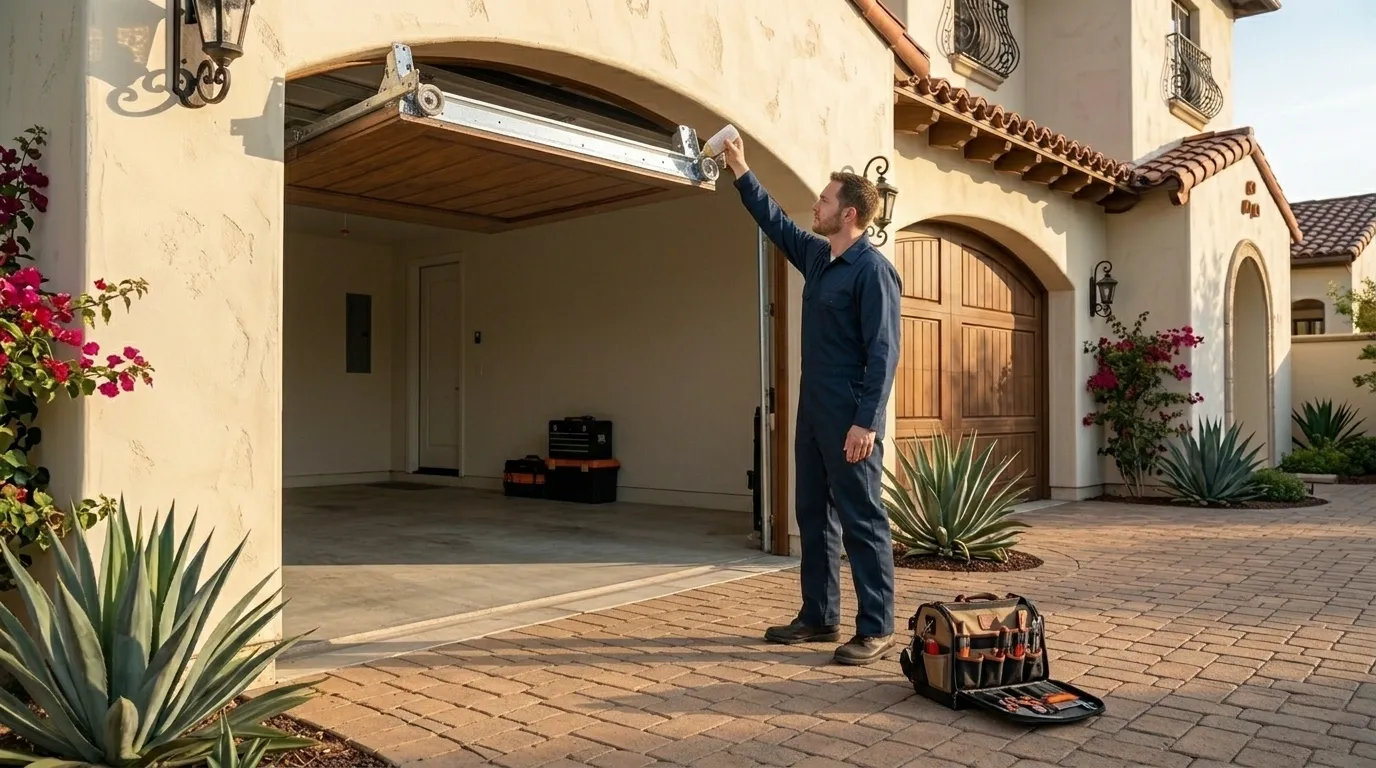
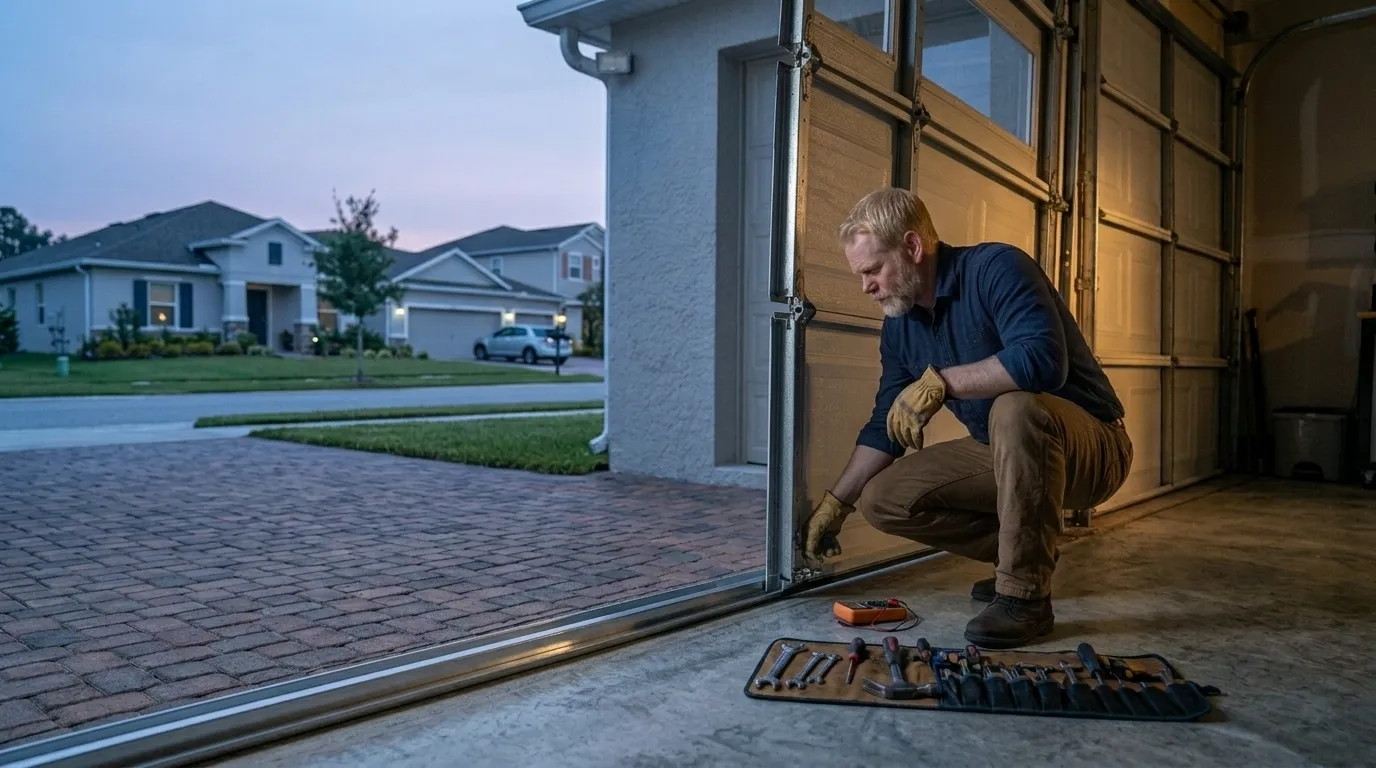
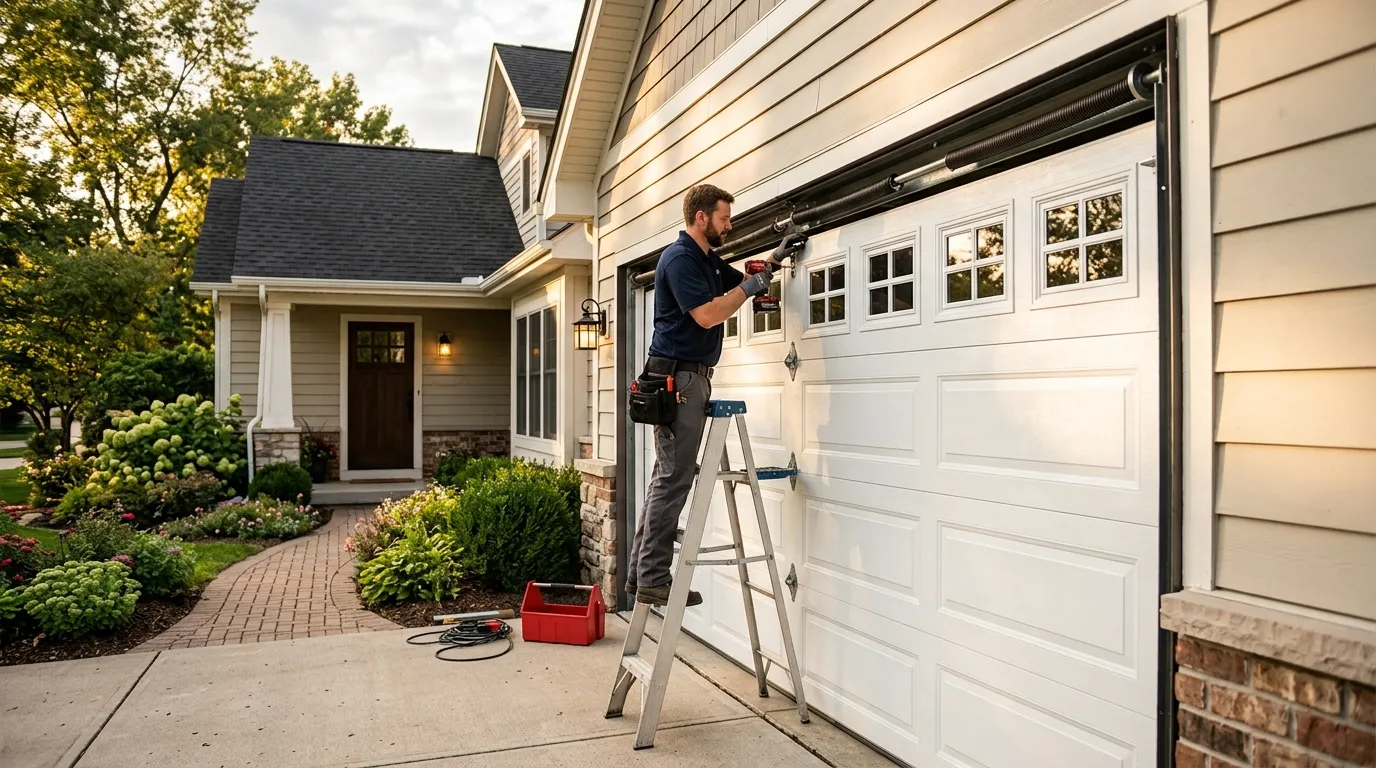
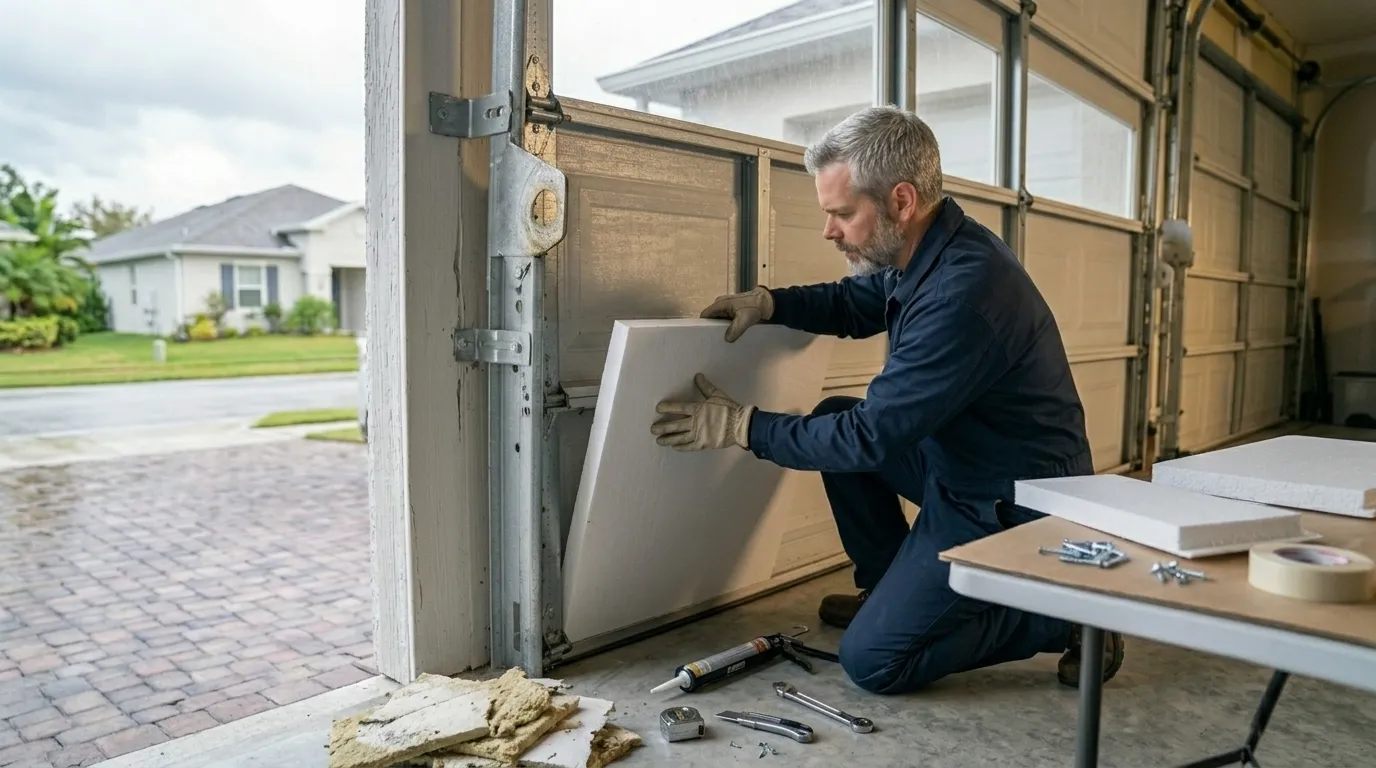
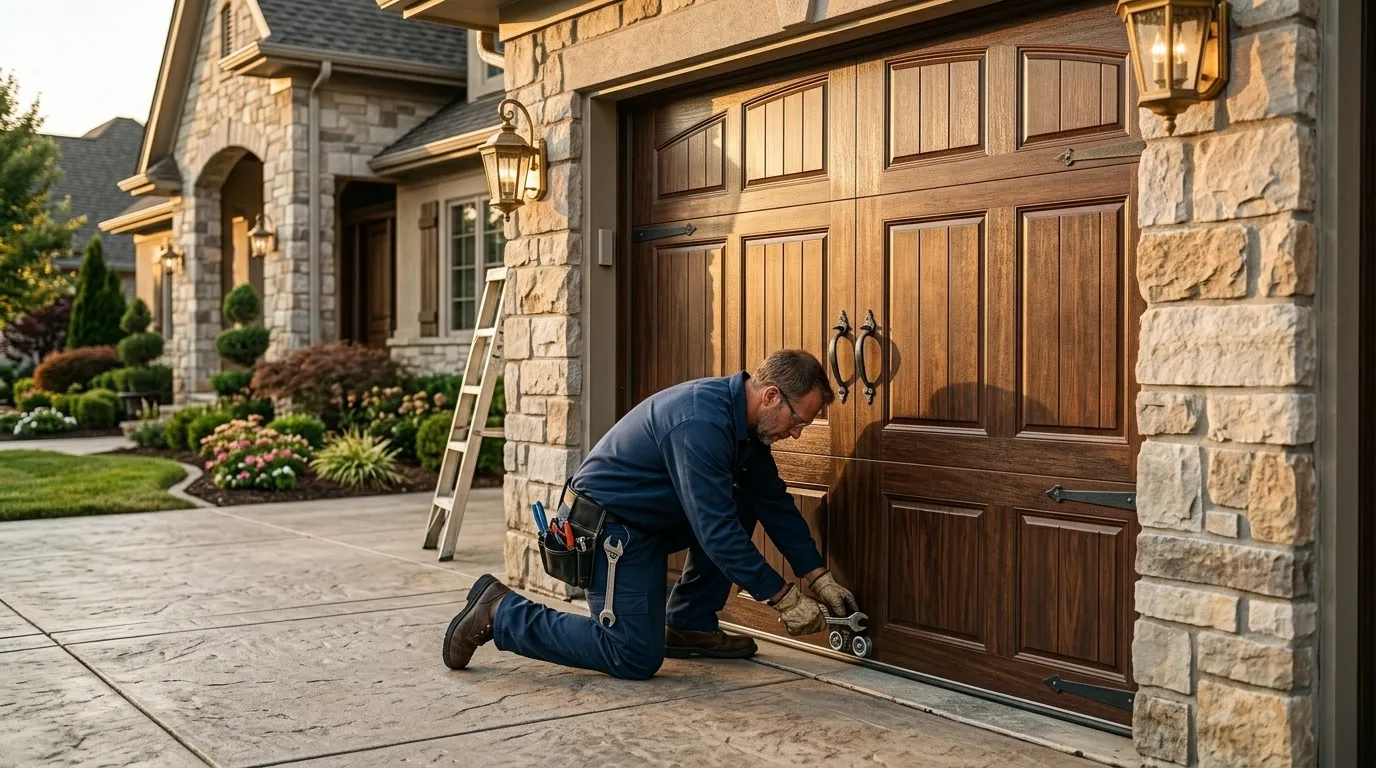
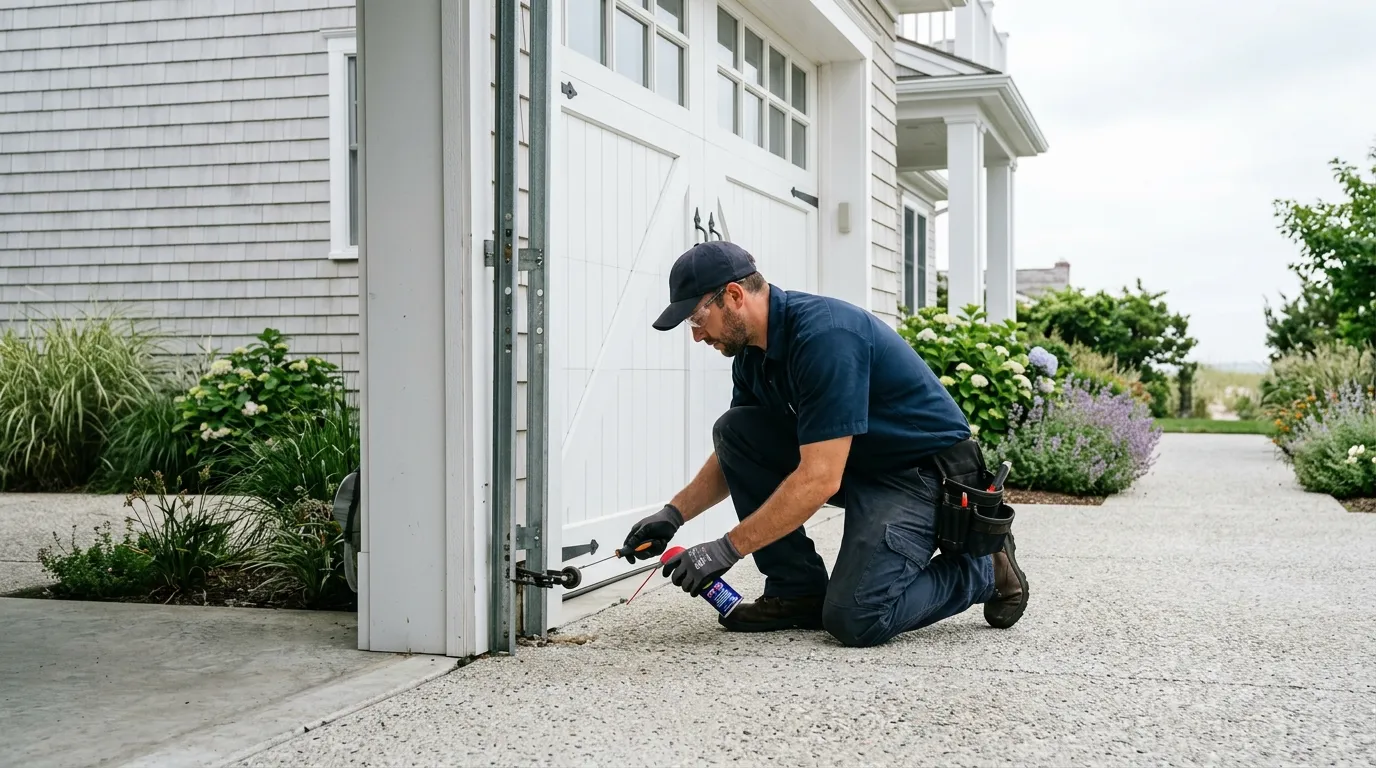
A torsion spring job means winding down the old spring safely, pulling it off the shaft, and setting a replacement matched to the door's weight and drum size. On a standard newer door like most of what's in Hudson Oaks, that's usually a single spring or a matched pair, factory-sized, not a custom order.
Here's the honest limit: not every spring size sits on the truck. Standard torsion springs for a typical double door, yes. An oversized or custom door with a spring size outside the common range sometimes means a short wait for the right part, rather than a same-visit fix. Better to say that up front than to promise a fix that gets delayed once the tech is already under your door.
Extension springs, if the house has the older side-mounted kind instead of a torsion bar, get replaced in pairs too, for the same reason torsion springs do: one worn spring means the other one is close behind it, and running the door on one good spring and one bad one just moves the failure point to the cable or the opener.
What You Are Seeing
The classic sign is a loud bang from the garage, often in the morning or evening when the temperature swing is biggest - that's the spring letting go, not the opener or the door itself failing. After that, the door either won't lift at all, or it lifts a few inches and stalls because the opener isn't built to lift the full weight of the door on its own.
A visible gap in the coil, where the spring looks like it's been cut in two even though nobody touched it, means it's already broken and just hasn't been dealt with yet. A door that feels heavier than usual when you lift it by hand, or one that slams down instead of settling, is usually a spring that's lost tension but hasn't fully snapped.
Don't try to pull the spring off or adjust the winding cones yourself. A wound torsion spring holds enough stored tension to cause a serious injury if it's handled wrong, and that's true whether the door is a two-year-old install or one that's been on the house since it was built.