What Is Going On
Weatherford's housing stock skews older than most people assume when they picture a fast-growing Parker County suburb. Median build year here lands around 1990, with the range running 1966 through 2010, and most of that stock clusters in the 1980s and 90s across the thirteen named areas that make up this service territory. A door installed in that window came out of the factory as a bare metal or wood panel with no foam core, because insulated garage doors weren't the default until later. Nobody retrofitted insulation into these doors after the fact - they either got replaced or they're still running the original skin. That single fact explains most of the temperature and noise complaints we hear about on houses from this era. It's not a defect. It's just what a door looked like when the house went up. The panel does its job of keeping weather and animals out, but it does almost nothing to slow heat transfer, and on a garage that shares a wall with living space, that matters more than most owners realize until they start paying attention to it.
What to Check
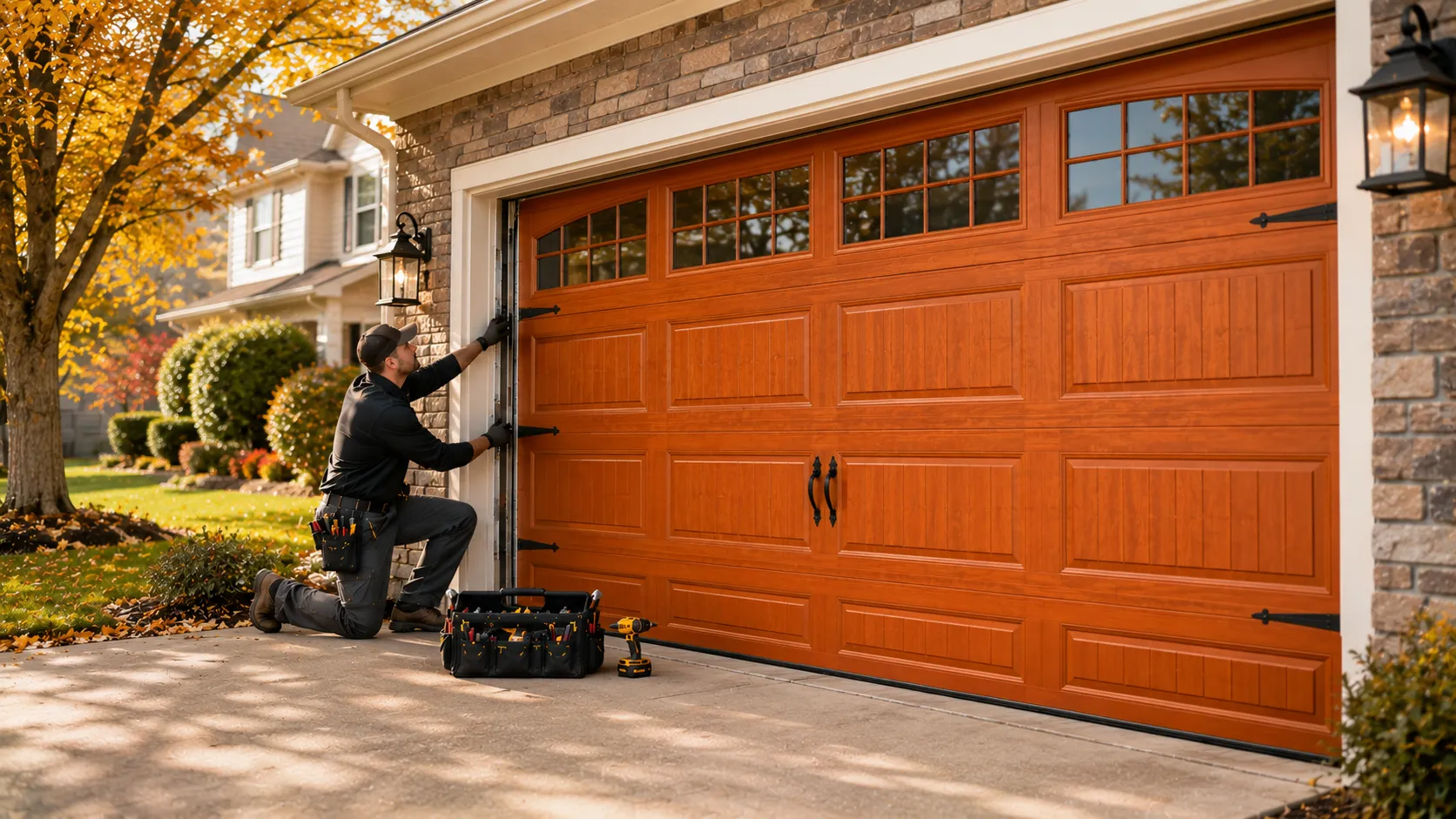
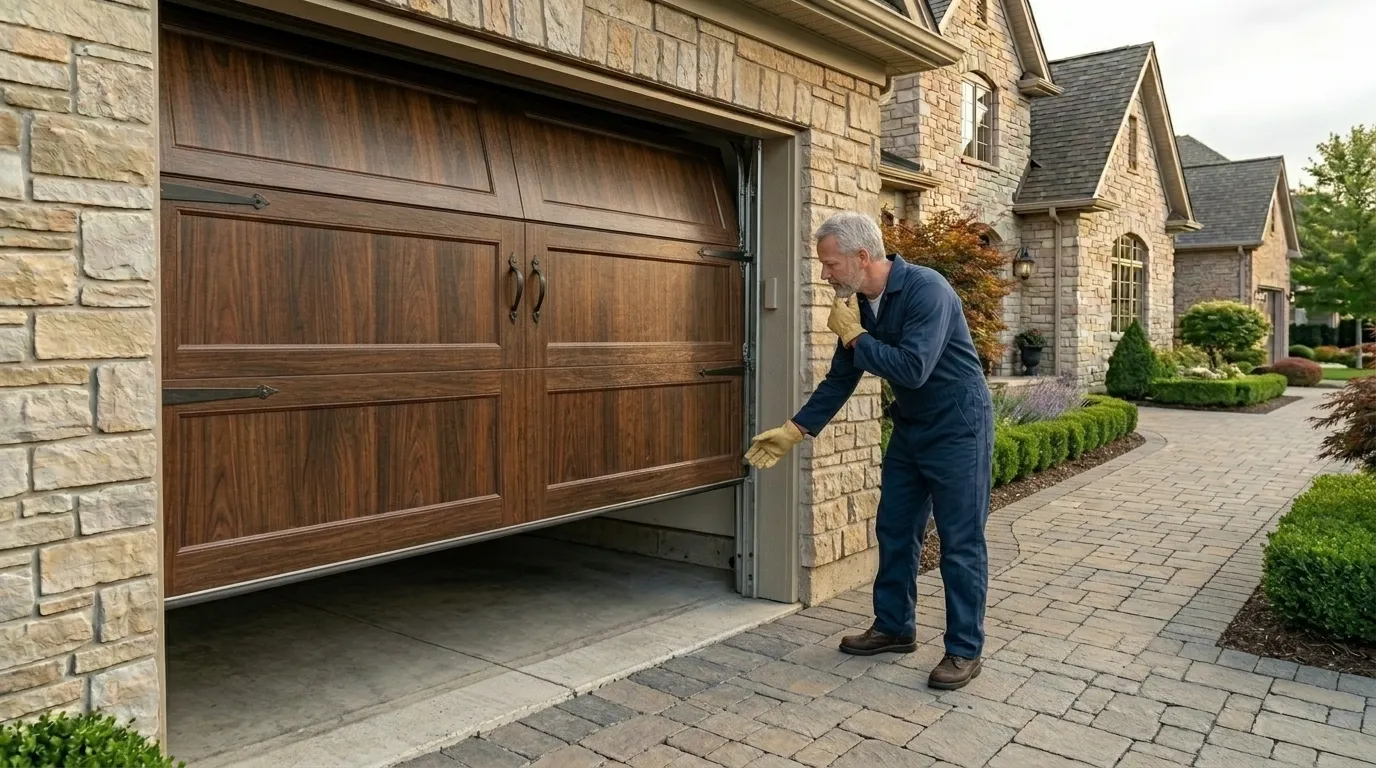
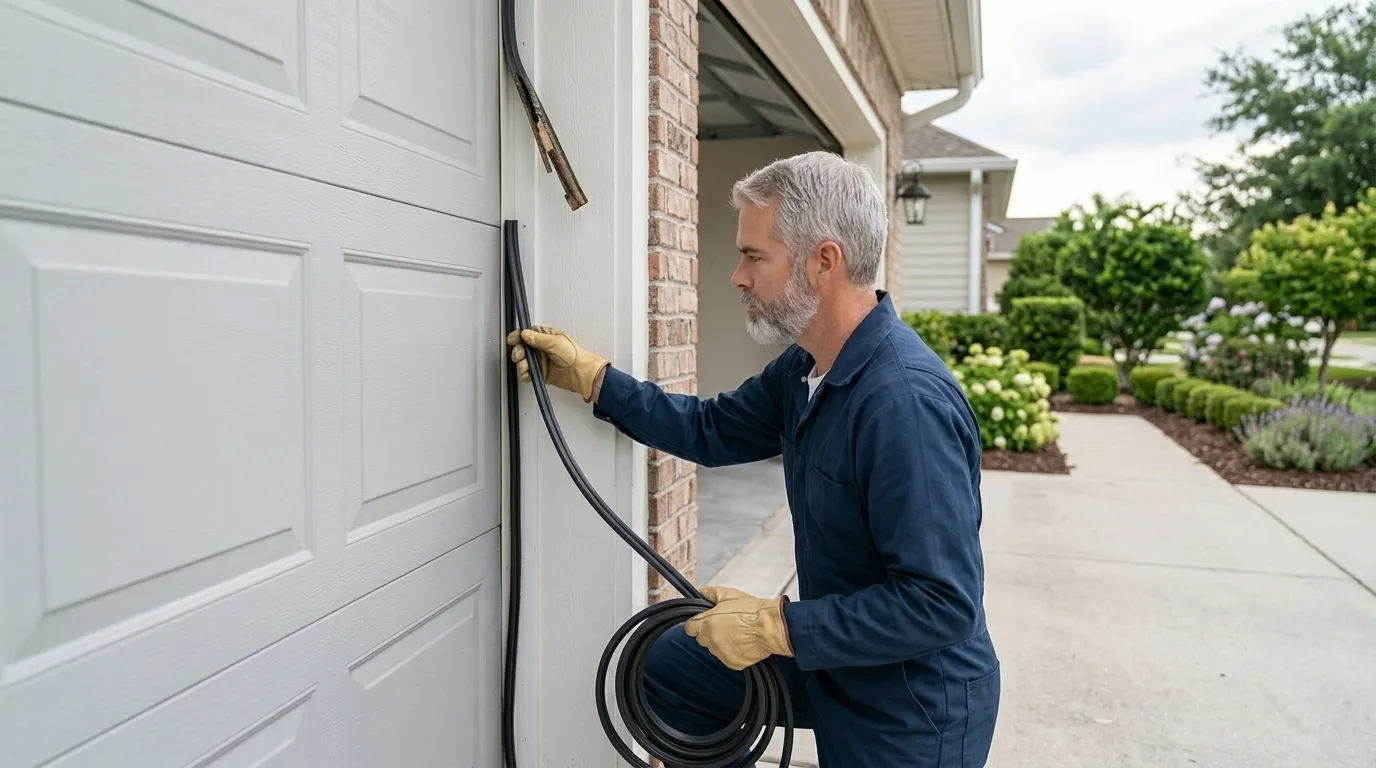
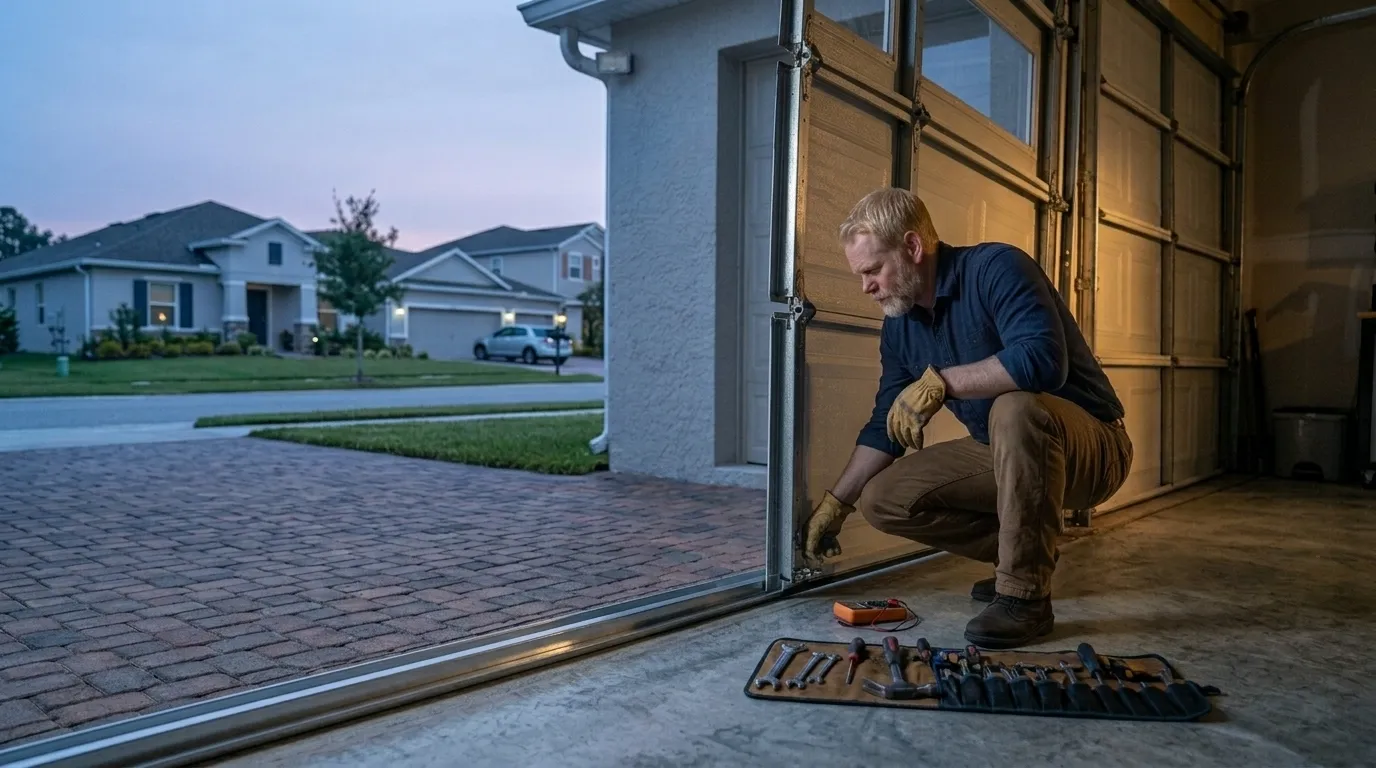
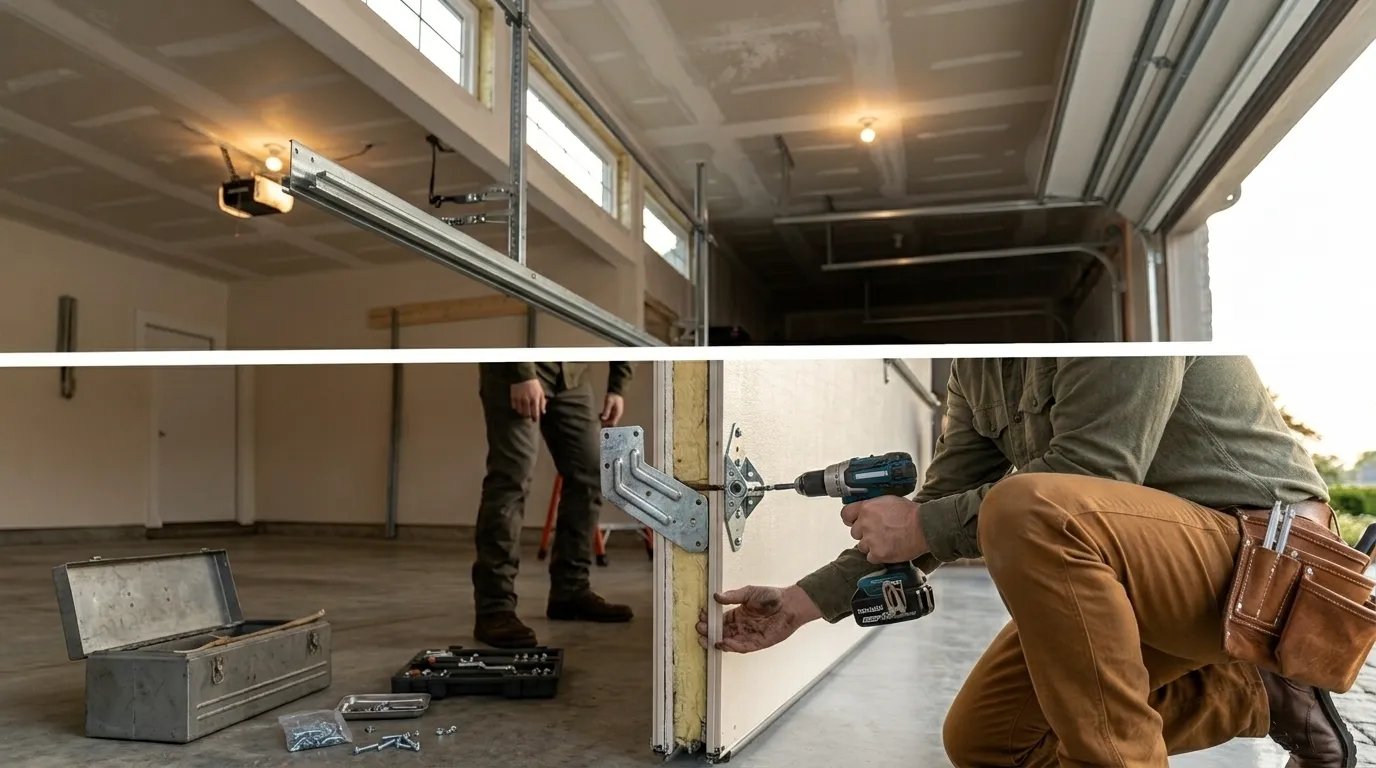
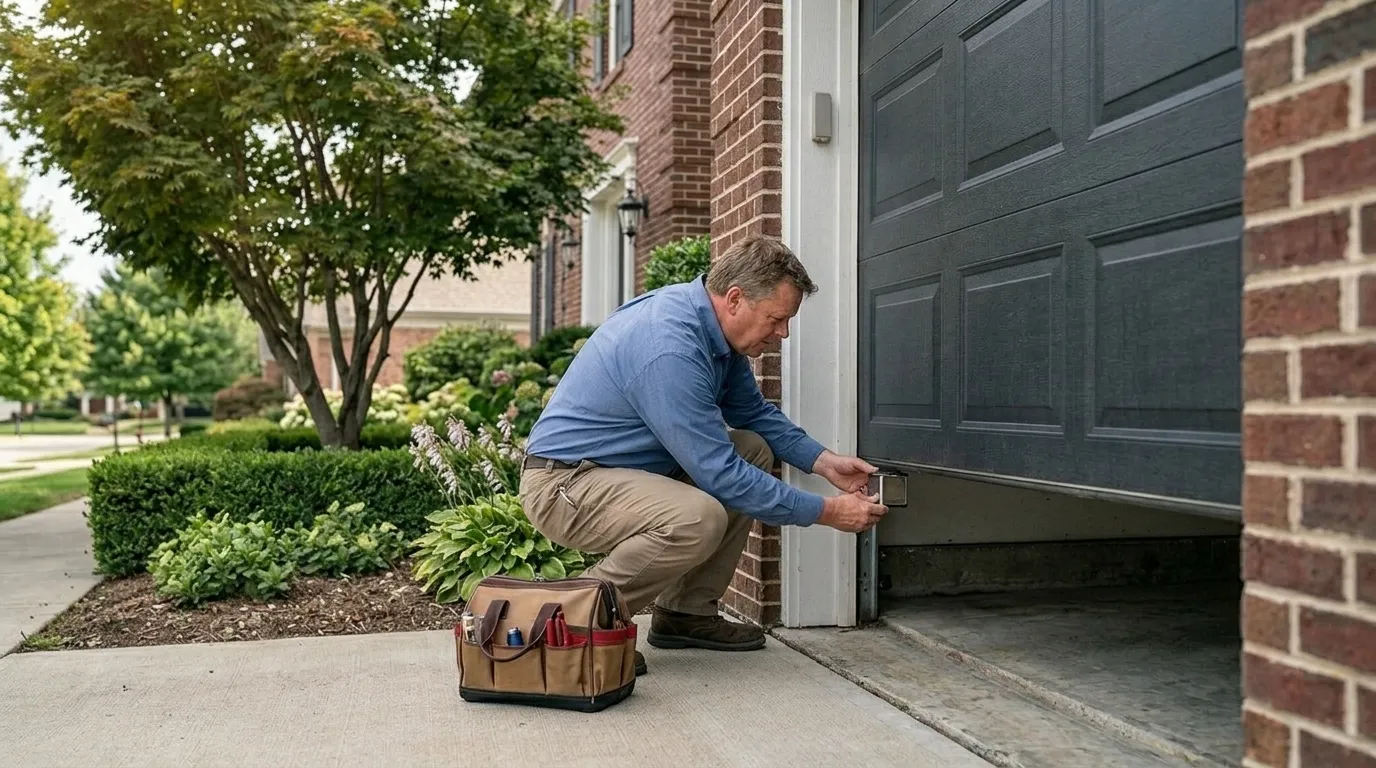
Start by looking at the panel itself in daylight. A single layer of steel with visible ribbing and no backing material is the tell - insulated doors have a foam-filled sandwich construction that's noticeably thicker and heavier. Next, check the bottom seal. On a door this age the rubber astragal has usually hardened and cracked, which is a bigger source of drafts than the panel ever was. Run a hand along the edges where the door meets the frame; daylight gaps at the top corners are common once the door has racked slightly over 30-plus years of cycles. If you've got 12,601 owner-occupied houses across this area and a good share of them fall in that 1980s-90s build window, this is not a rare situation - it's the norm for a big slice of the neighborhood. Check the opener's force settings too, since an old door that's picked up weight from moisture or sagging often gets compensated for with force settings that are too high, which is hard on the opener and the cables both.
When to Get Help
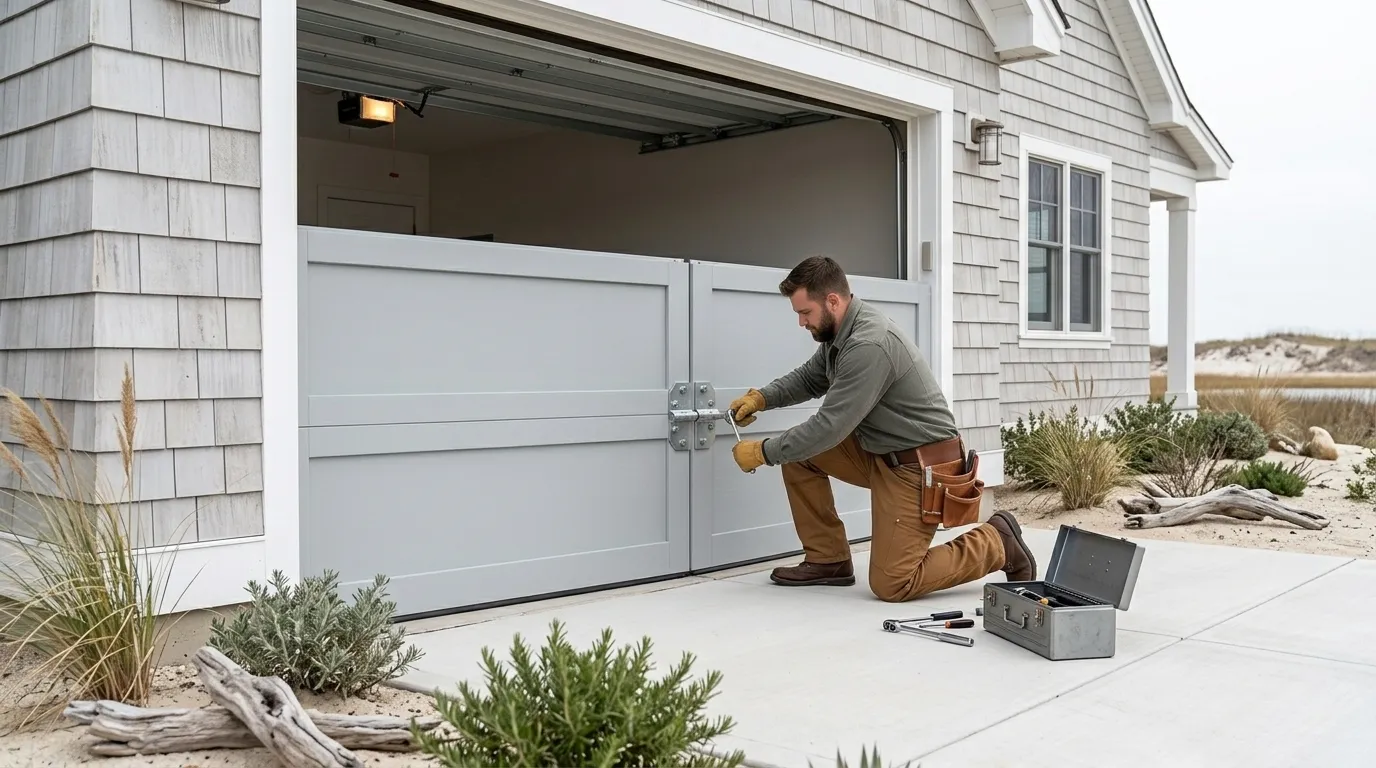
If the door still operates smoothly, opens level, and the spring is doing its job, an insulation retrofit kit or a full panel swap is a project you can plan on your own schedule - there's no urgency to it. Where you need a call sooner rather than later is if you're seeing that rack at the top corners, if the bottom seal is gone and there's noticeable movement in the track when the door cycles, or if the opener's been fighting the door's weight for a while, because that's a wear pattern on cables and rollers, not just an insulation problem. One honest limit here: we don't recommend trying to insulate a door with hardware that's already showing spring fatigue or track wear from this age - fix the mechanical side first, or the insulation kit just adds weight to a system already working harder than it should.