Getting It Booked In
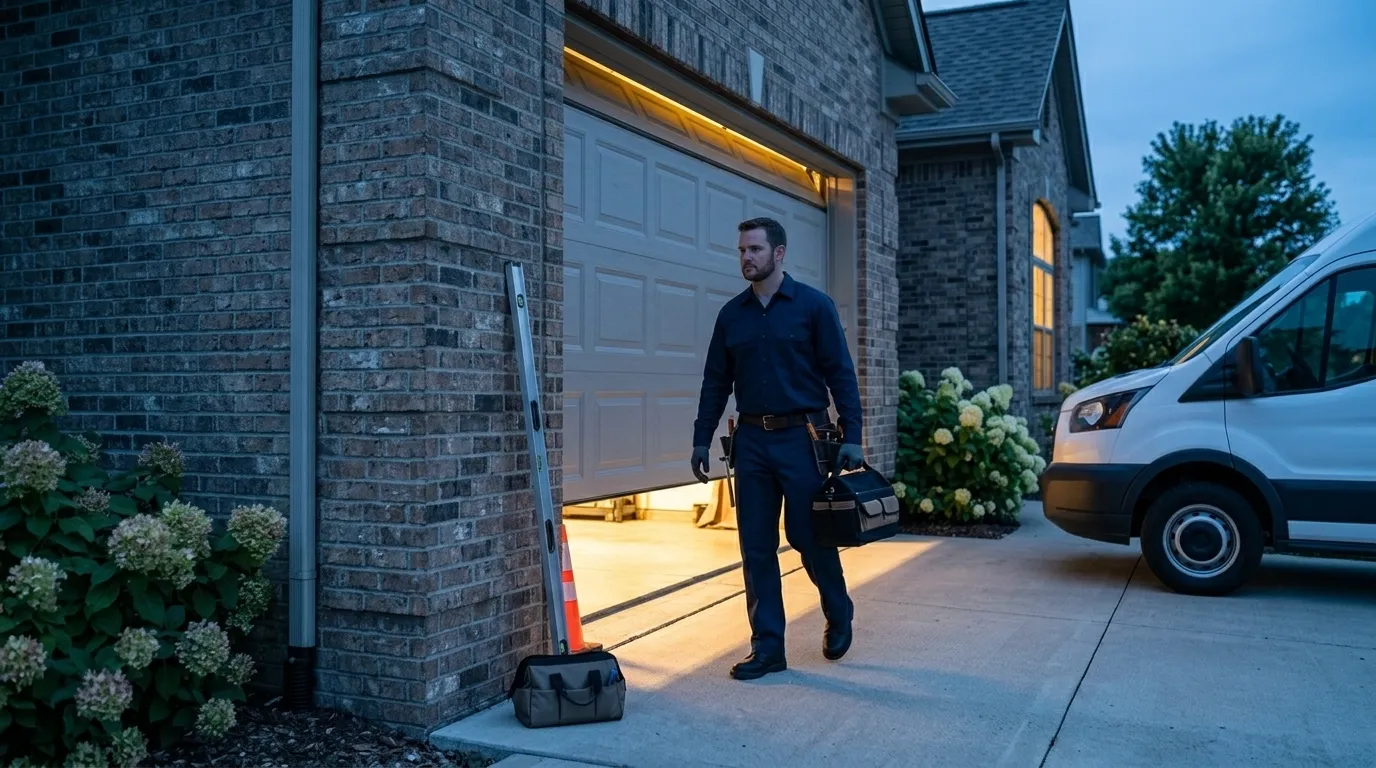
Call and tell us what the door is doing - whether it's stuck, off track, or the opener just clicks. We ask about the age of the house and the door because Weatherford's housing runs mostly 1966 to 2010, with a median build year around 1990, and that range tells us a lot about what kind of spring, track, and opener hardware is likely on your door before we even open the truck.
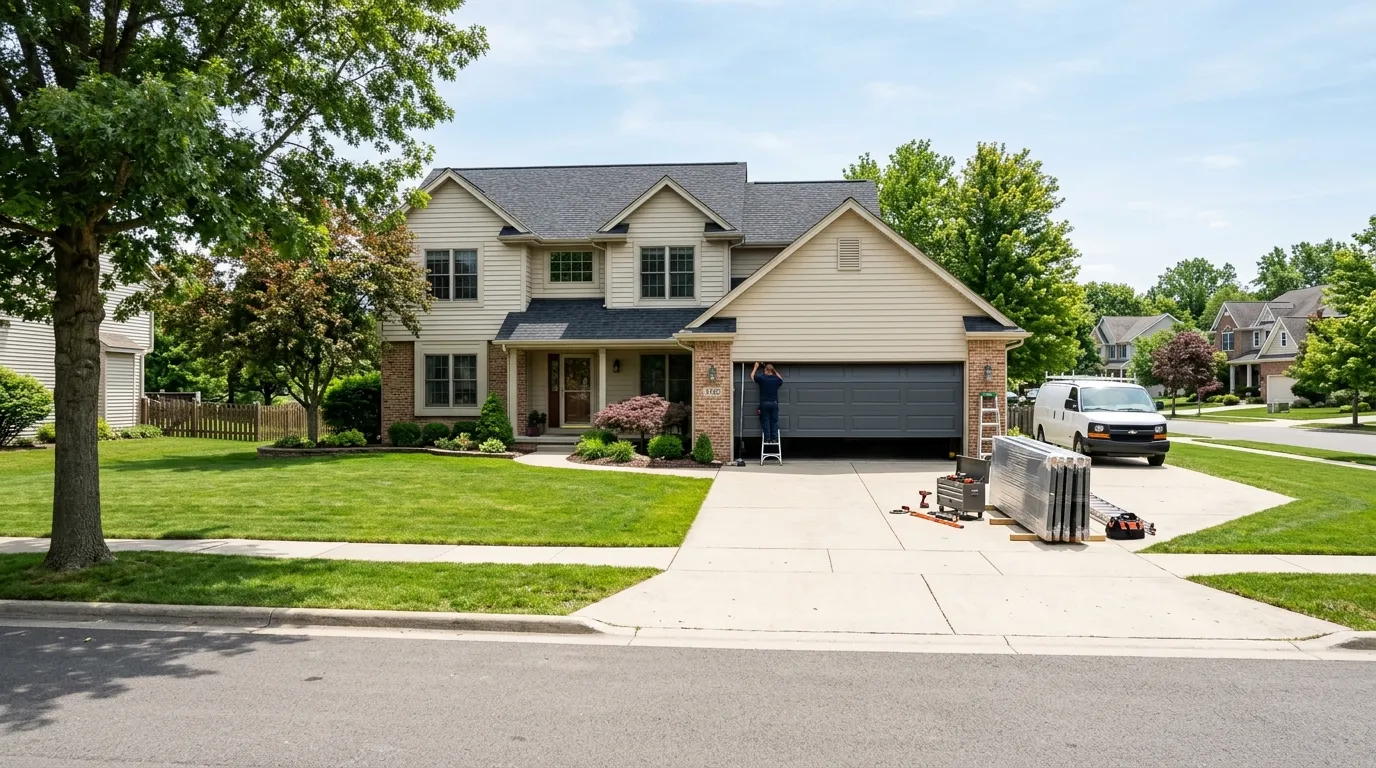
We cover the Weatherford service area and the towns around it - Hudson Oaks 4 miles out, Willow Park at 7, Aledo at 10, Annetta South at 11, Horseshoe Bend and Millsap at 14, Springtown at 16, and Lakeside, Cresson, Reno, White Settlement, and Mineral Wells around 18. Oak Trail Shores rounds out the far edge at 19. Wherever you sit in that spread, we're working on the same era of housing stock and the same wear patterns.
One limitation worth saying up front: if your door needs a part that's been discontinued - which happens on some of the older openers from this build era - we may need to source a compatible replacement rather than an exact match, and that can add a day or two to the job.
What Causes It Around Here
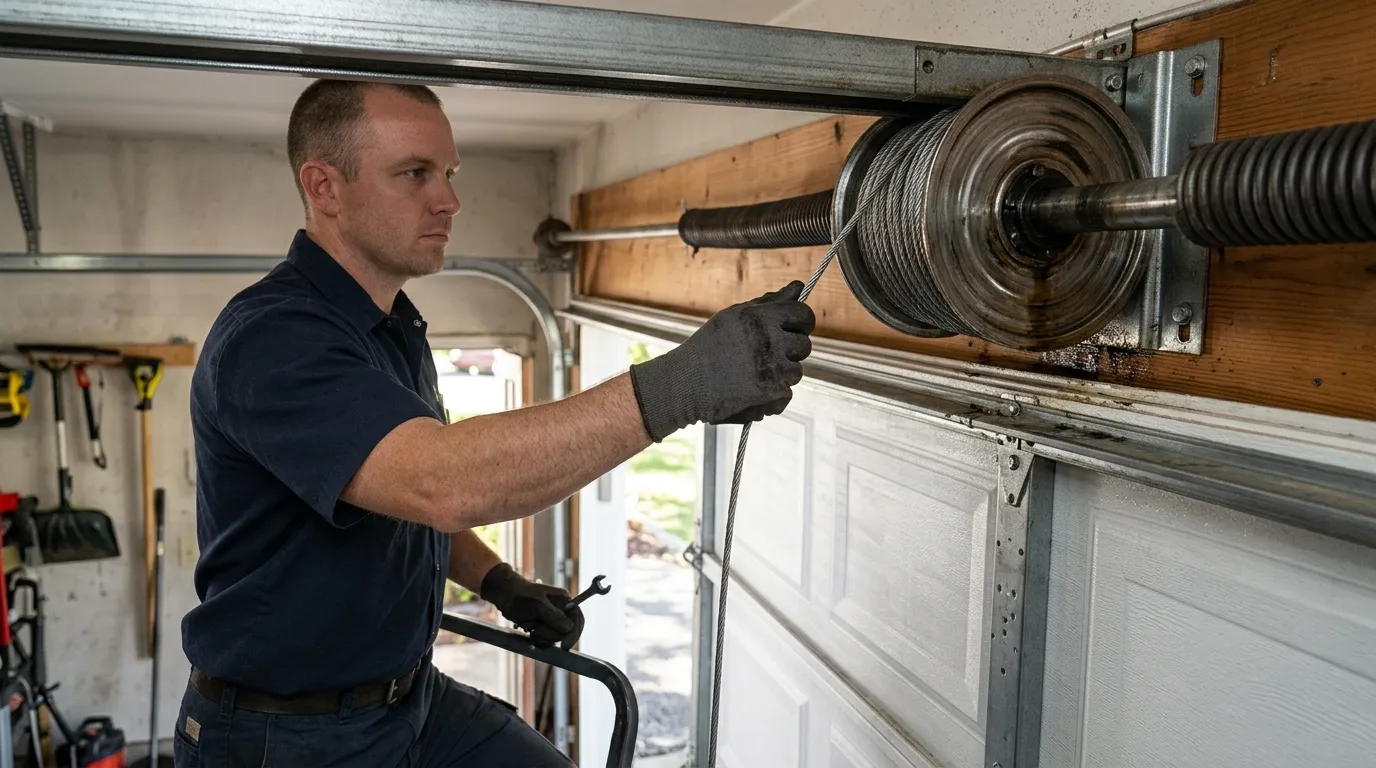
Across the 13 named areas in this service territory, the housing stock is heavily 1980s and 90s construction. That means a lot of doors are on their second or third opener but still running original torsion spring setups sized for the door weight and headroom standards of that era - standards that don't always match what's sold off the shelf today.
Weatherford sits in a moderate heat climate band, which is gentler than the extreme heat zones father south, but it still means daily expansion and contraction on steel tracks and springs, especially on garages that face full sun most of the day. Over 20-plus years that cycle fatigues a torsion spring gradually rather than all at once, so a lot of failures here look sudden but were actually building for months.
With 12,601 owner-occupied houses in a service area of 22,168 households, and a median income of $85,625, we see a consistent pattern: homeowners who maintain the house well otherwise, but the garage door - often the largest moving part on the property - gets attention only when something breaks. That's normal. It's also why a lot of the calls we get are for hardware that's been quietly wearing out since the house was built or last renovated.
What You Are Seeing
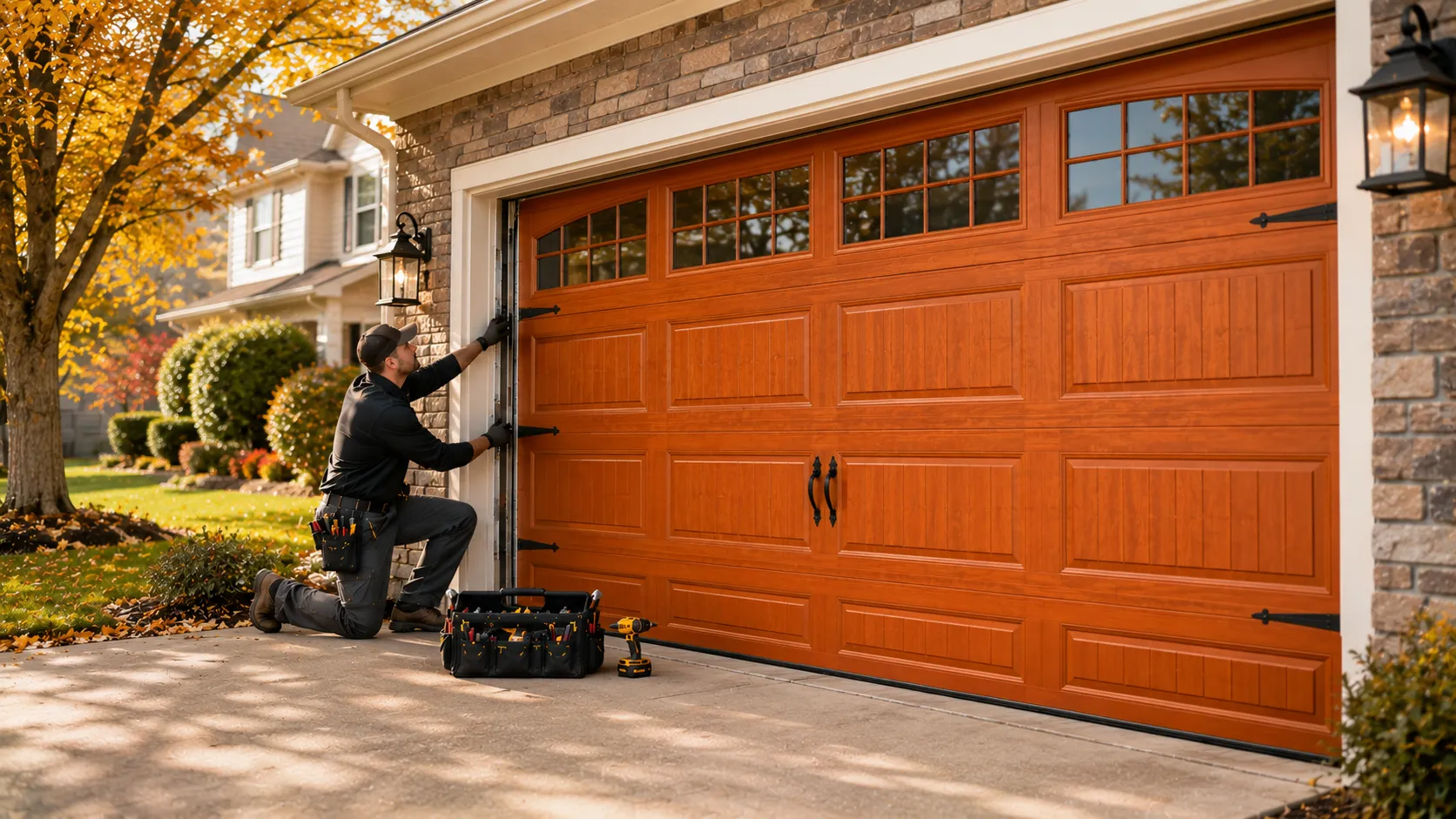
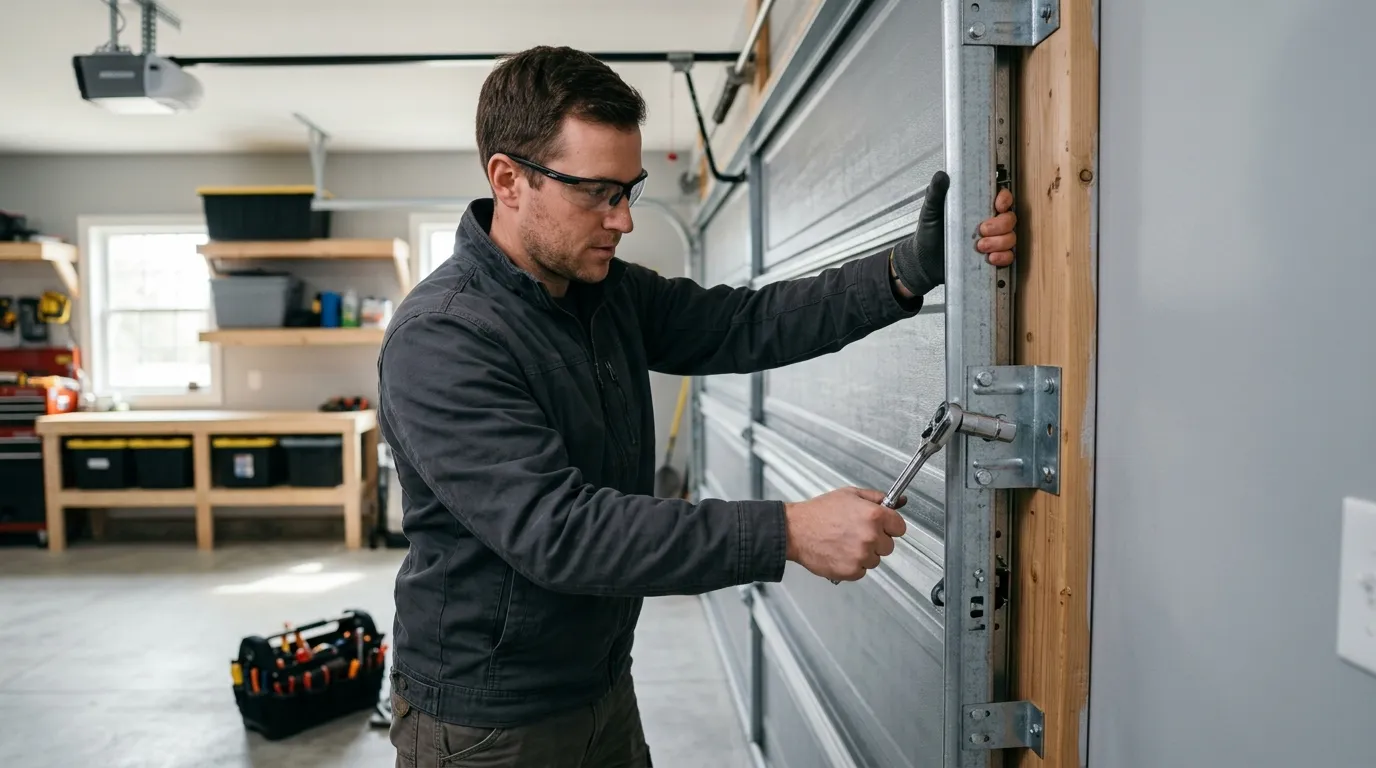
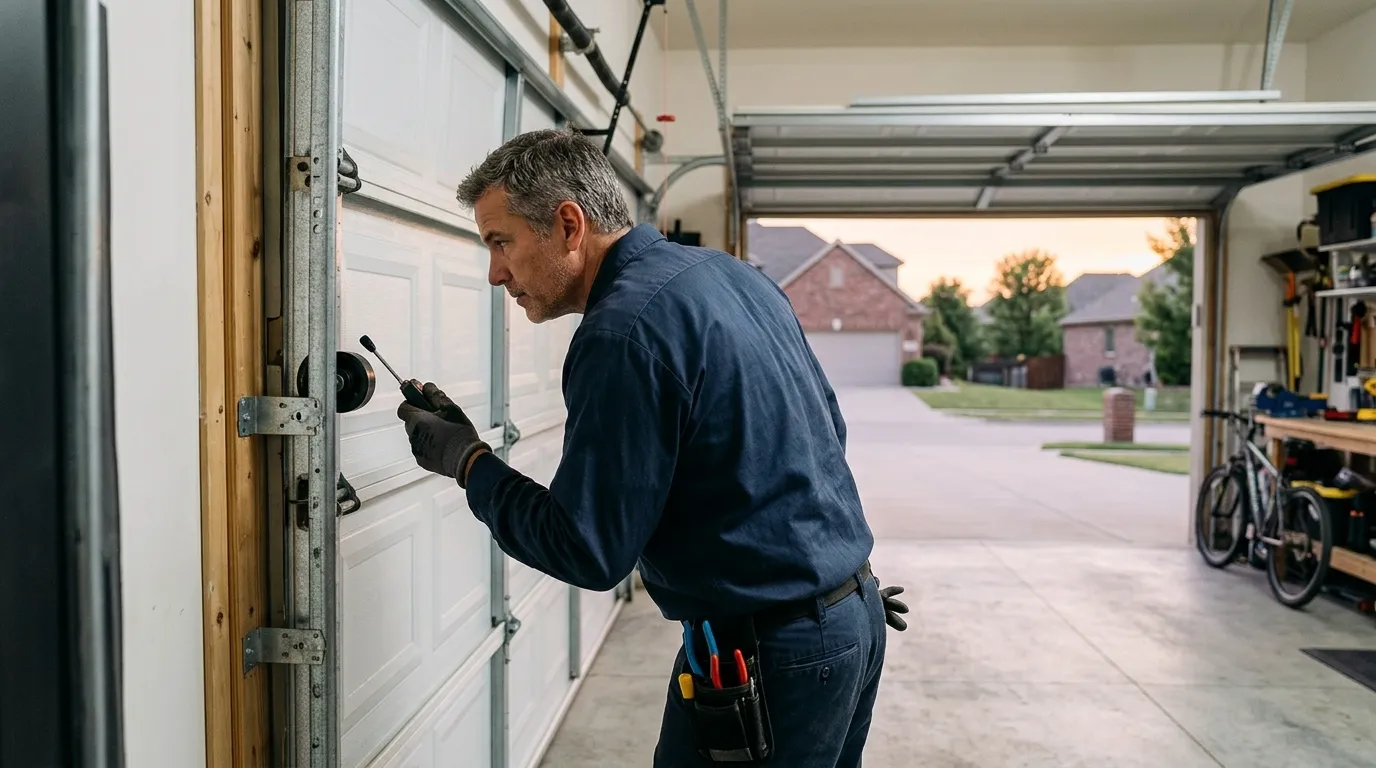
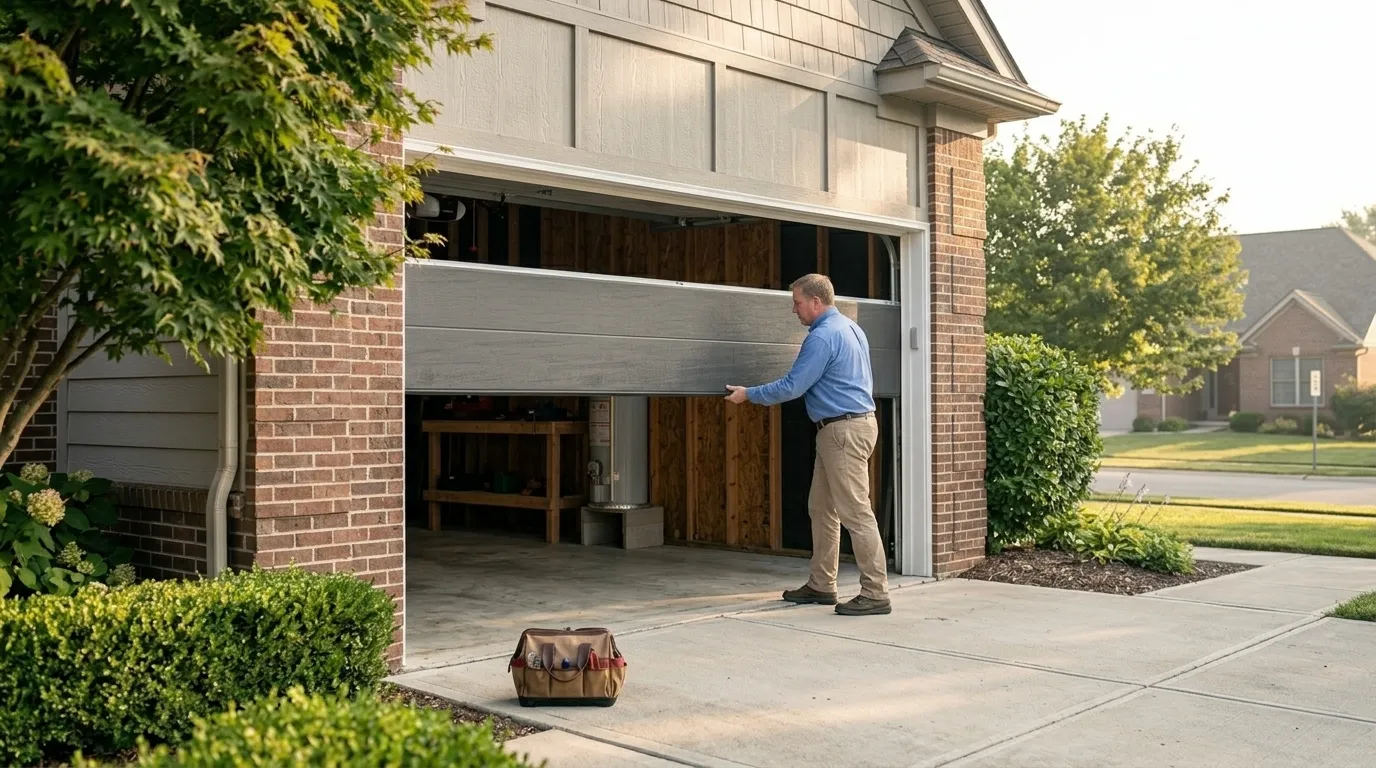
A door that won't budge, or moves an inch and stops, usually means a broken torsion spring - common on doors installed during the 1980s-90s building wave that makes up most of this area's stock. A door that opens crooked or scrapes one side of the track points to a bent track or a roller that's finally given out after two-plus decades of the daily heat cycling typical of this region.
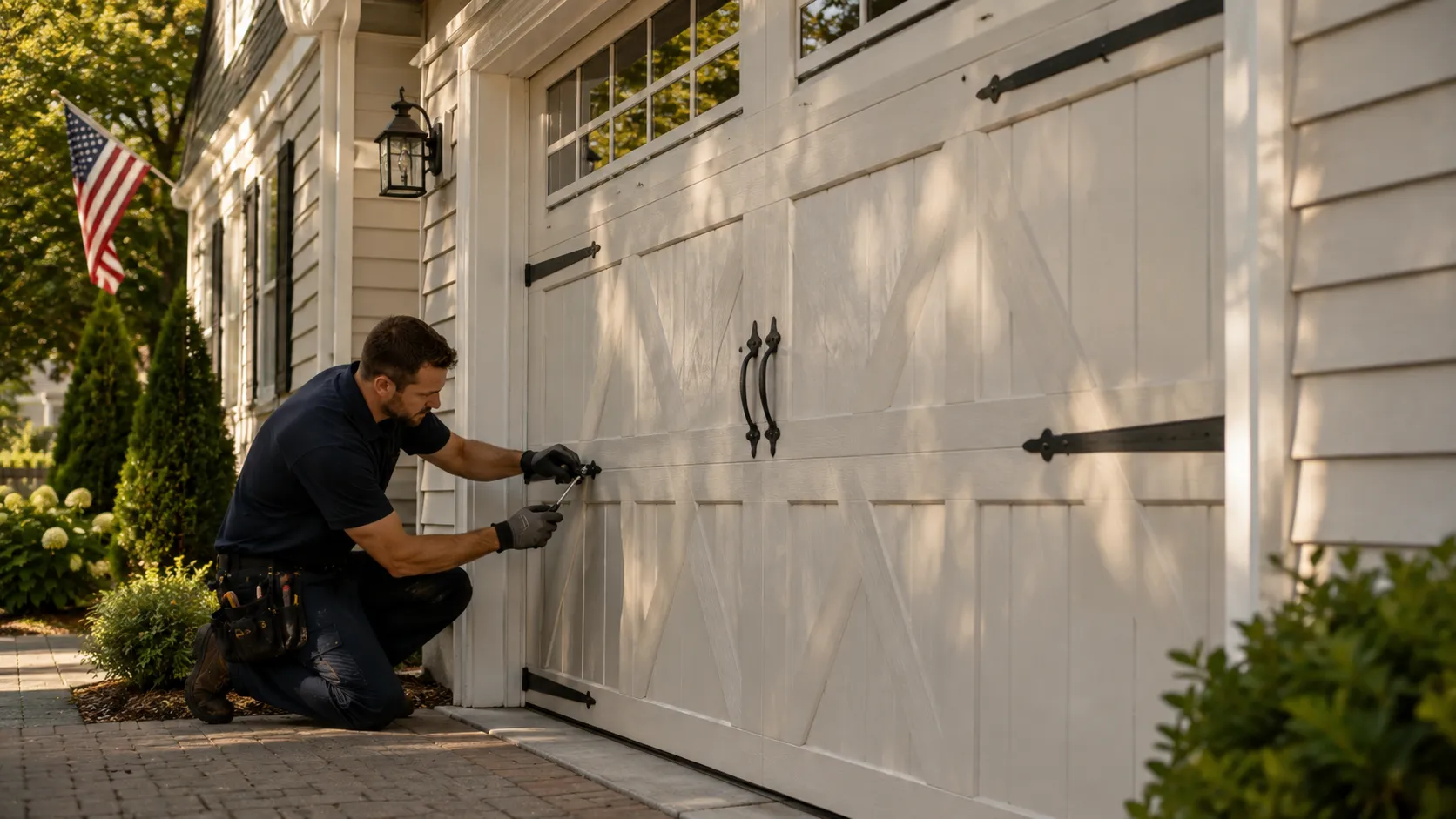
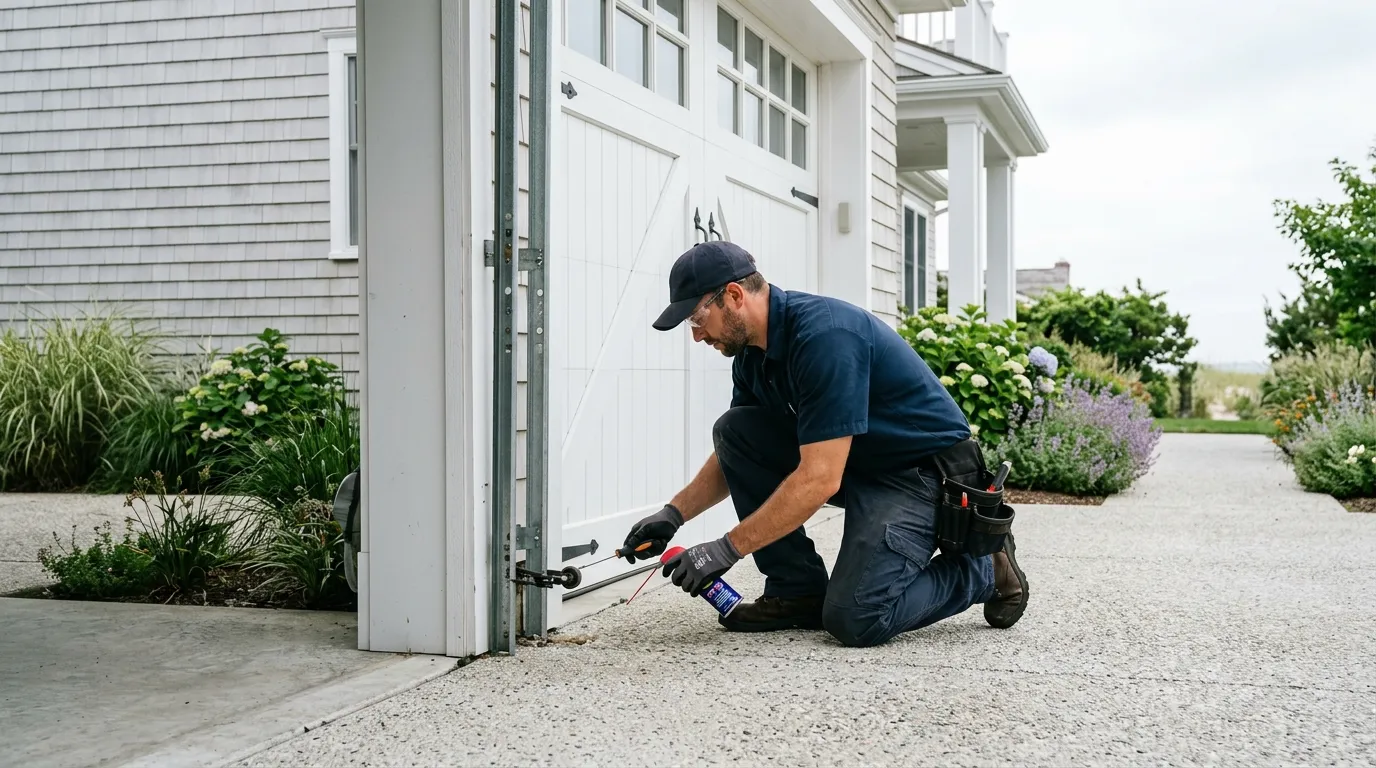
If the opener runs but the door doesn't move, or reverses right after closing, that's often a sensor or force-setting issue rather than the door itself - more common on older opener units that came standard in homes built before smart-home features were expected. A door that's noisy but still working is usually rollers and hinges asking for grease or replacement before they become the next spring failure.
If you're not sure which of these you've got, describe what happens when you press the button - what moves, what doesn't, and any sound - and we can usually narrow it down before we're even at the house.