Getting It Booked In
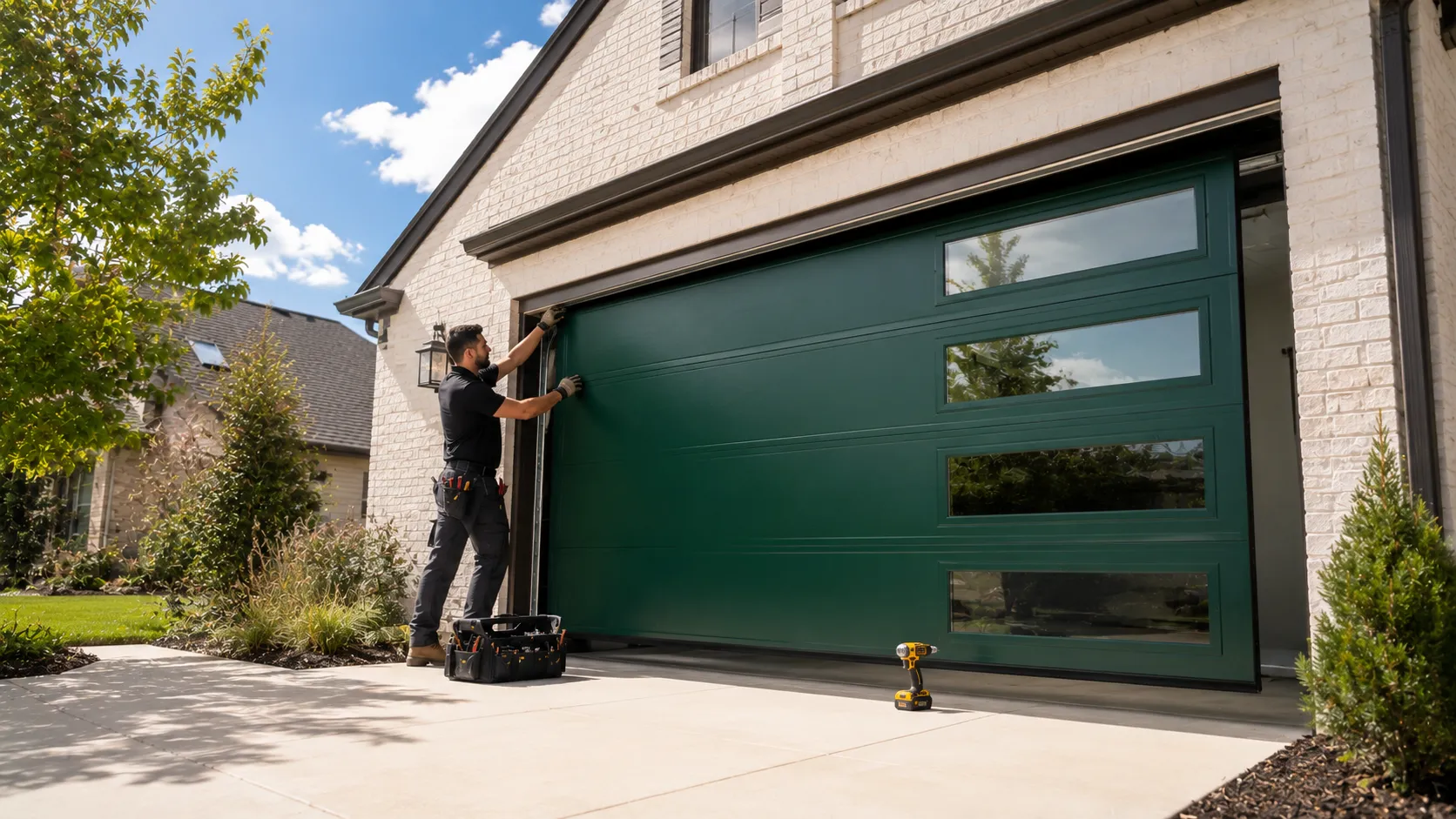
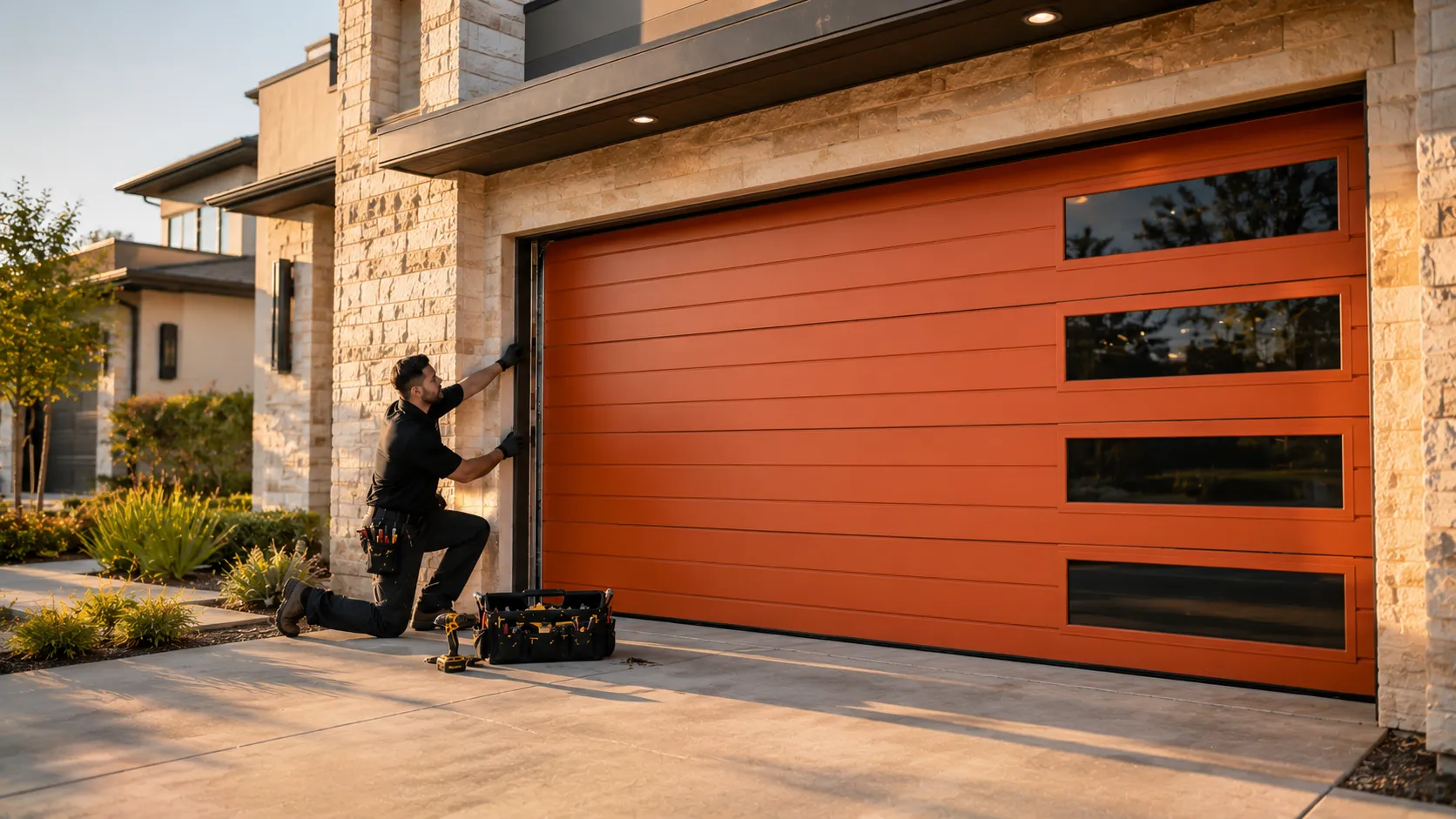
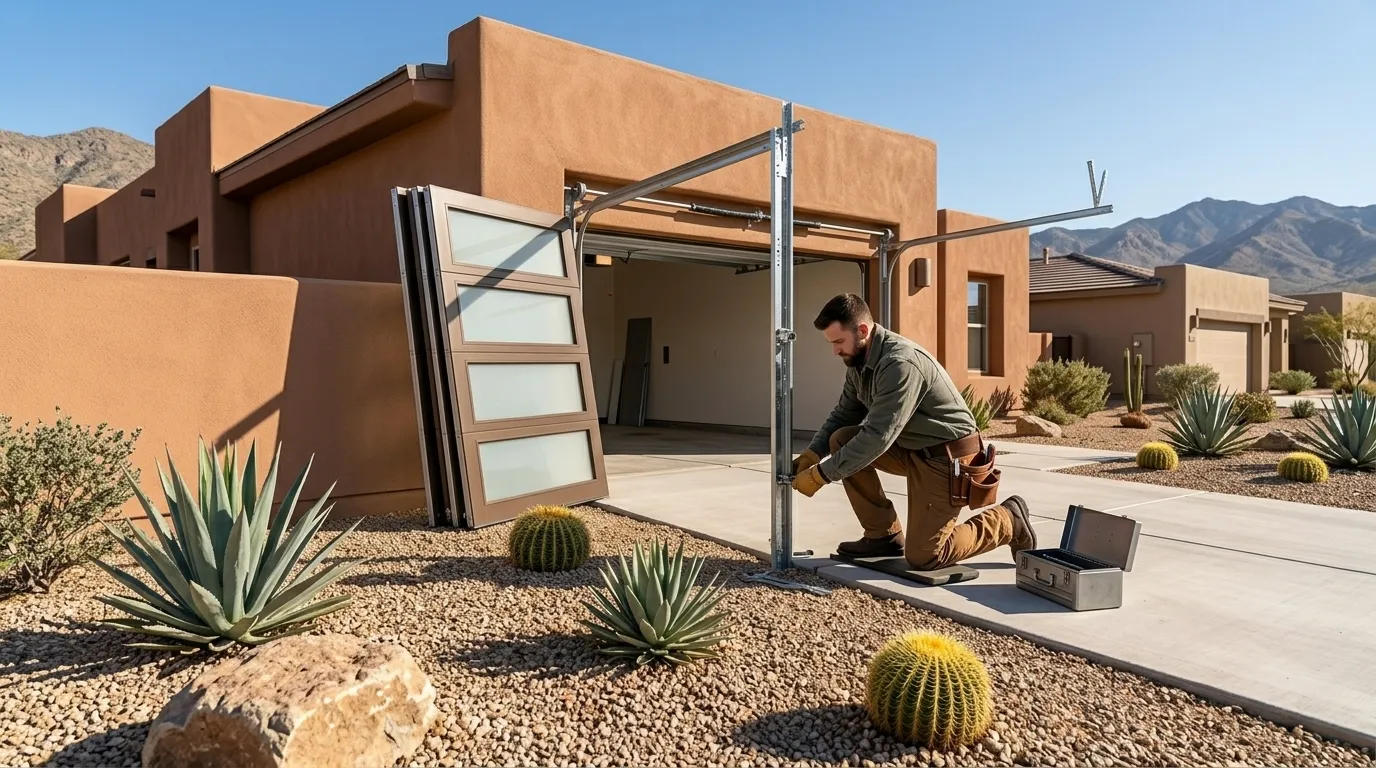
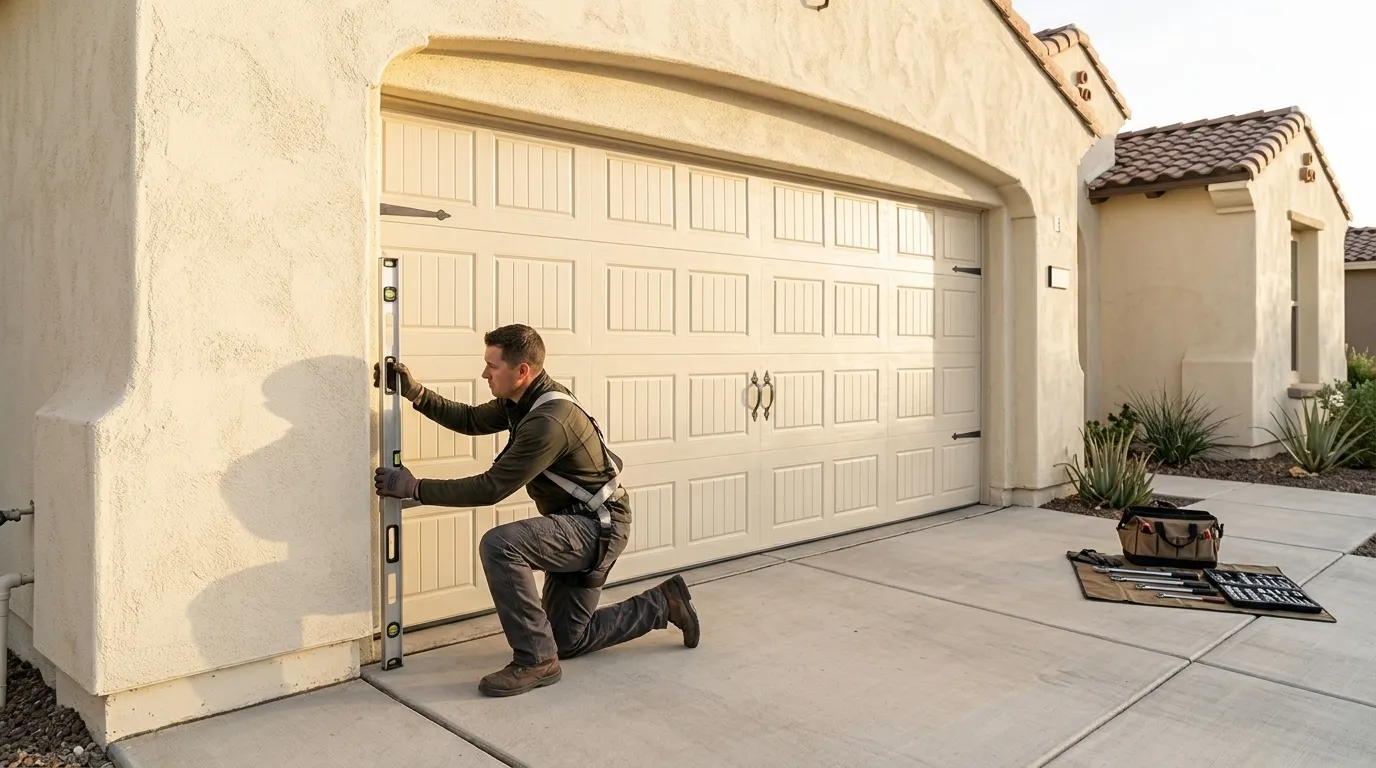
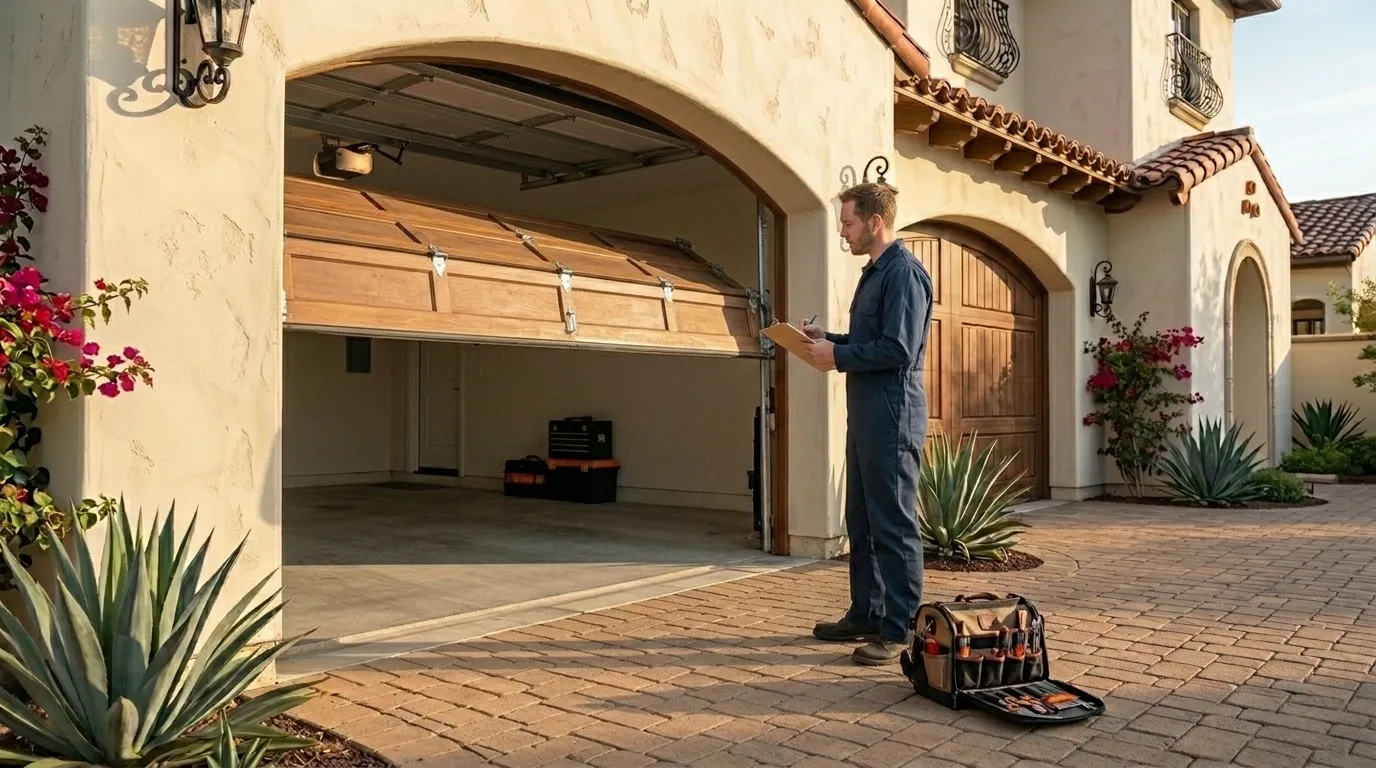
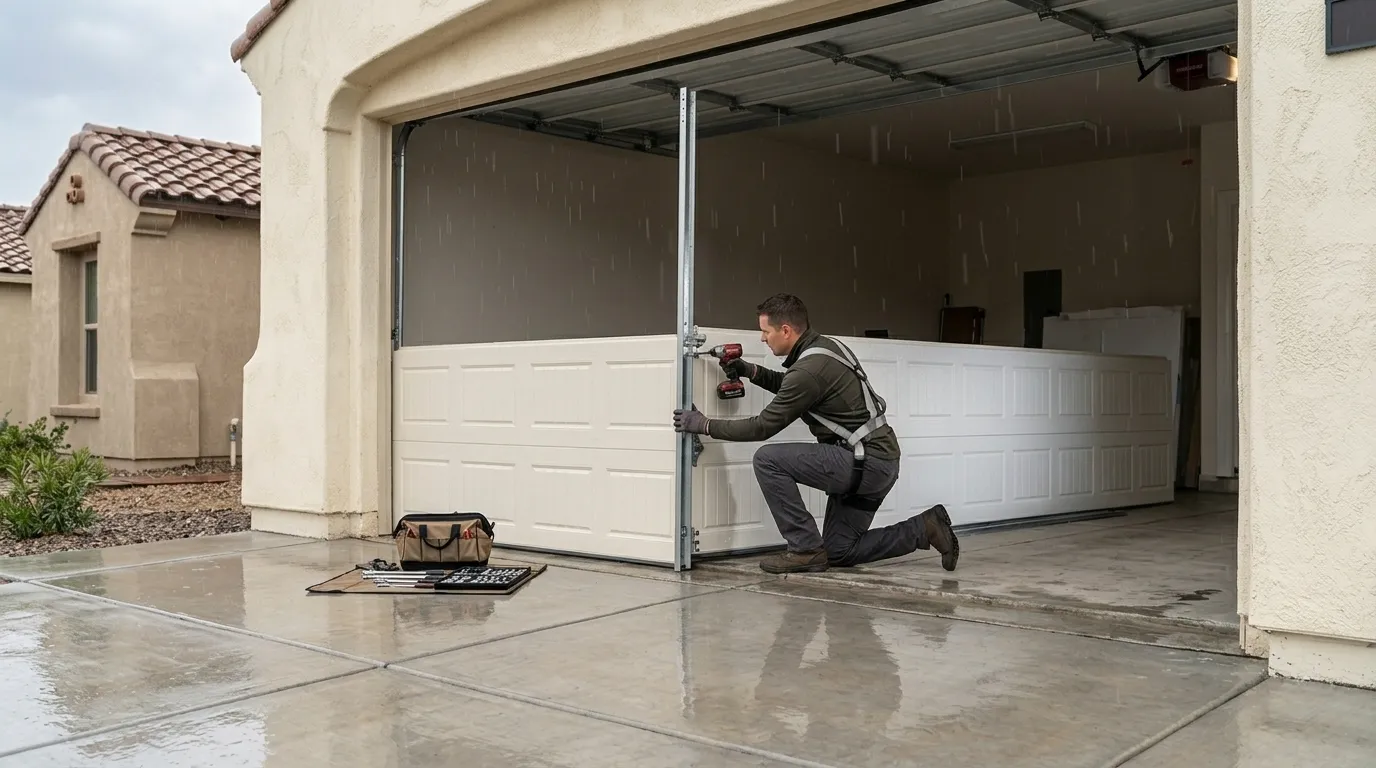
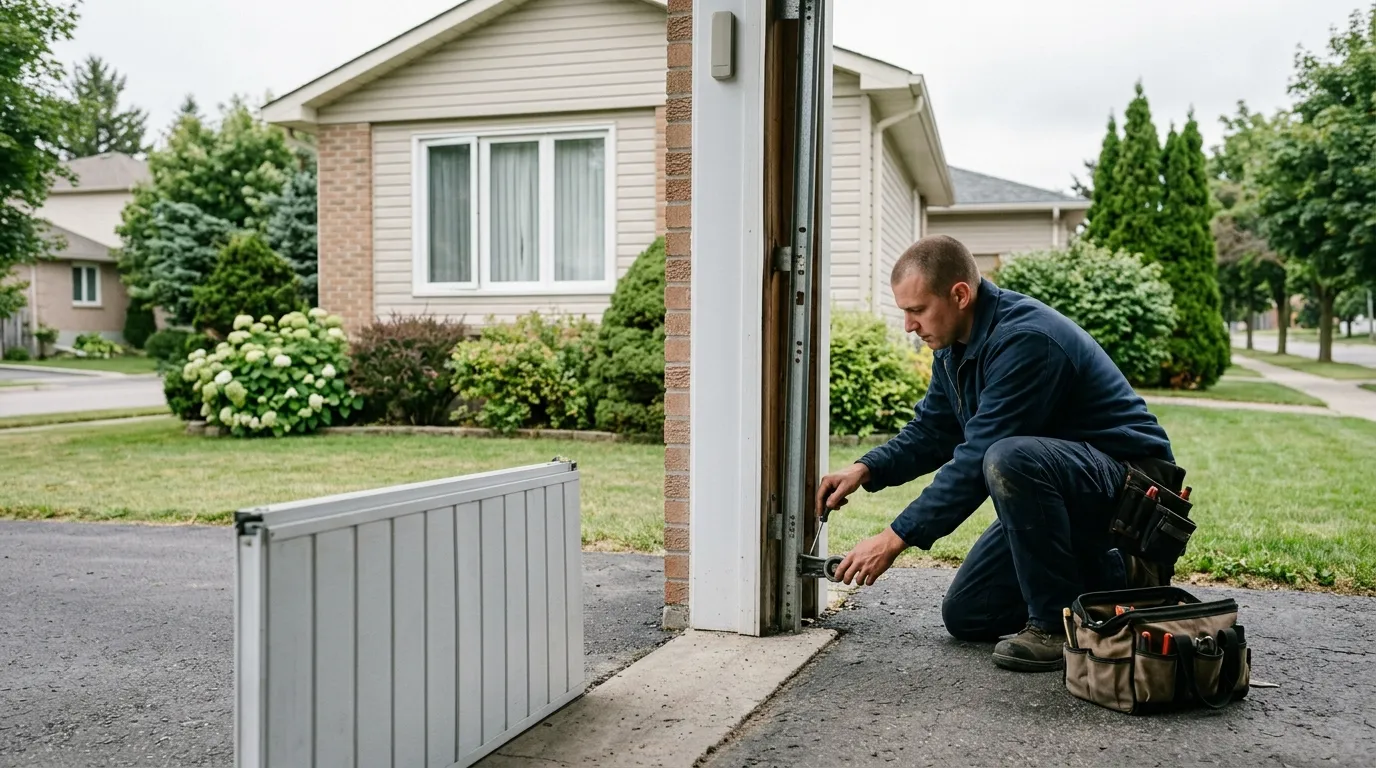
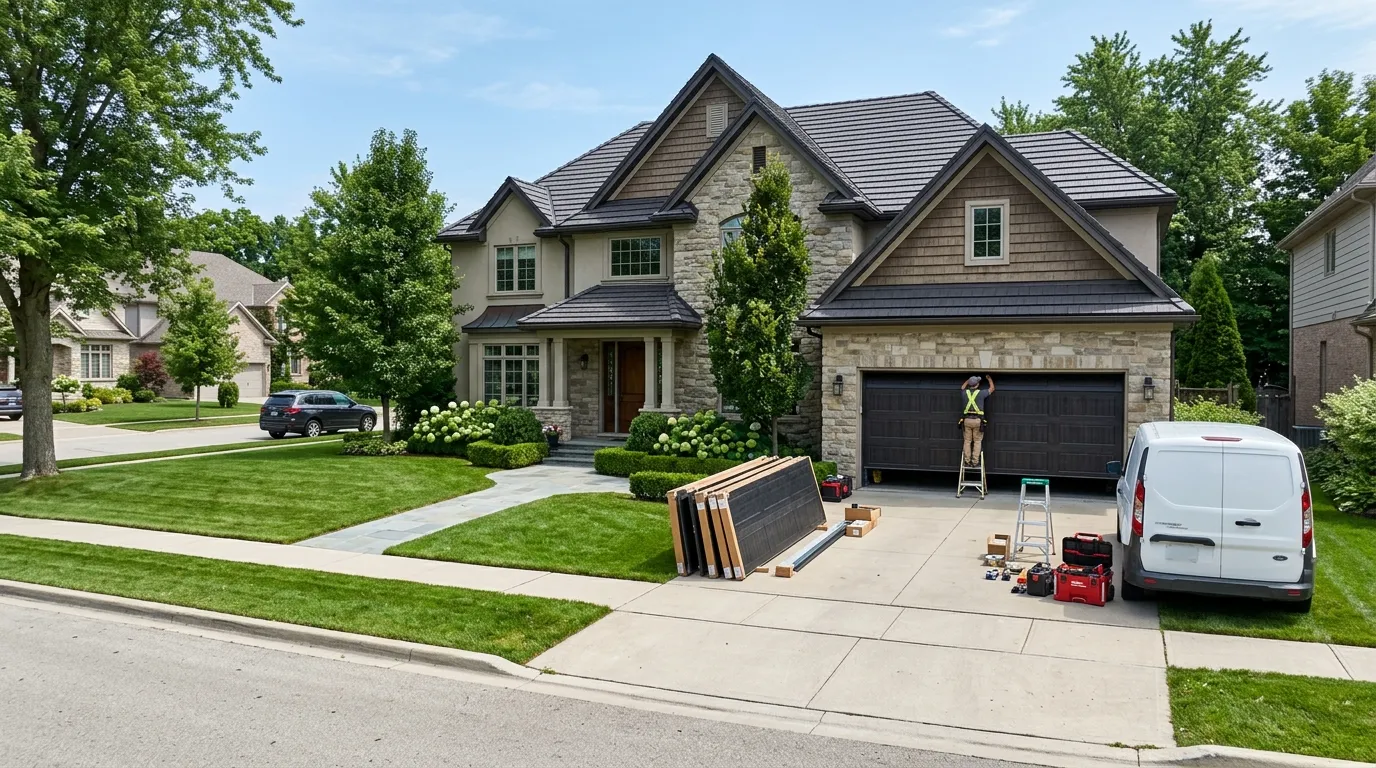
Most installs start with a look at what's already hanging in the opening - the width, the track type, whether the header can carry a heavier insulated door or needs reinforcing. We cover the ground from Hudson Oaks four miles out to Oak Trail Shores nineteen miles out, plus Willow Park, Aledo, Annetta South, Horseshoe Bend, Millsap, Springtown, Lakeside, Cresson, Reno, White Settlement, and Mineral Wells. Tell us the door size, the garage's rough age, and whether you want an opener swapped at the same time, and we can quote before we're on site. If the opening is out of square - common on older slab foundations that have shifted over the decades - that gets measured in person, not over the phone. You can start that on our home page. We schedule around the job in front of us, not a fixed slot system, so a straightforward single-door swap moves faster than a double door with a header repair attached to it.
What Causes It Around Here
Housing across this service area mostly went up between 1966 and 2010, with the median build year sitting around 1990, and the bulk of it - across all thirteen areas we cover - is 1980s and 90s construction. That means a lot of original garage doors are now thirty to fifty years old, still on the springs and rollers the builder put in, and past the point where a repair buys you much time. This area sits in a moderate-heat climate band, not desert-extreme, so we don't see the sun-warping failures you'd get further south - what we see instead is steel skins that have simply fatigued, hardware that's outlived its rated cycle count, and openers original to the house straining to lift doors they were never matched to. With 12,601 owner-occupied houses among the 22,168 households here, a good share of the installs we quote are first-time replacements on a door that's never been swapped since the house was built.
What You Are Seeing
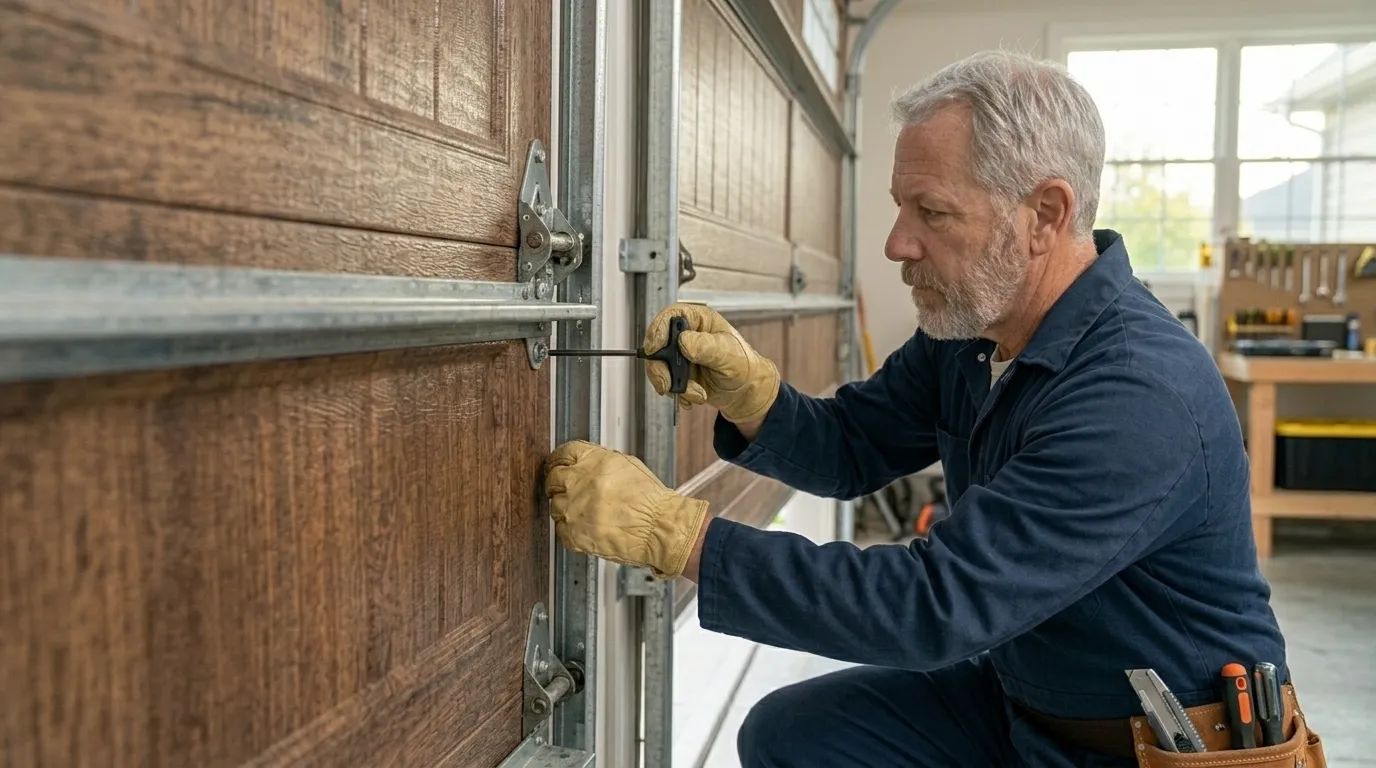
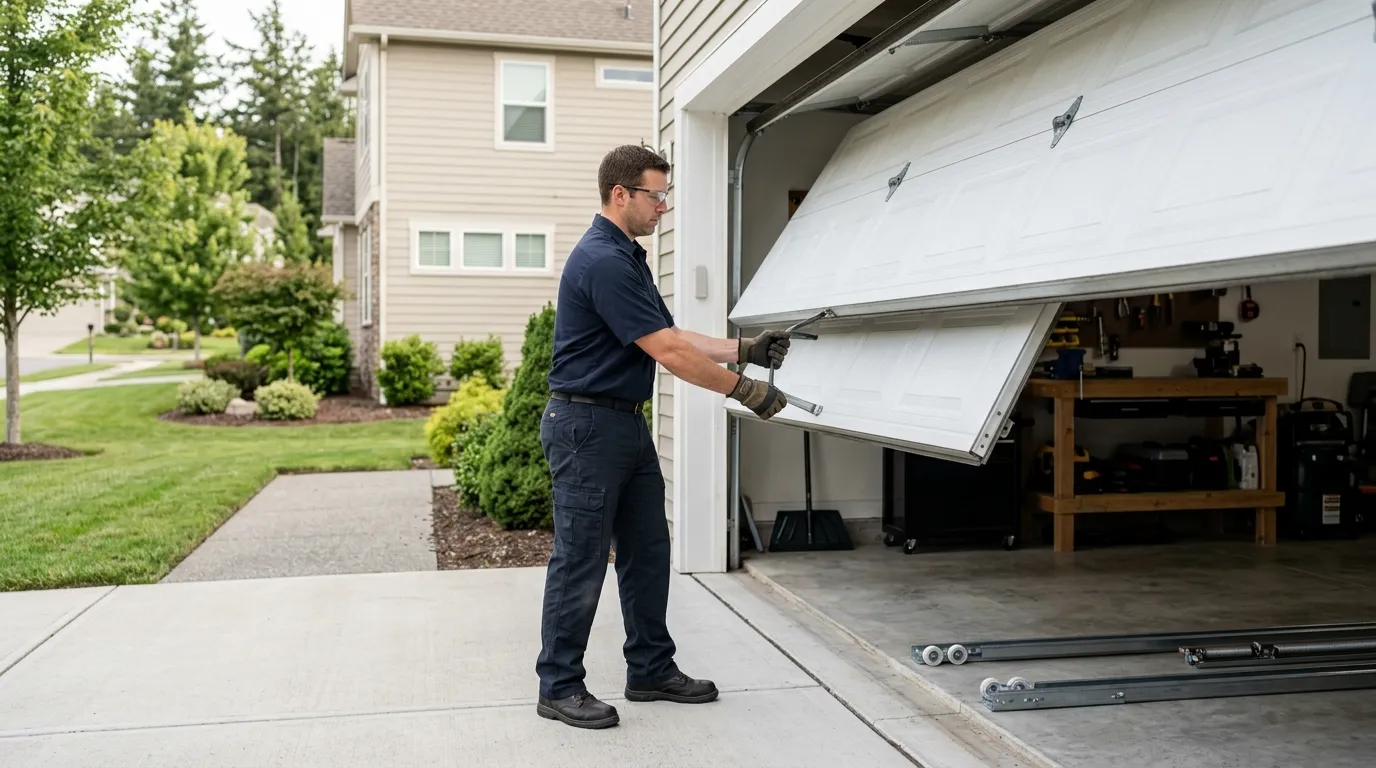
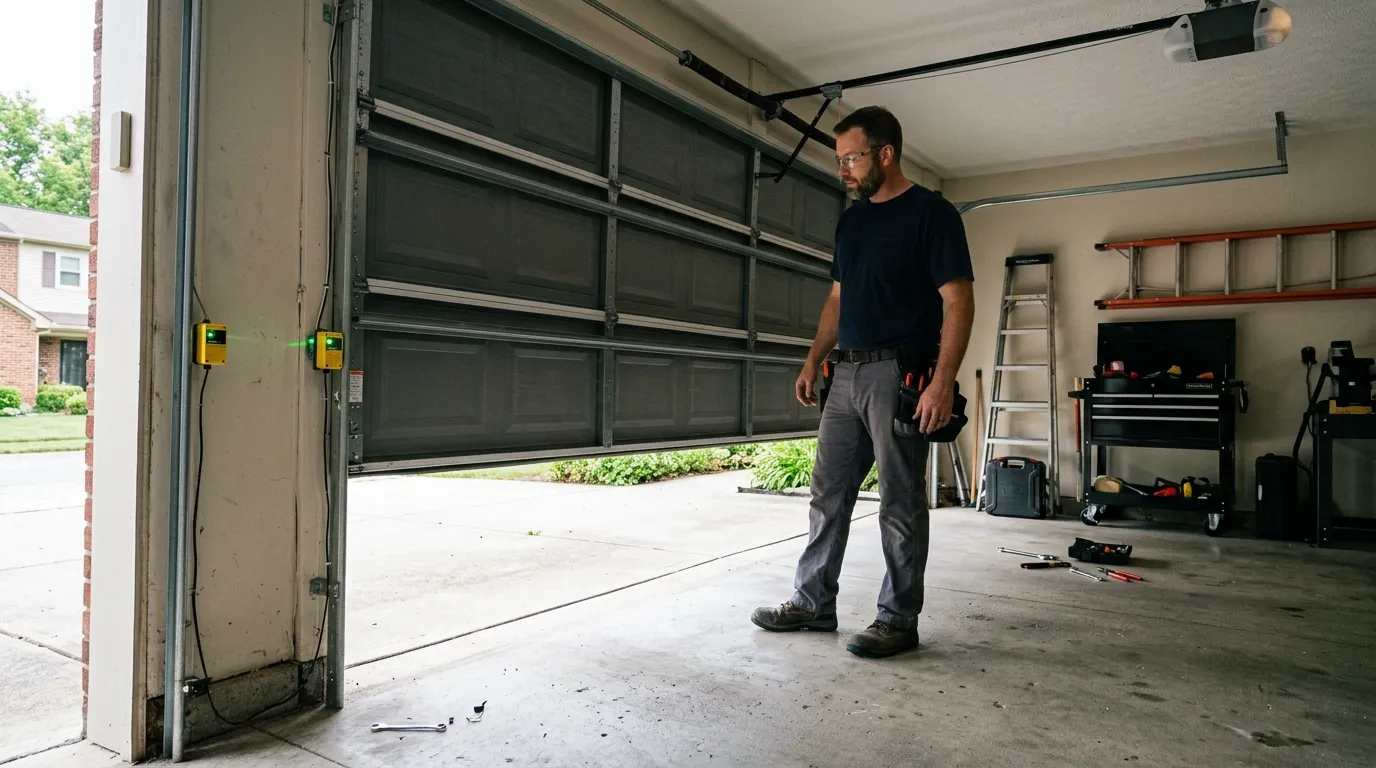
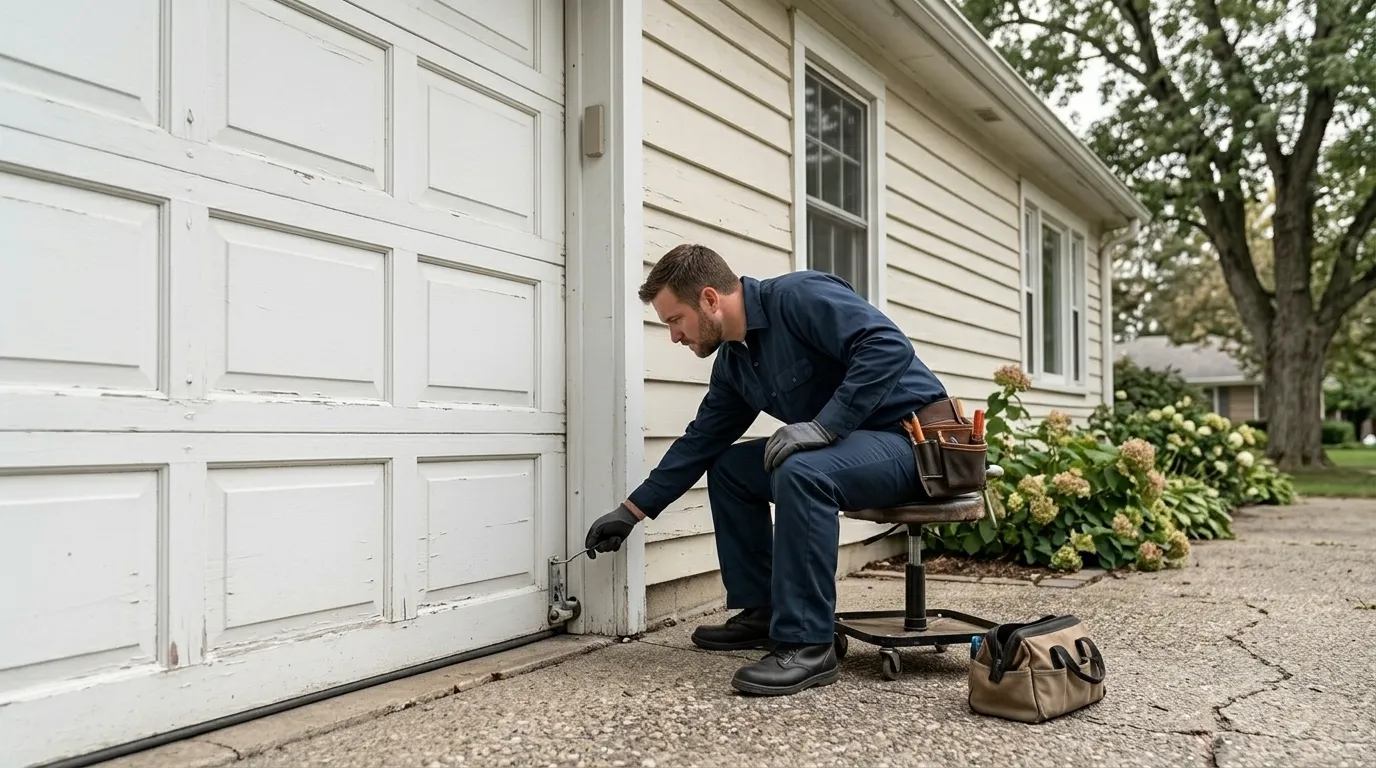
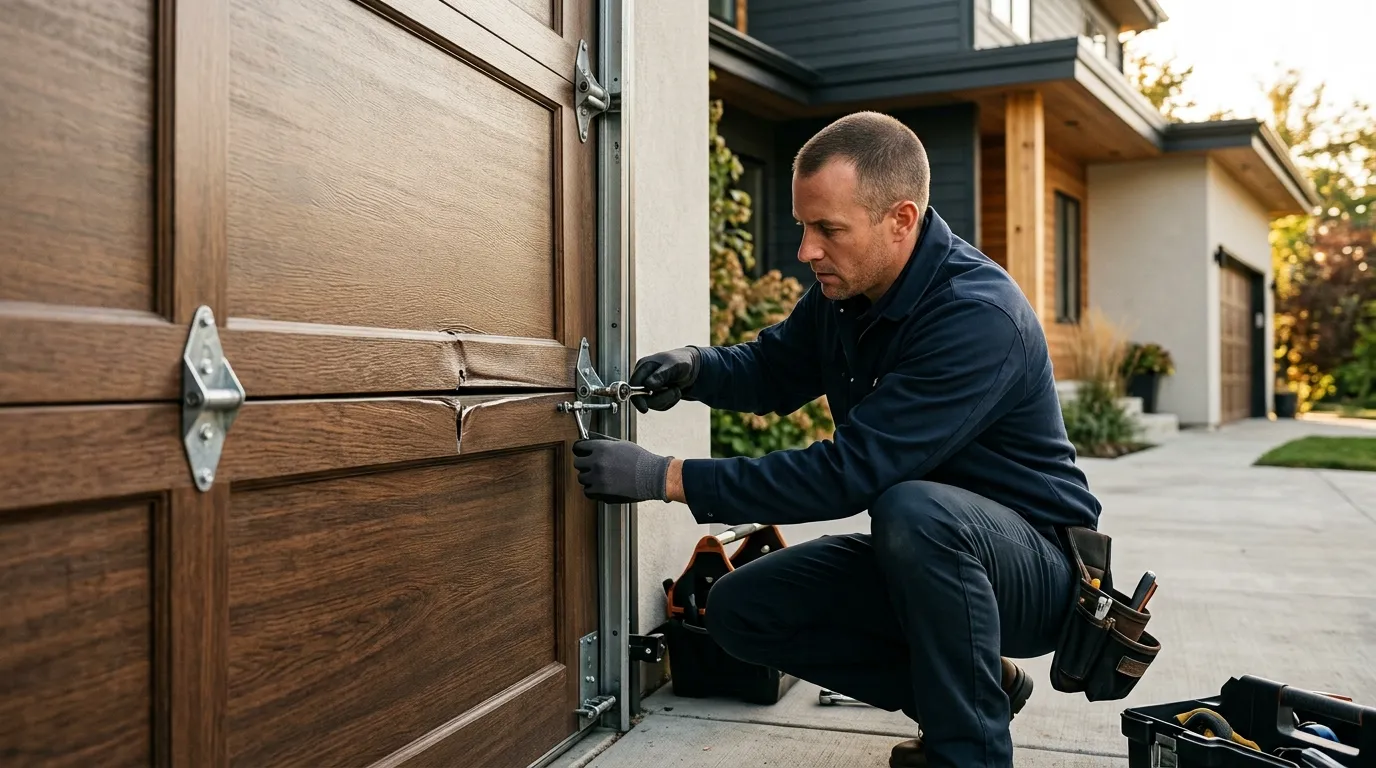
If your door is original to a house built anywhere in that 1966-to-2010 window, look for skins that flex or dent under hand pressure, rollers that have worn oblong instead of round, and an opener that grinds or pauses partway up - all signs the door and hardware are past matched replacement parts. Gaps at the corners that weren't there when the house was newer usually mean the panels have racked slightly over the years, not that the track is simply out of adjustment. A door that's noticeably heavier to lift by hand than it used to be is often carrying old insulation that's absorbed moisture, adding weight the spring was never sized for. None of that is an emergency on its own, but it's the pattern we see most often on the older side of this area's housing stock, and it's usually the point where replacing the door costs less over time than chasing another repair on hardware nobody makes anymore.