Getting It Booked In
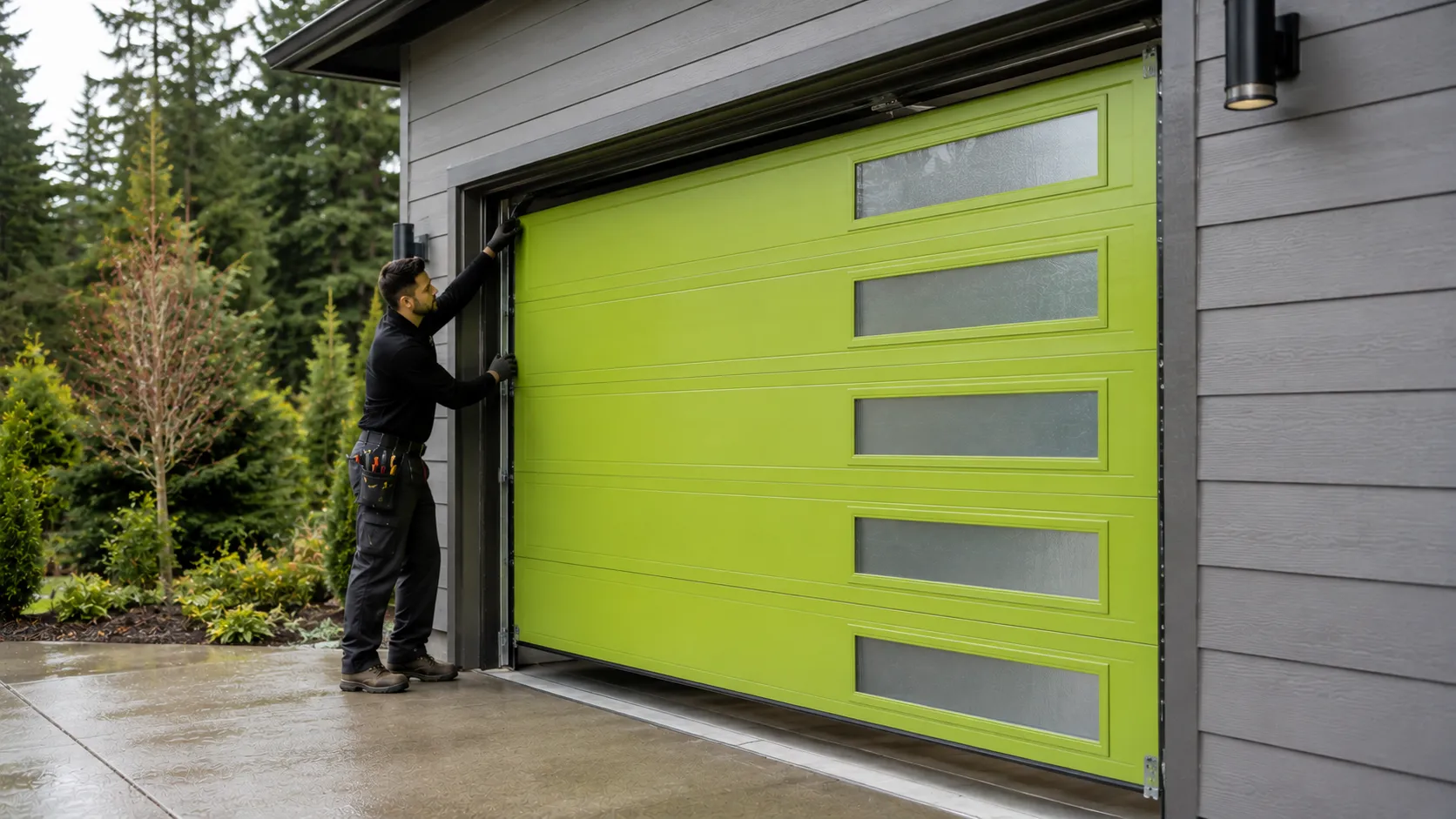
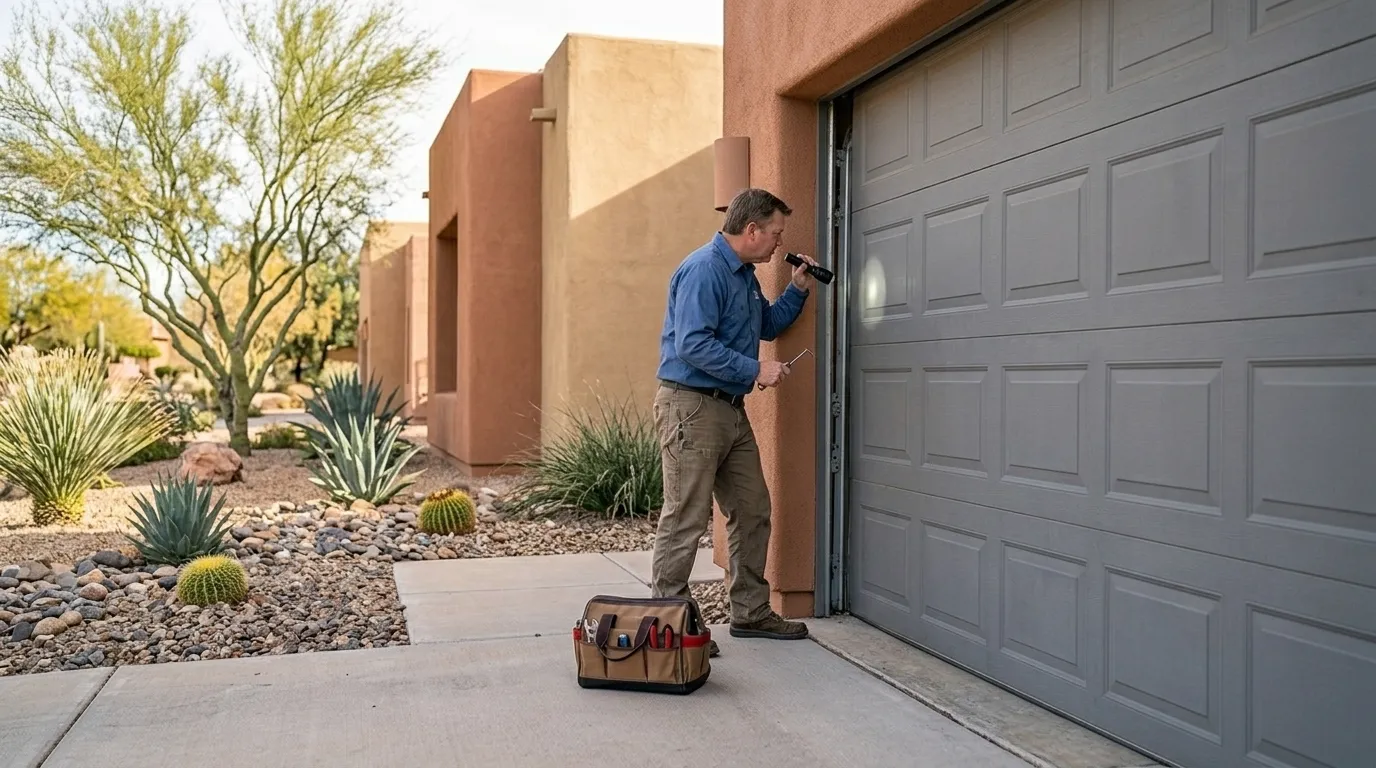
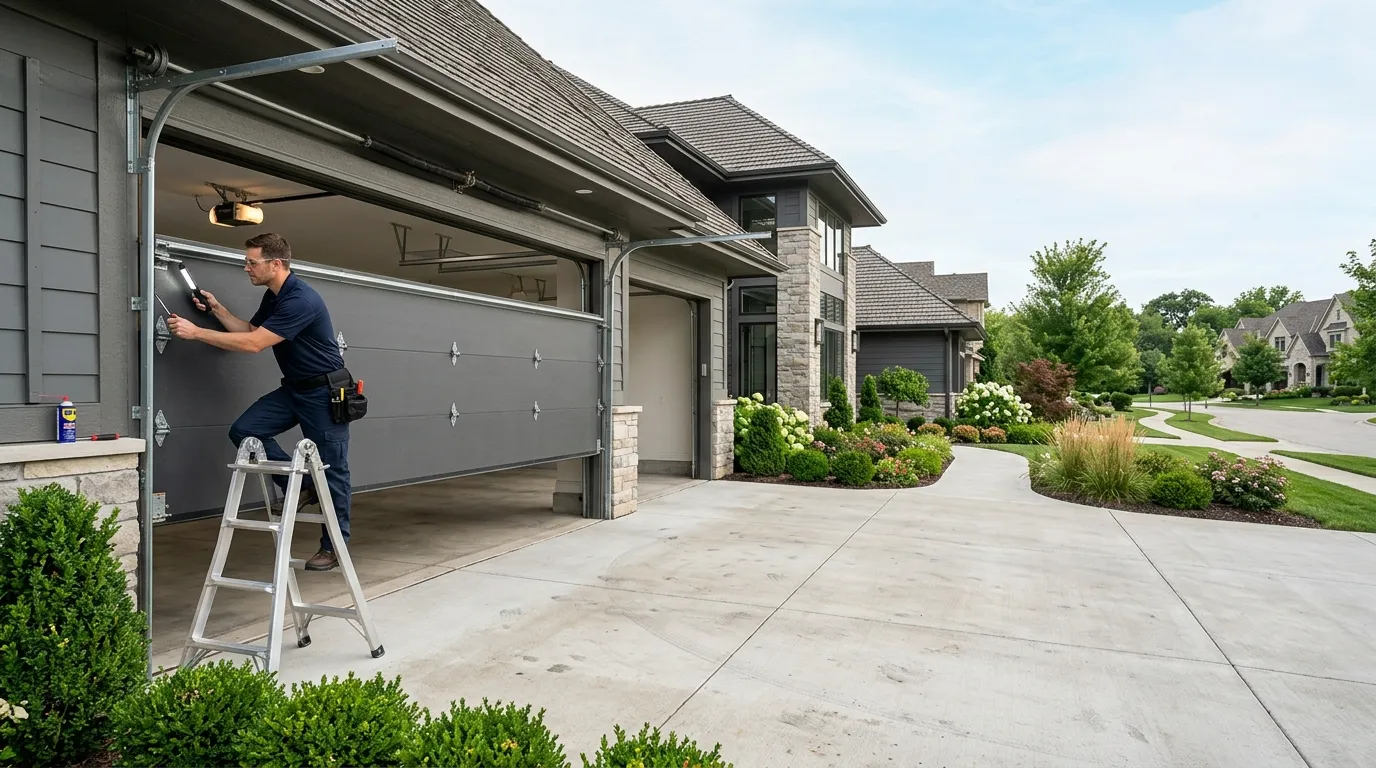
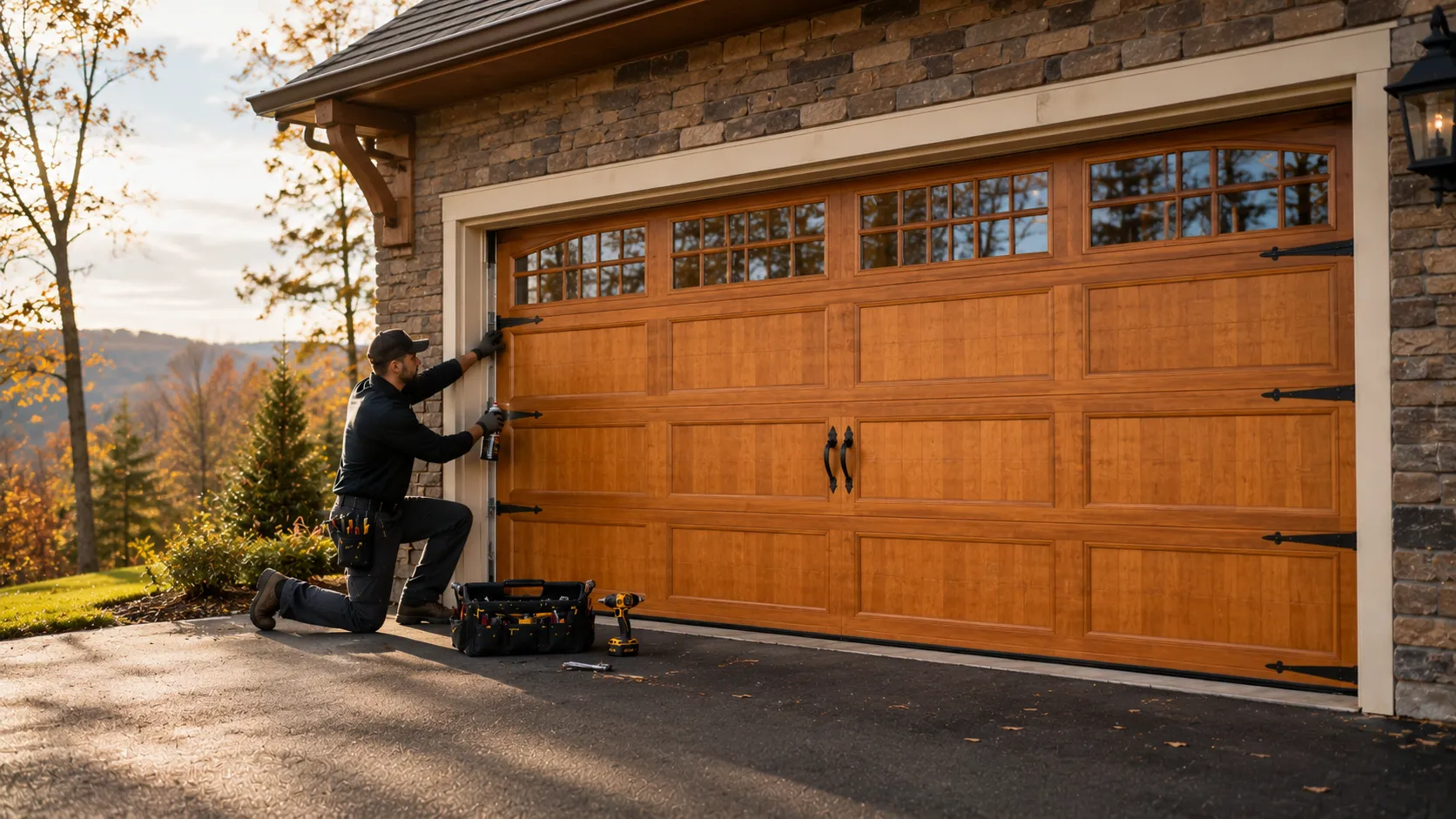
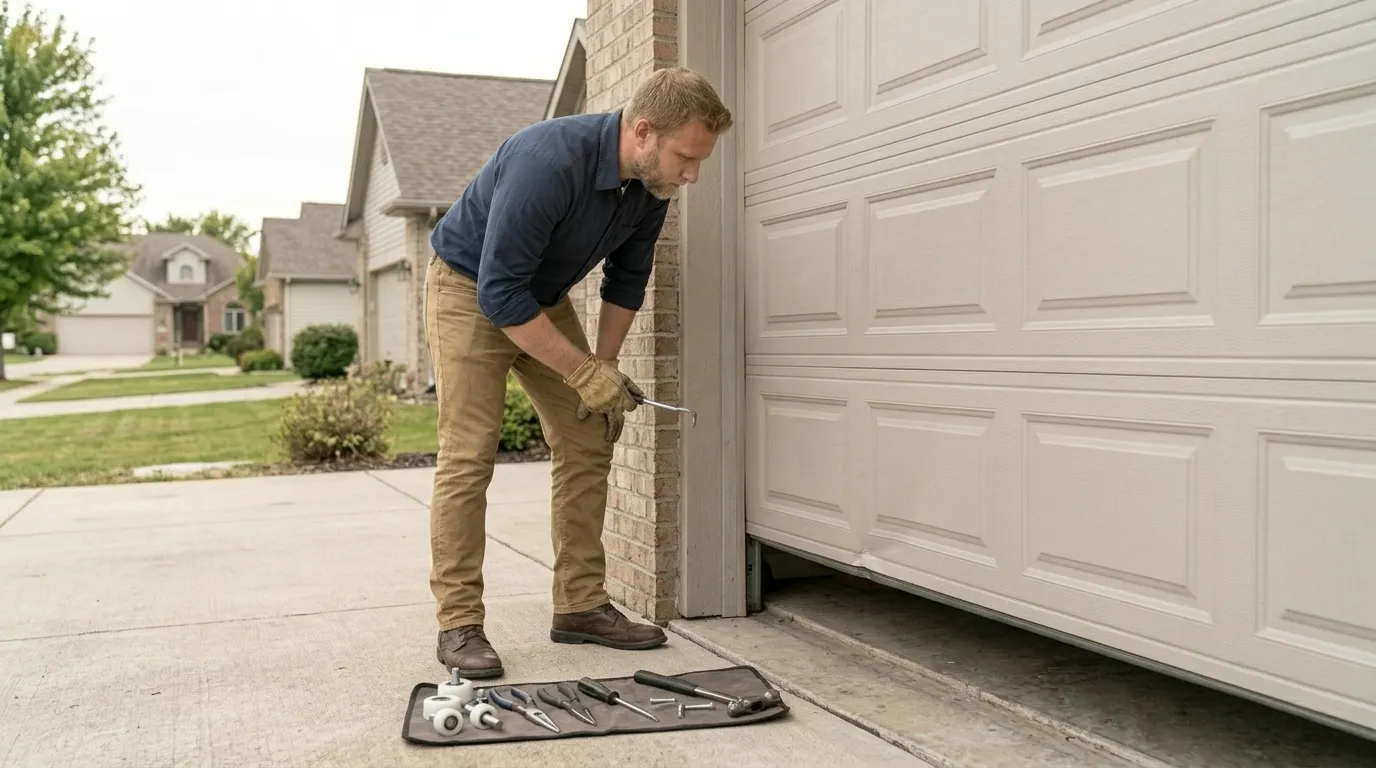
Call and tell us what the door is doing - won't open, opens and stops, makes a bang, or the opener light just blinks. That's enough for us to load the truck with the right spring size, the right roller type, and the sensor or logic board that fits your opener's age. We'll give you a window, not a guess, and we call ahead before we roll.
Here's the honest part: if your opener board is an older model that the manufacturer stopped stocking, we may need a day or two to source it rather than hand you a part off the truck. We'll tell you that on the phone, not after we've already opened up the housing. Most jobs - spring, cable, roller, track alignment - get done same visit, one trip, no return call needed.
We book by phone, not by web form, because a five-minute conversation about what the door is doing saves a wasted first trip. If you can tell us the brand on the motor housing or the last time it was serviced, bring that up front.
What Causes It Around Here
Most houses in the Weatherford service area went up between 1966 and 2010, with the bulk of that stock dating to the 1980s and 90s across the area's thirteen named communities. That means a lot of doors are running on the torsion hardware that was standard when the house was framed, not on anything upgraded since.
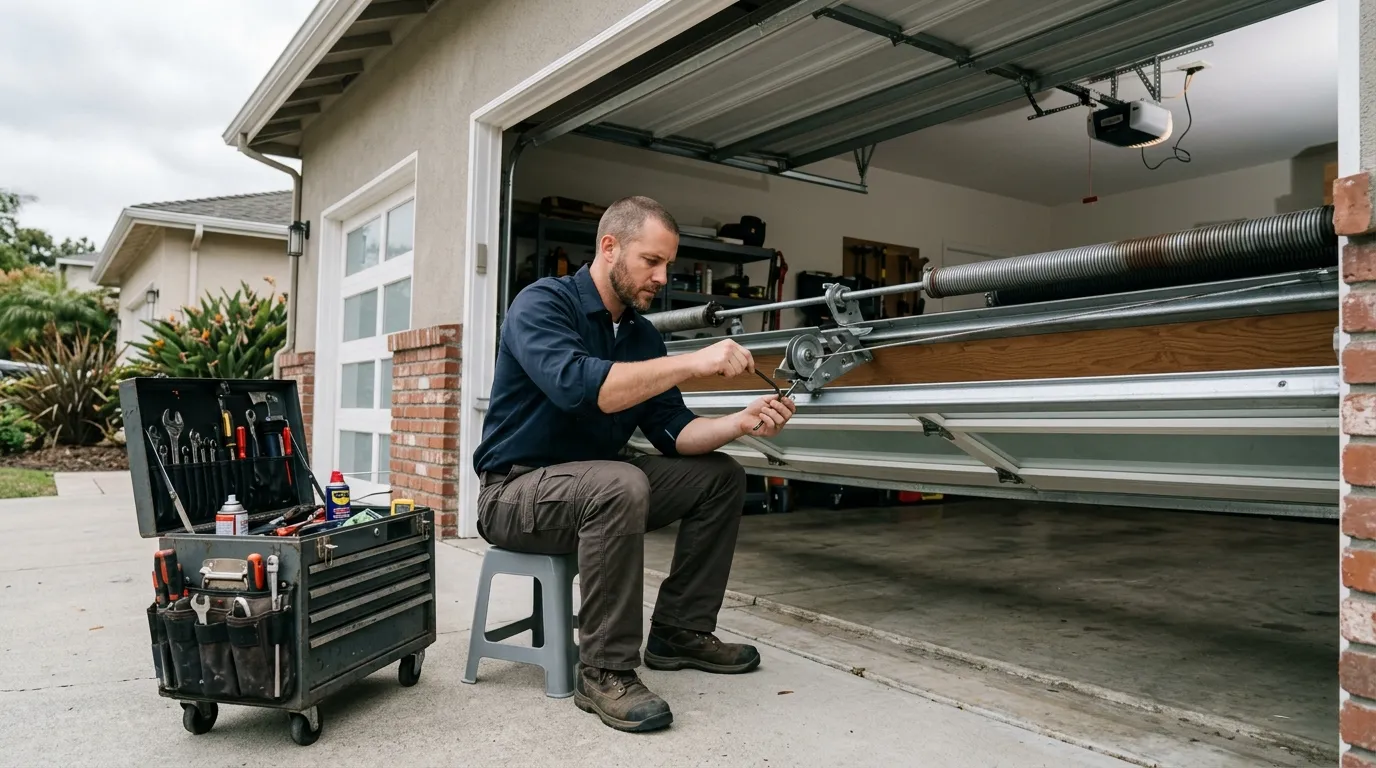
With 12,601 owner-occupied houses across the region, a lot of those original torsion springs are pushing 30 to 40 years old, well past the 7-to-10-year run time you'd expect on a system that gets opened and closed twice a day. That's the single biggest call we get: a spring that finally lets go after decades of cycling.
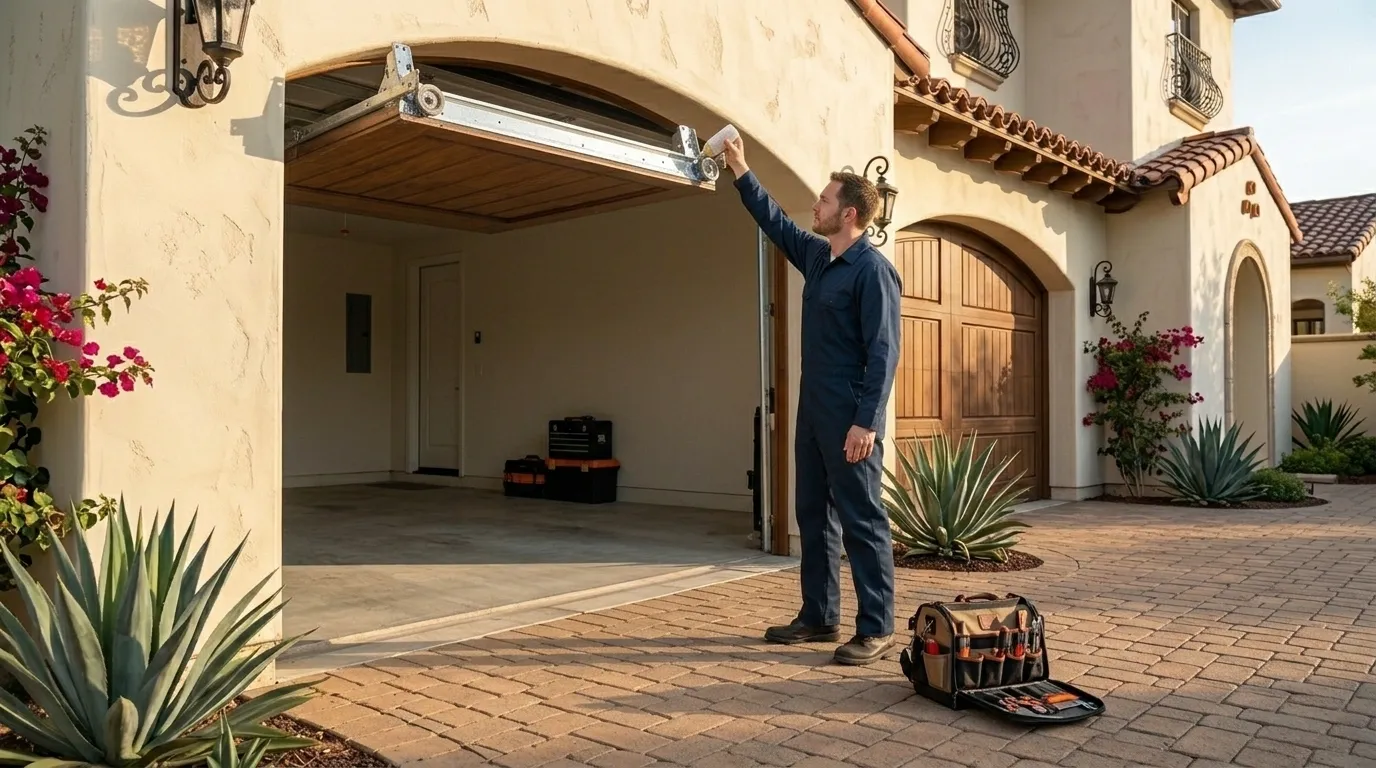
Weatherford sits in a moderate-heat climate band, so the summer expansion and winter contraction on steel tracks and aluminum sections happens twice a year, not once, and it loosens fasteners faster than in areas without that swing. Bolts back out of brackets, hinges work loose, and rollers wear their bearings out early.
If you're calling from Hudson Oaks, four miles in, or out toward Aledo at ten miles, the same 1980s-90s torsion hardware shows up on the work order. It's not a coincidence - it's the same building era, the same parts catalog, and the same twenty-plus years of heat cycling on all of it.
What You Are Seeing
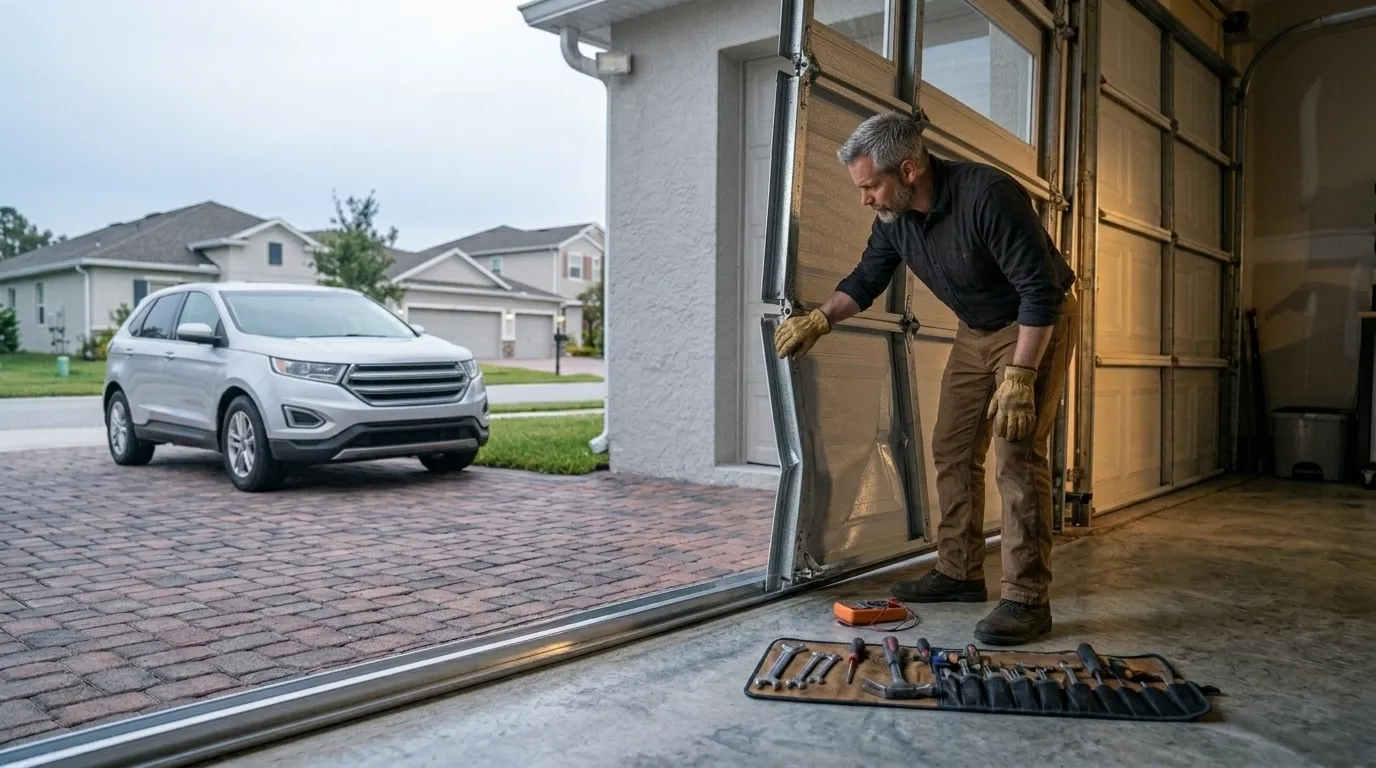
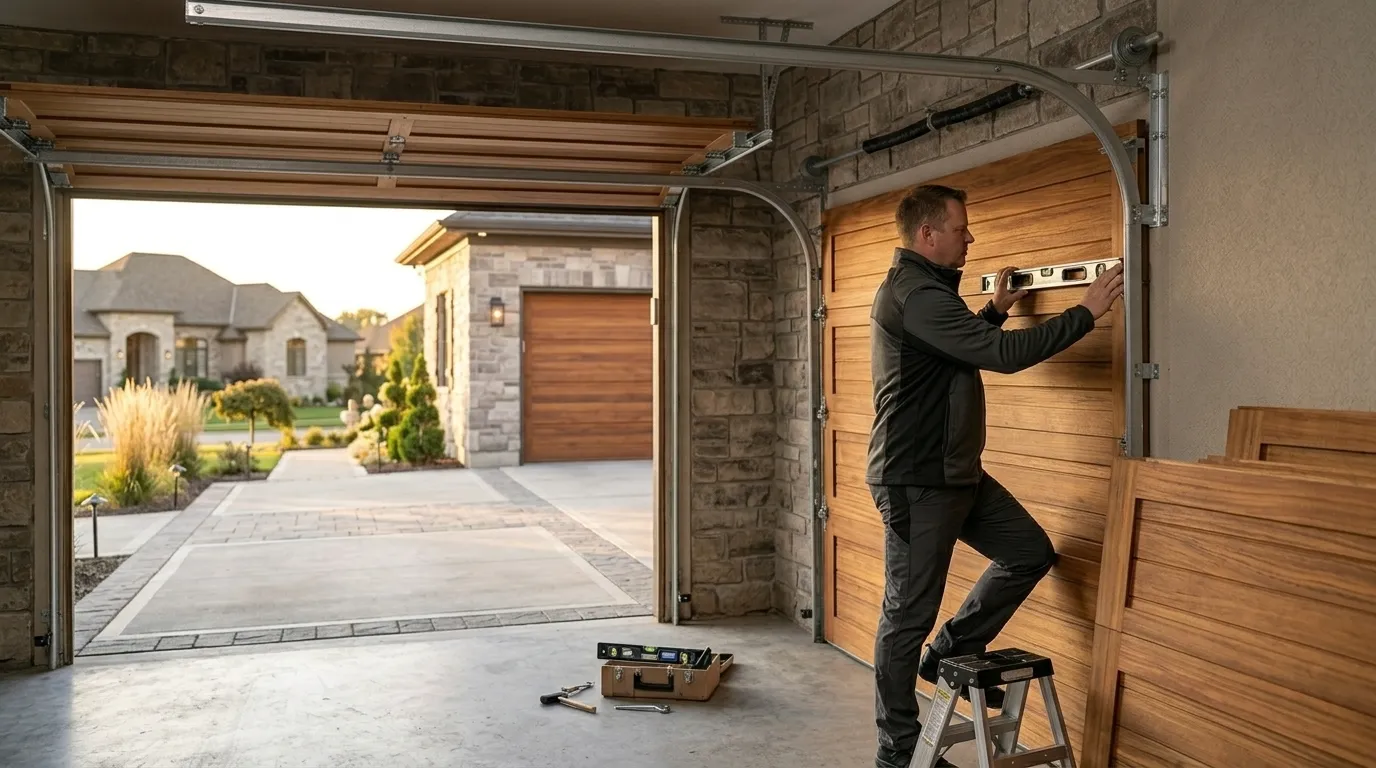
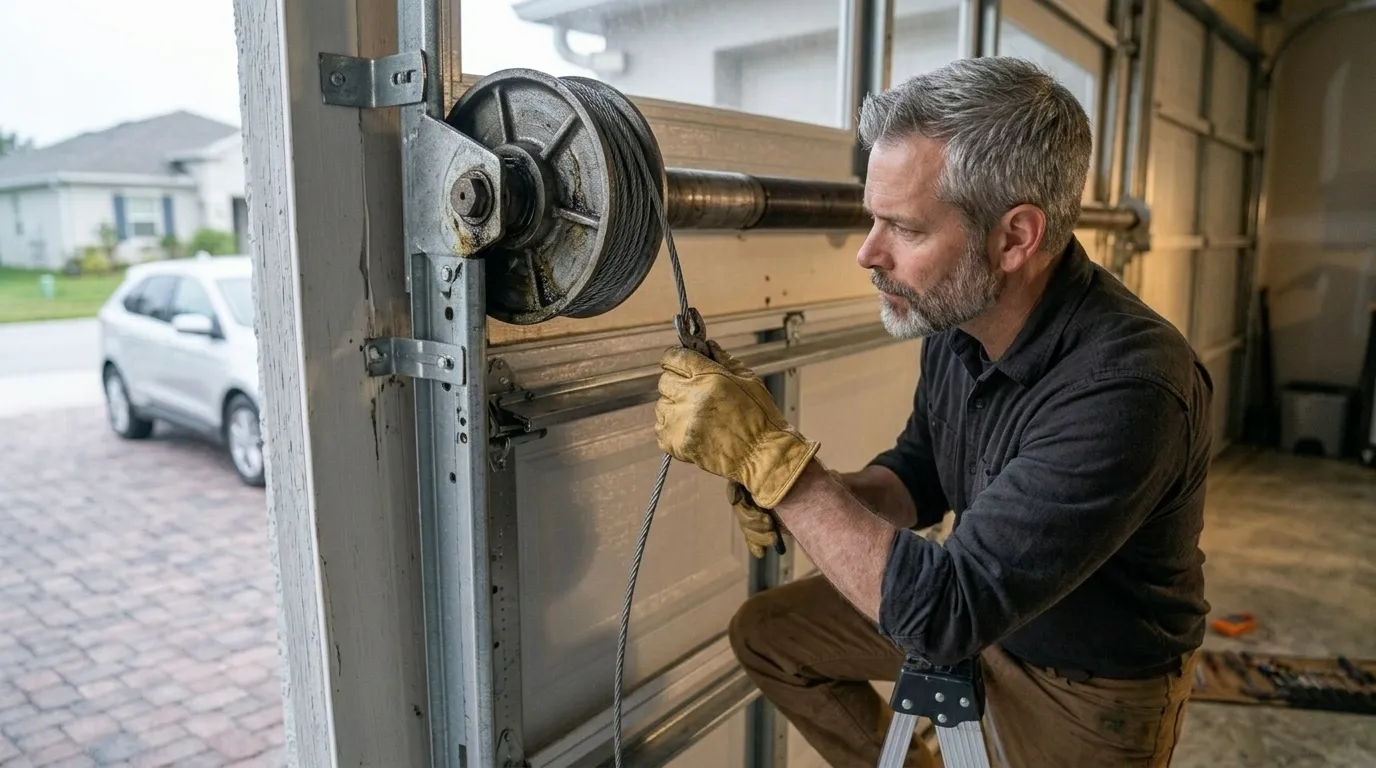
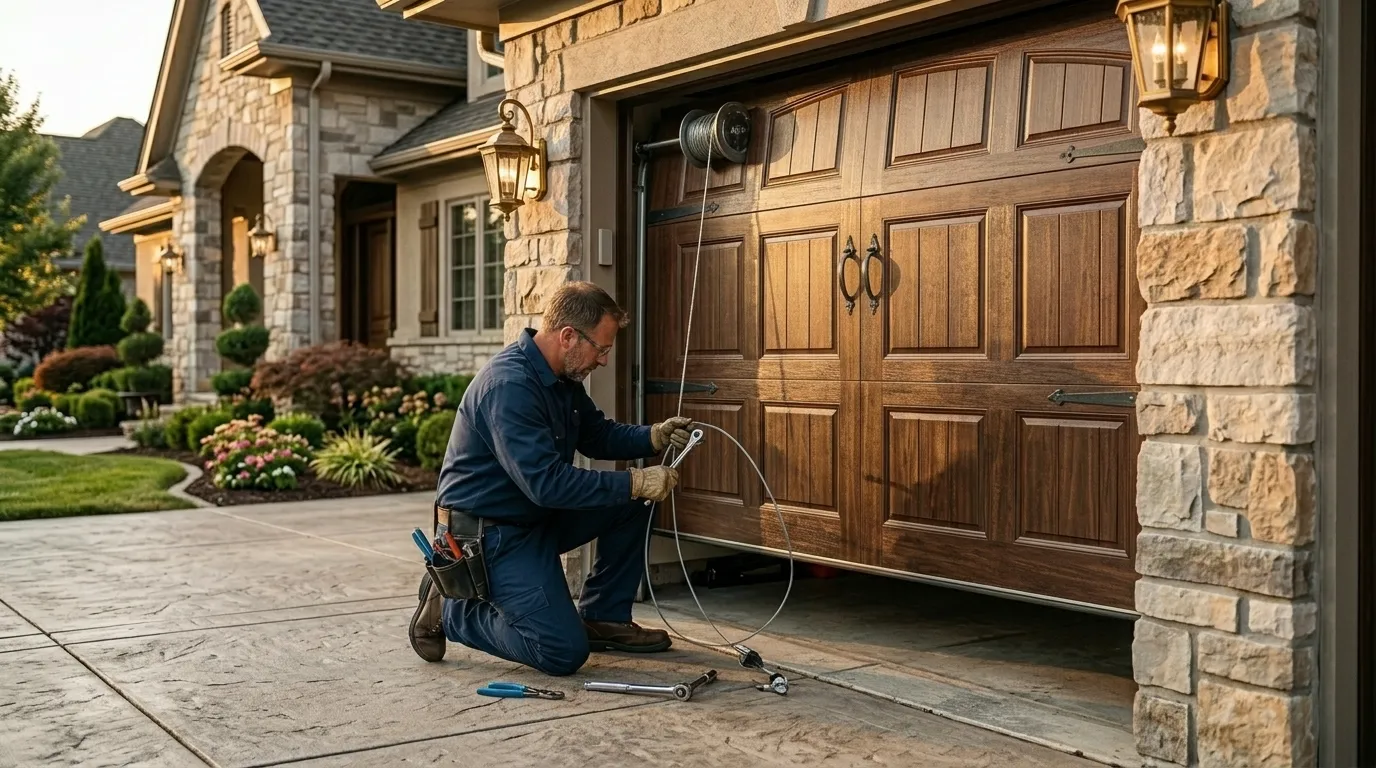
A door that won't budge and a spring that's visibly split at one coil - that's the classic torsion failure, and it's loud when it happens, usually a bang you'd hear from inside the house. A door that opens partway then stops is often a broken cable or a drum that's slipped, not the opener at all.
A door that reverses right after touching the floor, or won't close past halfway, points to a sensor that's dirty, knocked out of alignment, or blocked - check for a spider web or a stray box before you call. Grinding or squealing on the way up usually means rollers that have worn past their bearing life, common on doors that have been cycling for two or three decades without a roller swap.
An opener that hums but doesn't move the door can mean a stripped gear inside the unit or a spring that's lost enough tension that the motor's fighting the full weight alone - that one tends to show up not long after the spring itself starts making noise on the way down. If your door is doing more than one of these at once, that's usually related failures from age, not one problem masquerading as another.