What Is Going On
Most houses across this service area went up between 1966 and 2010, with the median build year landing around 1990. That means a big share of the garage doors we get called on aren't brand new stock - they're original to houses built in that window, or close to it. Across the thirteen named areas we cover, from Hudson Oaks four miles out to Oak Trail Shores nineteen miles away, the bulk of the housing stock dates to the 1980s and 90s specifically. A door and opener from that era have usually had one owner, one paint job, and zero attention until something stops working.
With 12,601 owner-occupied houses among 22,168 households in this area, this isn't a small pocket of old doors - it's the norm. The question we get most isn't "what's broken," it's "is this thing worth putting money into." The honest answer depends less on the door's age and more on which parts have already failed and whether the opener still matches the door's weight and travel.
What to Check
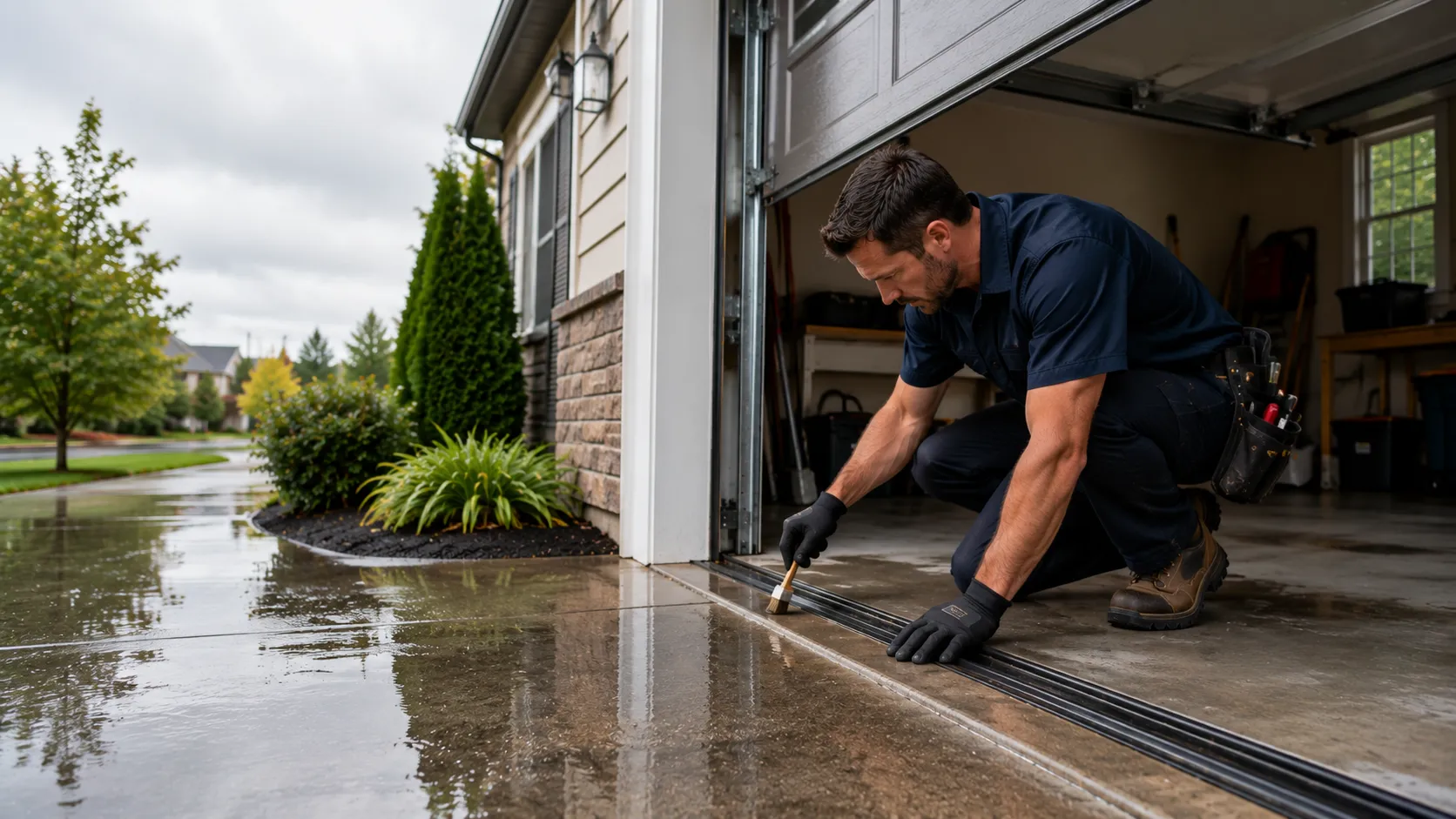
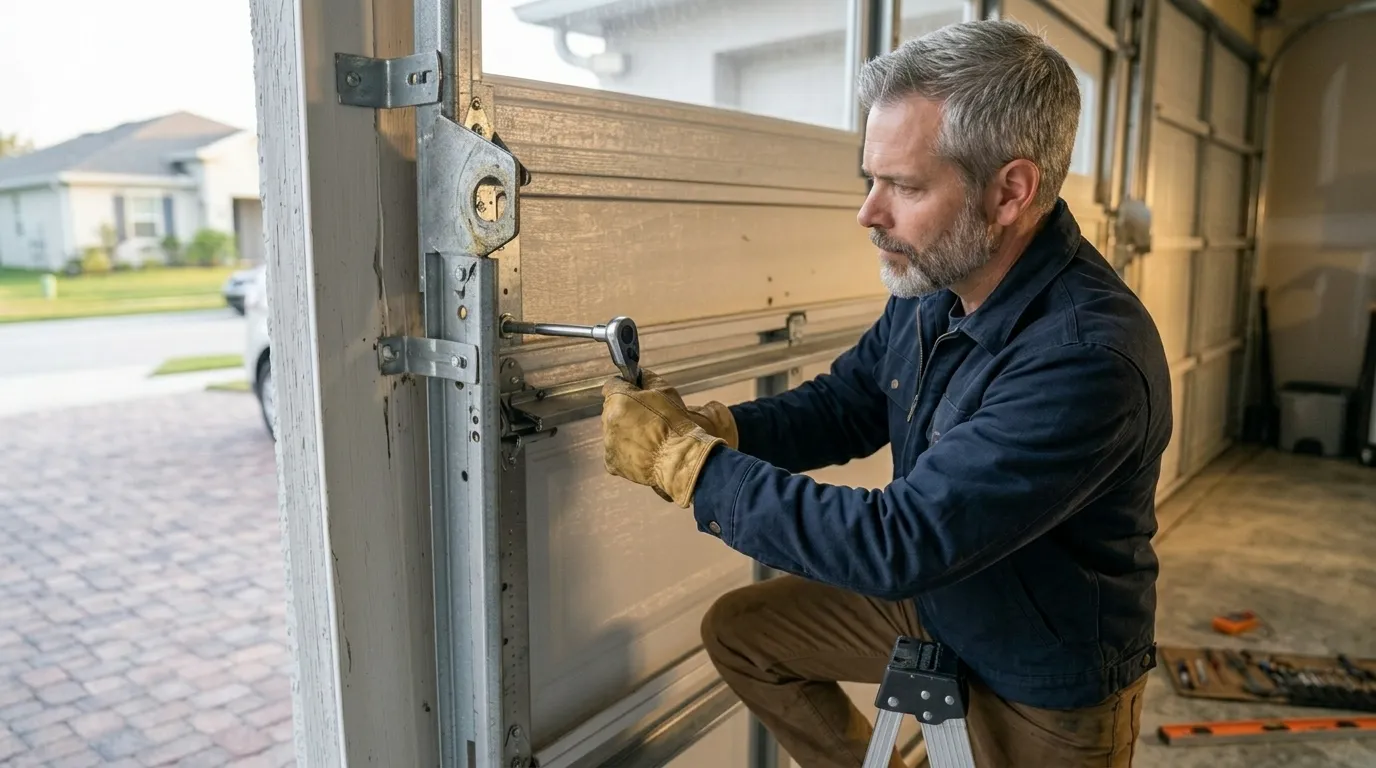
Start with the panels. Steel doors from the 80s and 90s dent and rust at the bottom section first, especially where sprinklers or lawn edging kick up moisture. If only the bottom panel is rough, that's a panel swap, not a full replacement. Next, the track - look for daylight between the rollers and the rail, or a track that's pulled away from the frame. That's a hardware fix, cheap relative to a new door.
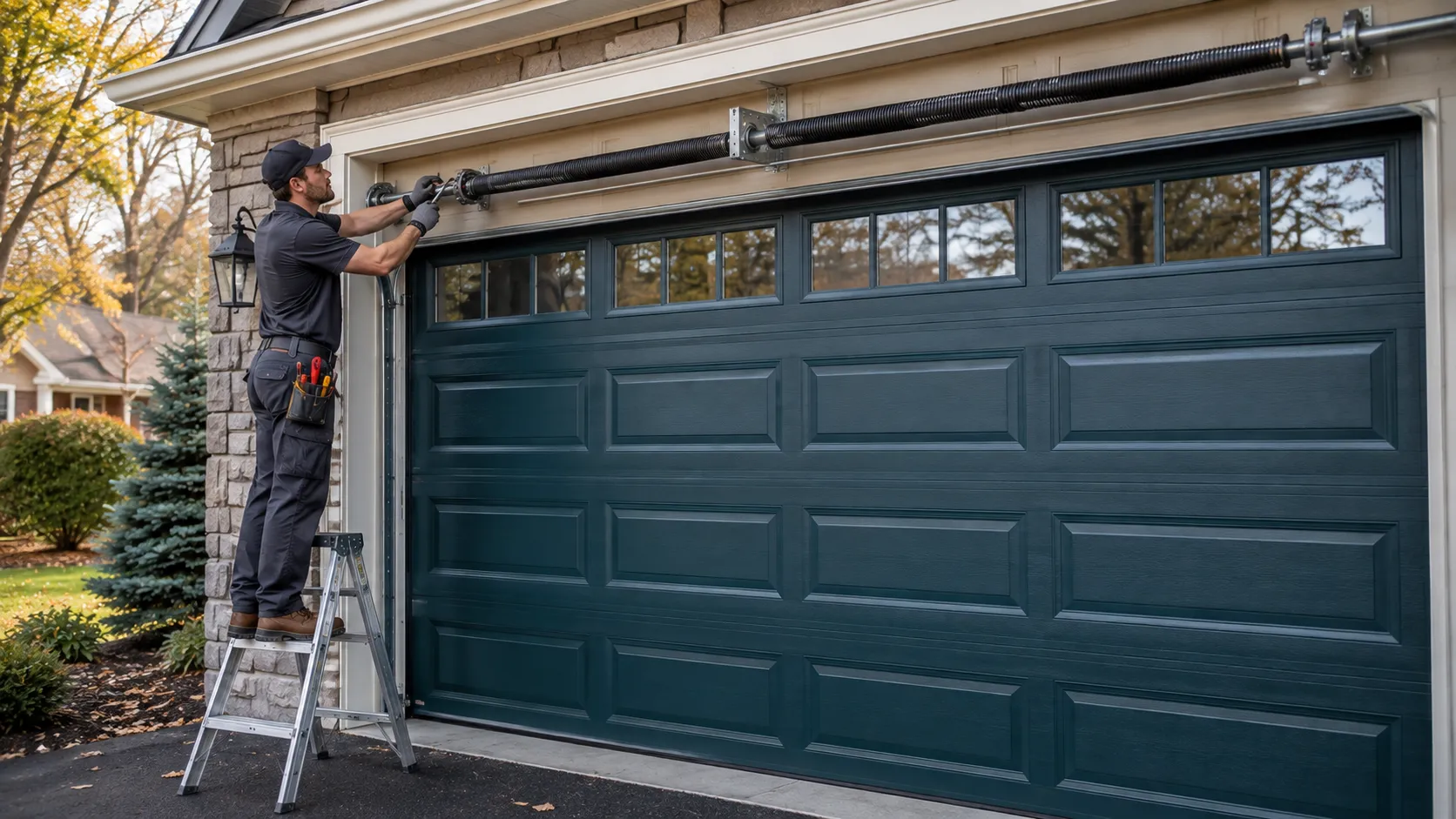
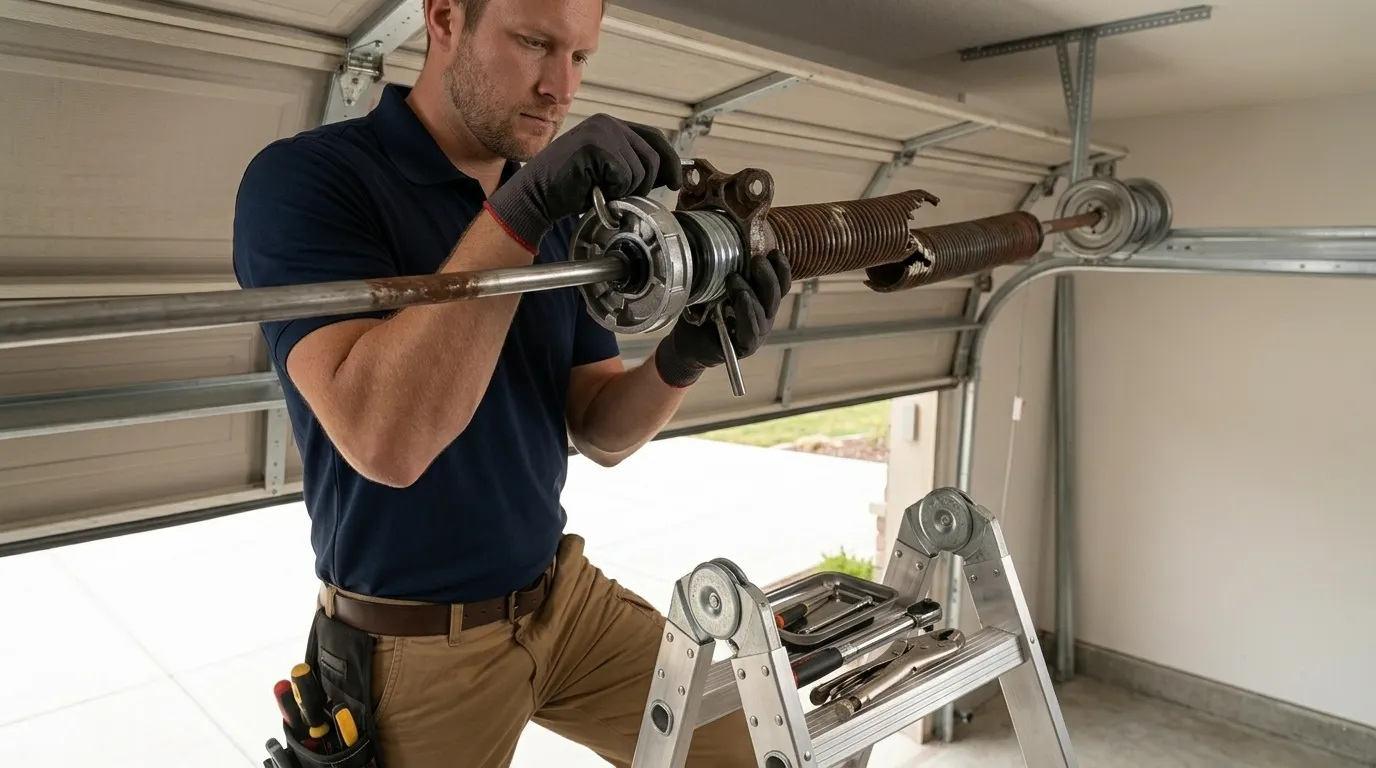
Springs are the part that actually determines the math. A torsion spring on a door this old has usually done its cycle count and then some; if it's original, budget for replacement regardless of what else looks fine. Check the opener separately from the door - a chain-drive unit from that build era often outlives its warranty by decades but starts slipping gears or losing the remote's range. If the opener is dead and the door itself is straight, square, and the track is solid, that's a case for fixing rather than tearing out the whole assembly.
When to Get Help
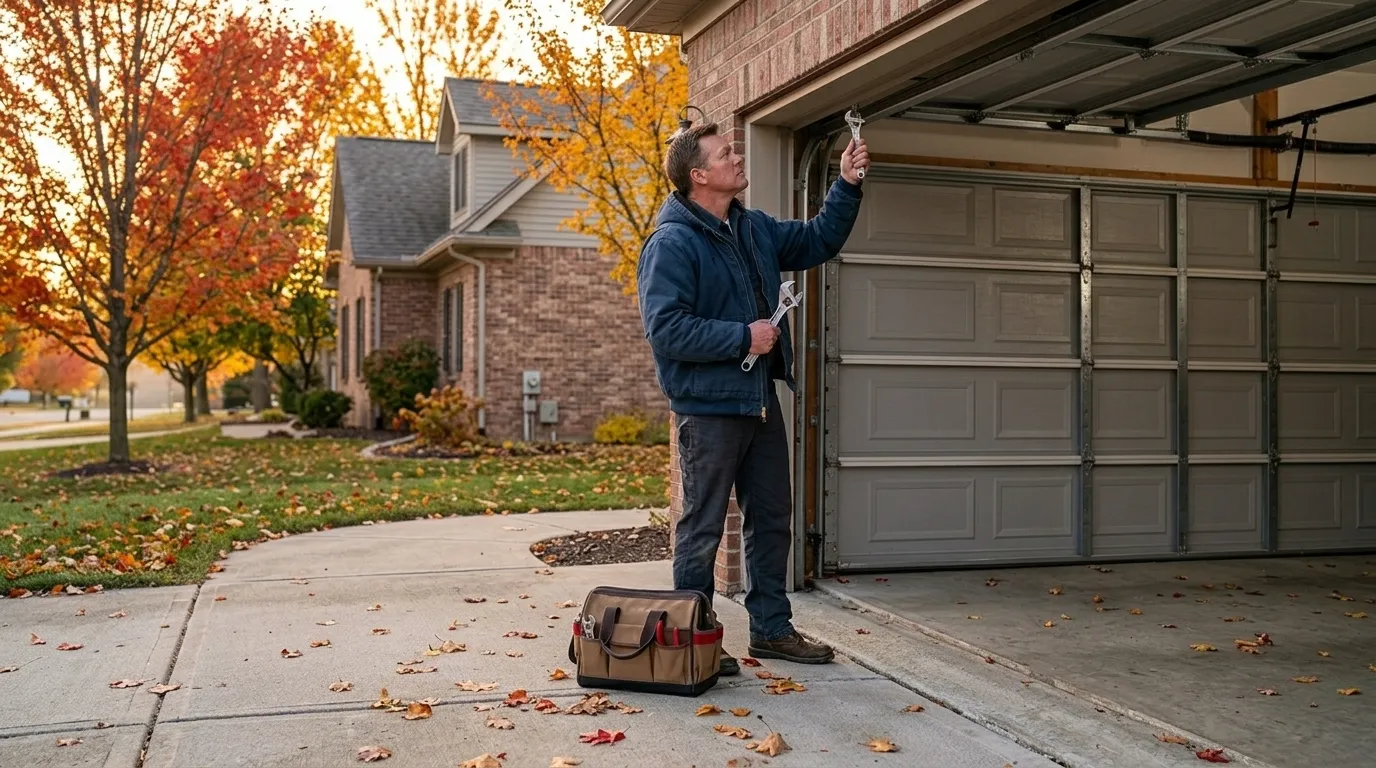
Get a look at it when the door is off-track, when a spring has visibly separated, or when the opener grinds instead of running smooth - those aren't jobs to keep testing yourself. If the door is original to a house built in the 80s or 90s and only the opener or one panel has failed, repair almost always makes more sense than replacement.
Where we tell people to stop repairing: if the frame itself is racked out of square, or if two or three major components - spring, track, and opener - have all failed within the same year. At that point you're paying for labor on a door that's going to keep failing piece by piece. One limitation worth knowing up front: we don't always have matching panels in stock for doors this old, since styles from that era have been discontinued by most manufacturers, so a single-panel repair can mean a short wait on parts rather than a same-day fix.