How That Shows Up in the Door
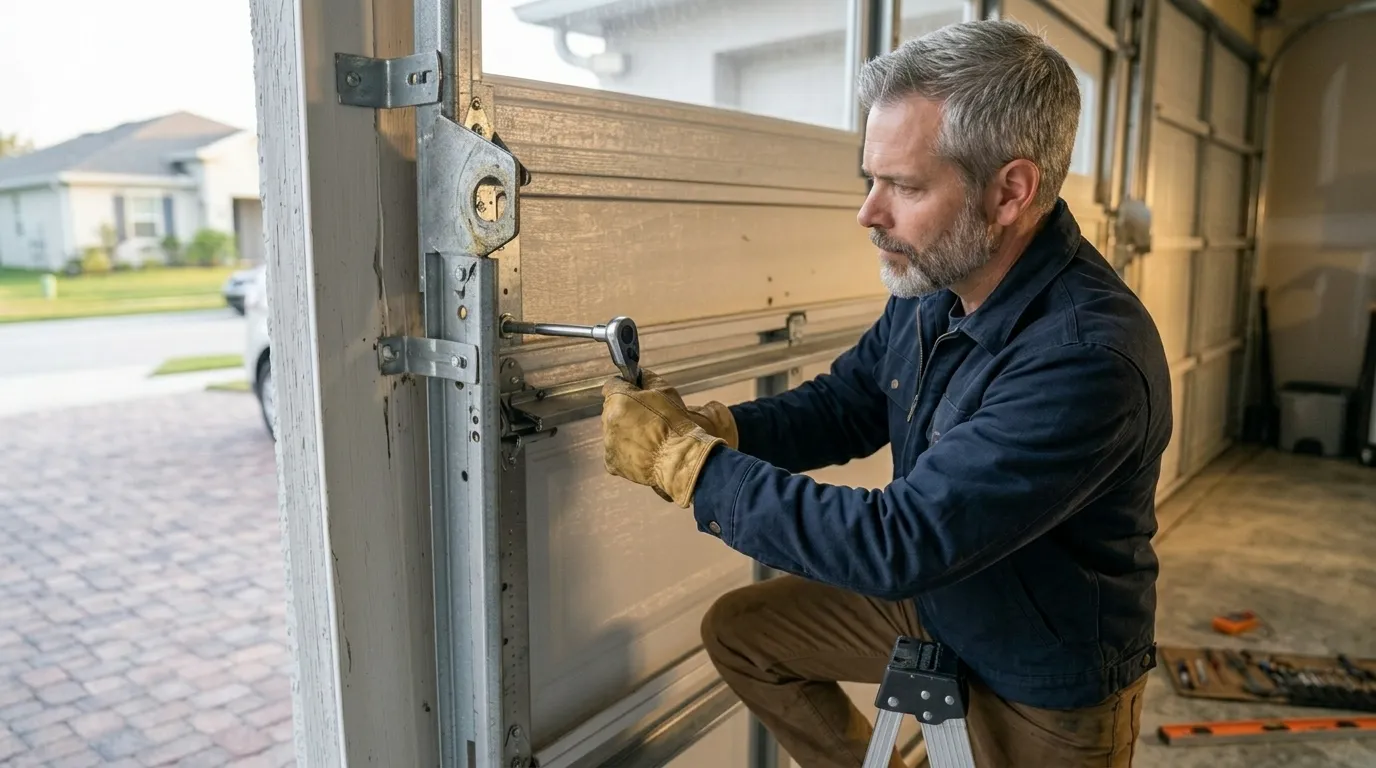
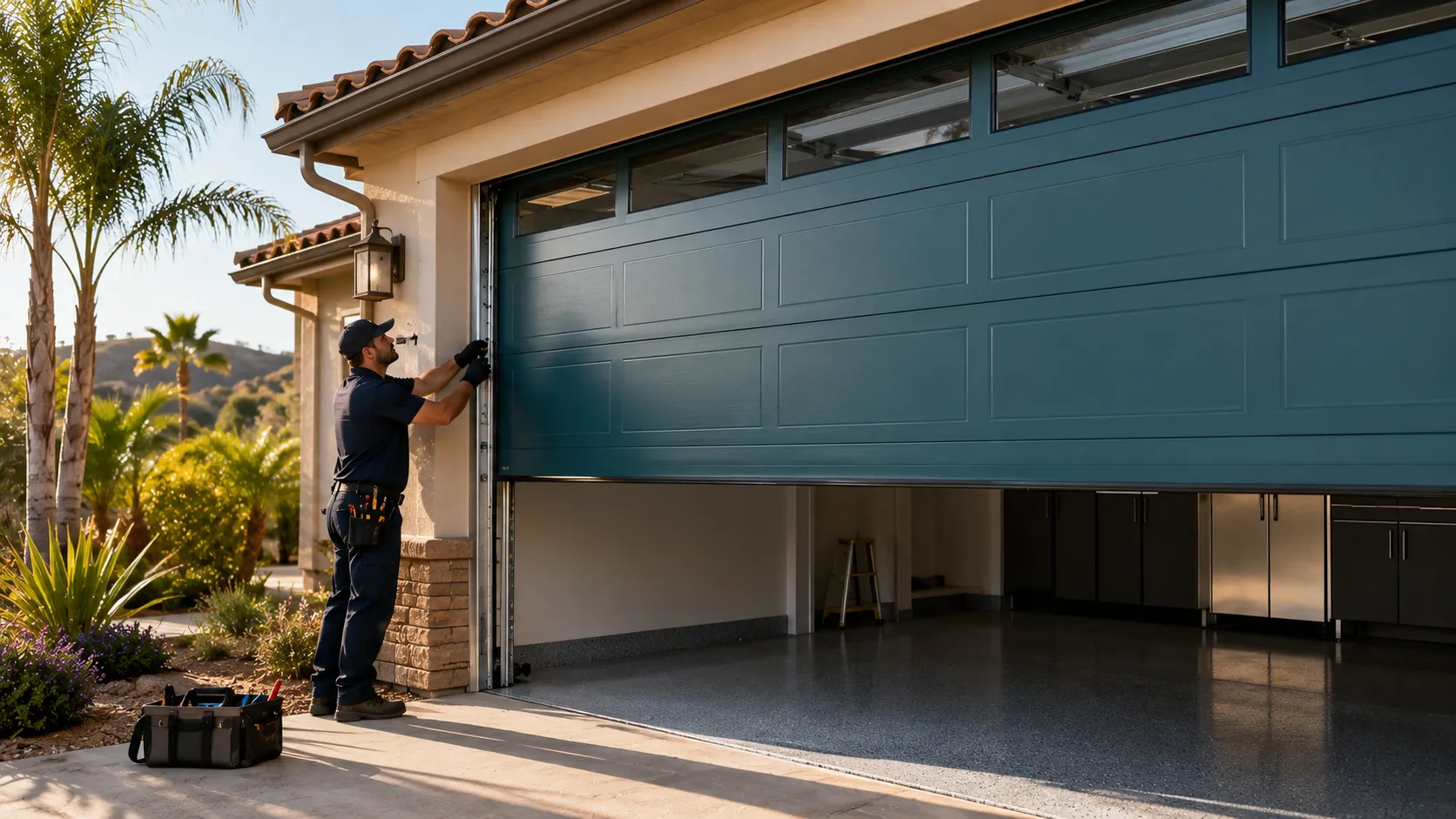
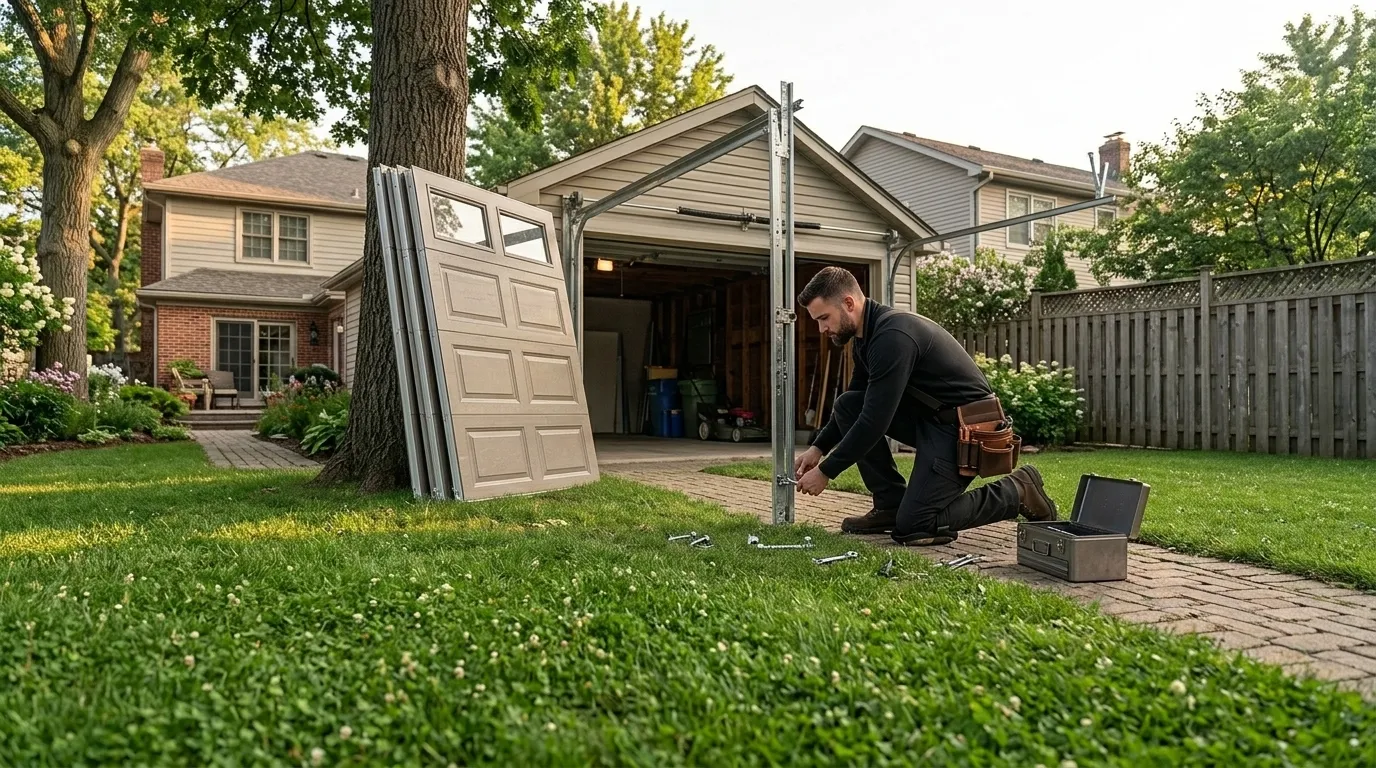
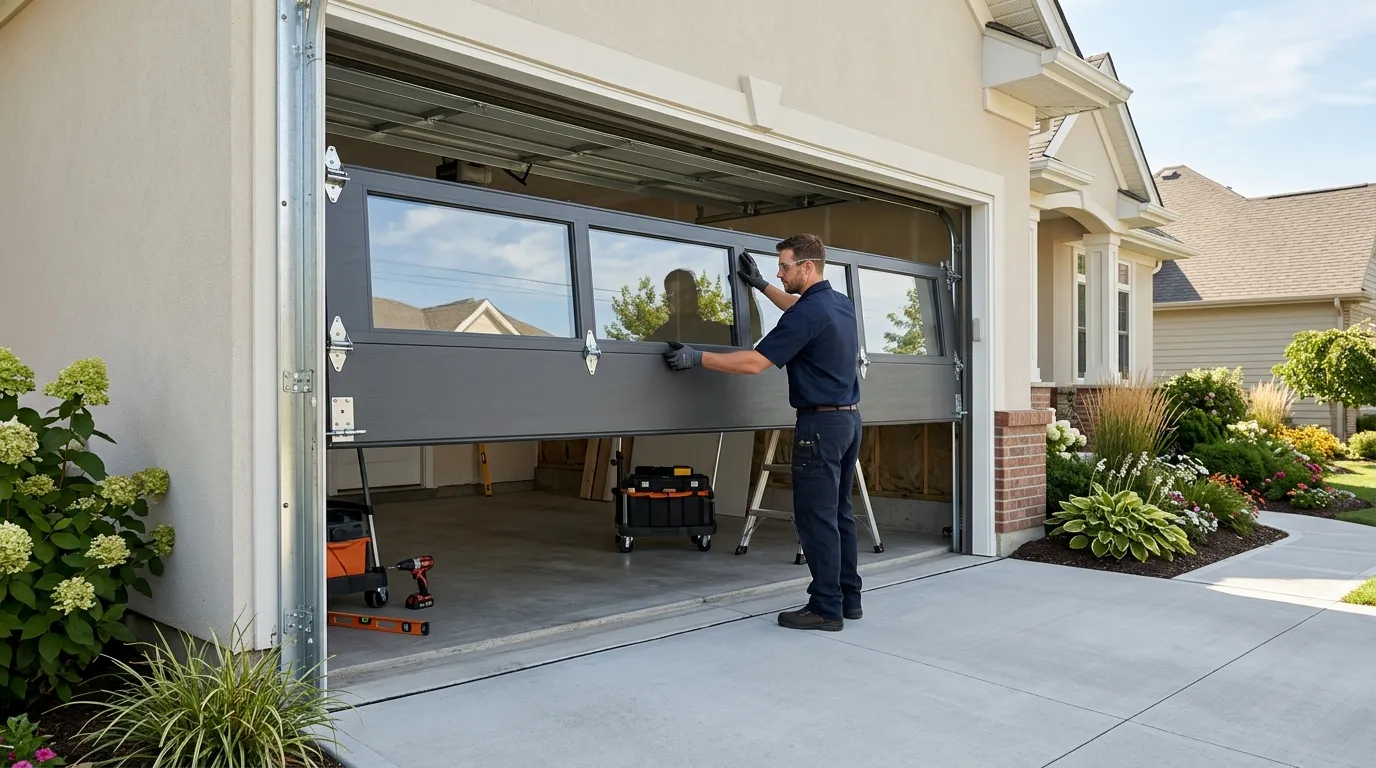
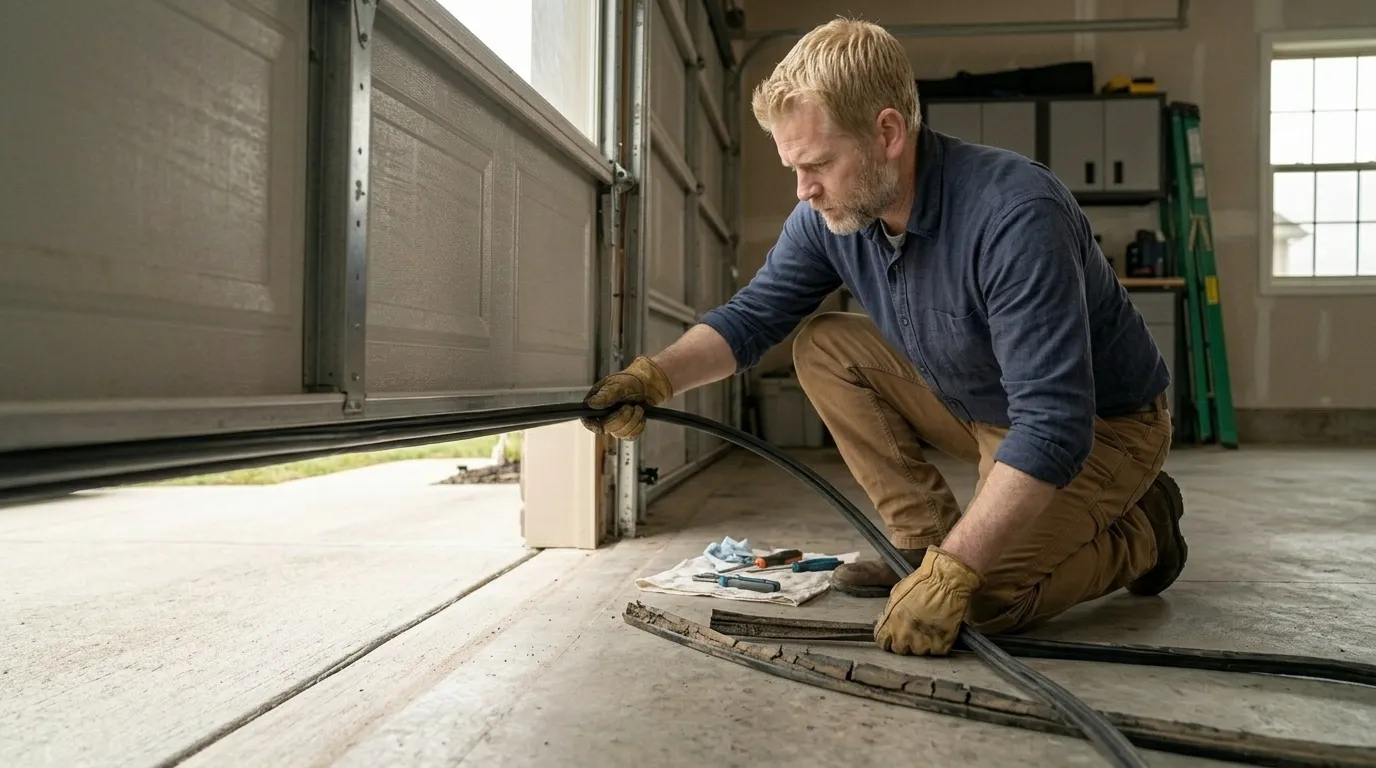
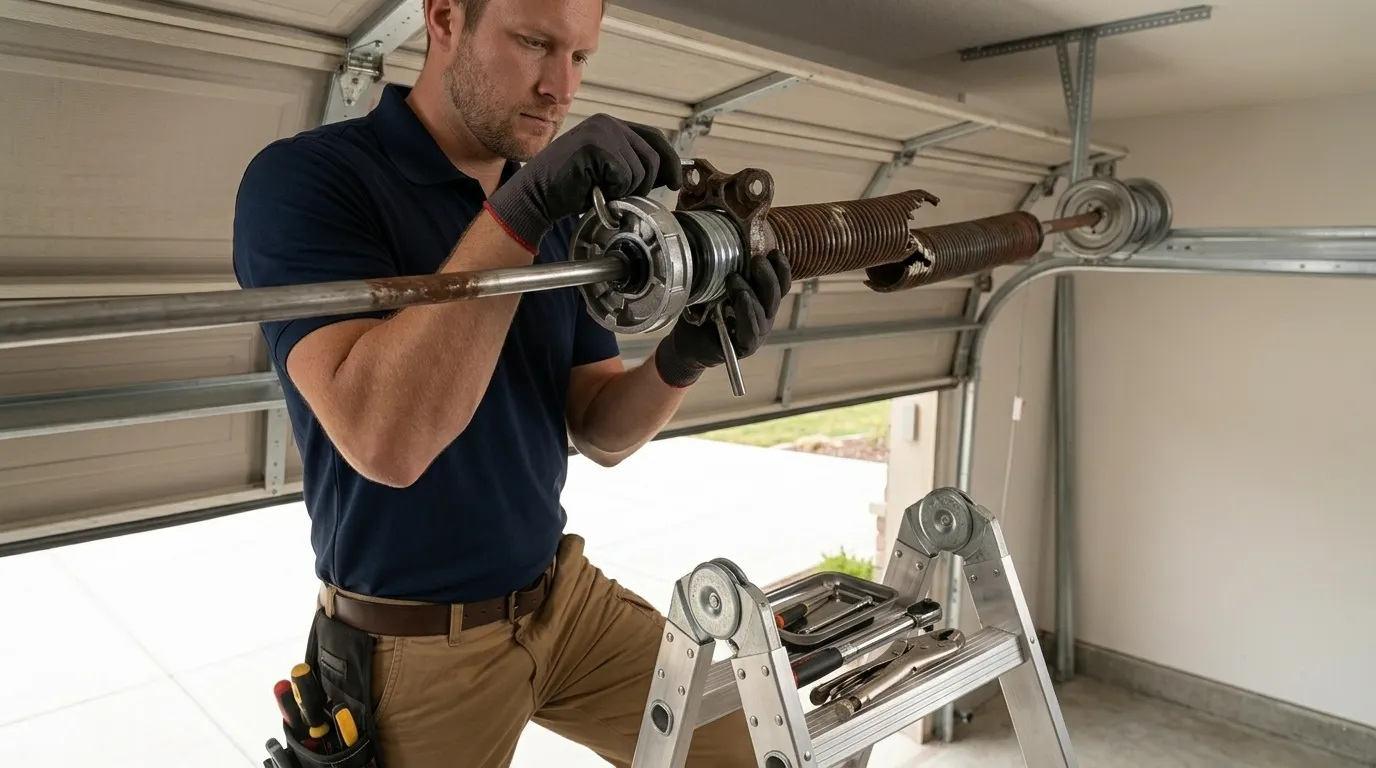
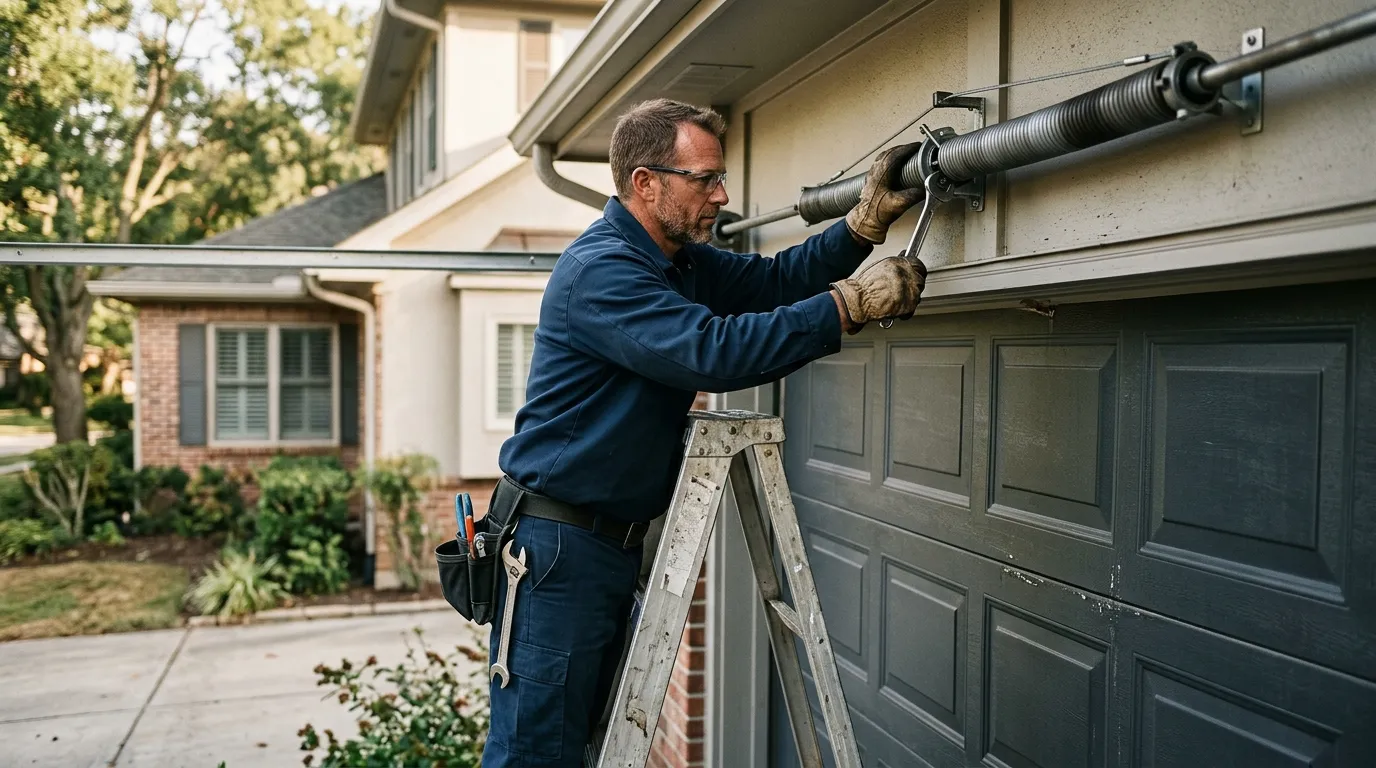
Lakeside's houses cluster around 1969, a good two decades before the median build year across the wider Weatherford service area. That gap matters more than it sounds like it should. A door built in the late 1960s or early 1970s usually came with a heavier one-piece slab or an early sectional design, hung on hardware that predates the extension-spring-to-torsion-spring shift a lot of manufacturers made through the 1980s. If your opener is a later add-on, it's often bolted onto a rail system that was never designed for it, which is why you sometimes get a door that opens fine but shudders or reverses on the way down. We see this pattern often enough on this side of the service area that it's worth checking the spring type and track age before assuming the opener is the problem. None of this is exotic work, but it's not the same fault list you'd get on a house built in 1995, and a shop that only stocks newer parts can end up guessing.
Timing on This Area
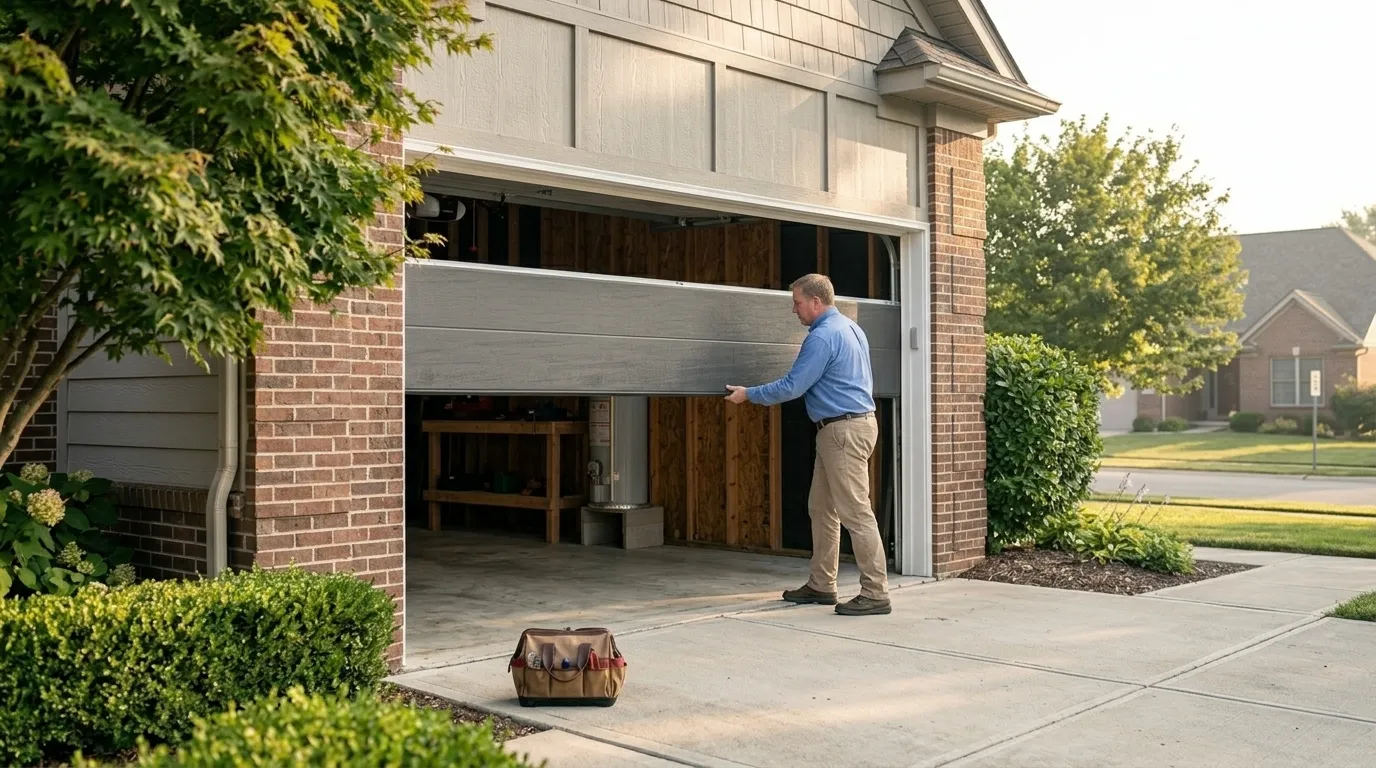
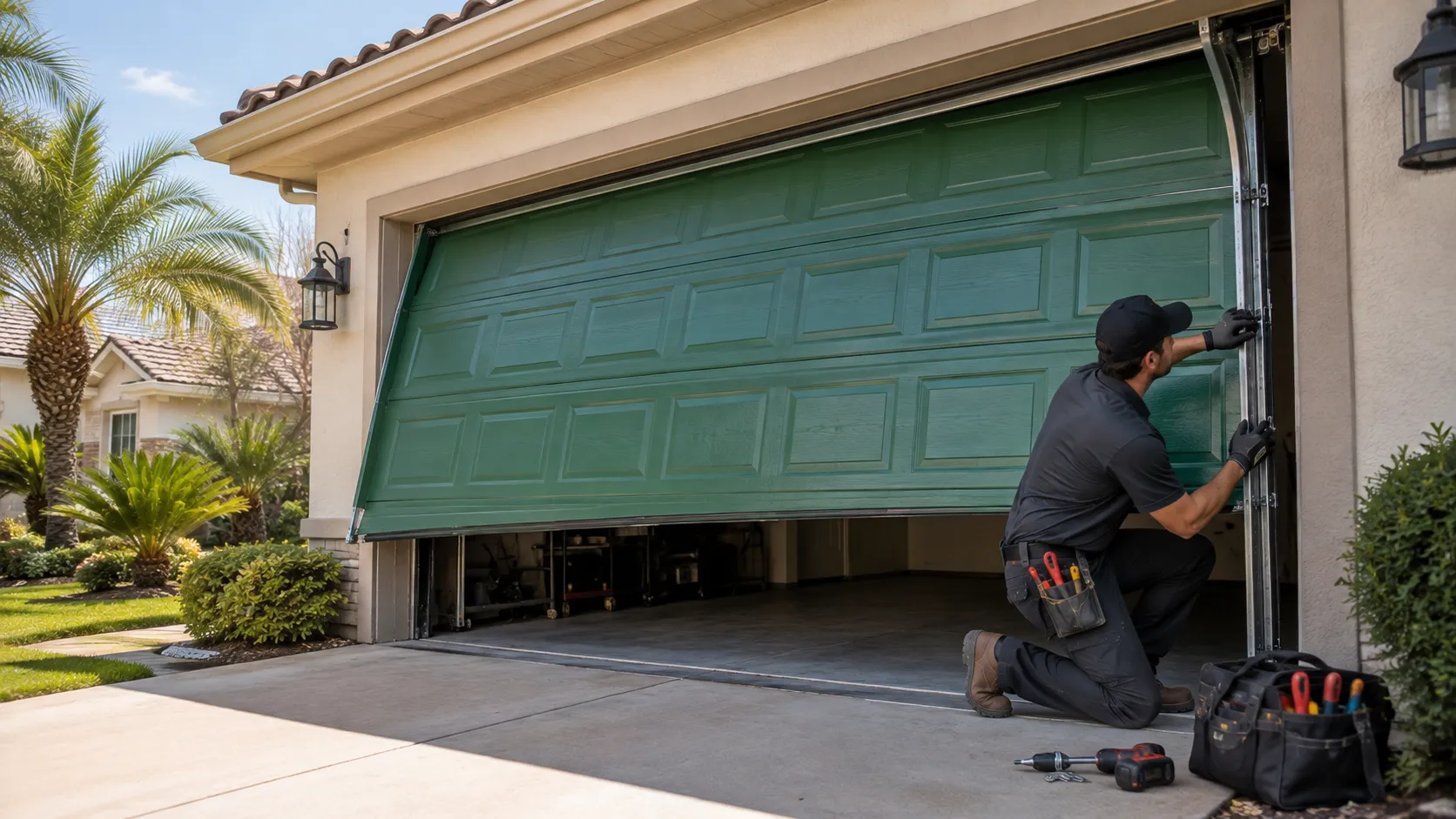
We run out of Weatherford, and Lakeside sits about 18 miles out, so we're not parked around the corner. That means a same-day fix isn't something we promise on paper - we schedule the drive along with everything else on the day's route. What we can tell you is that a call early in the day gives us the best shot at fitting Lakeside in before the truck is loaded for somewhere else. If a spring snaps on a two-car door and the car's trapped inside, say so when you call; that's the kind of job that gets moved up the list ahead of a panel dent or a noisy roller that can wait a day.
This Area's Housing
Lakeside's median household income runs around $108,214, noticeably higher than the $85,625 median across the broader service area, and that shows up less in the door itself than in what people choose to do about it - insulated steel doors, upgraded openers with battery backup, that kind of upgrade tends to get chosen here rather than deferred. It doesn't change what breaks first on an older door, but it does mean replacement is often on the table sooner rather than a patch-and-wait approach. Climate-wise this area sits in the same moderate-heat band as the rest of the region, so the failures we see are driven more by age and hardware than by weather extremes.