How That Shows Up in the Door
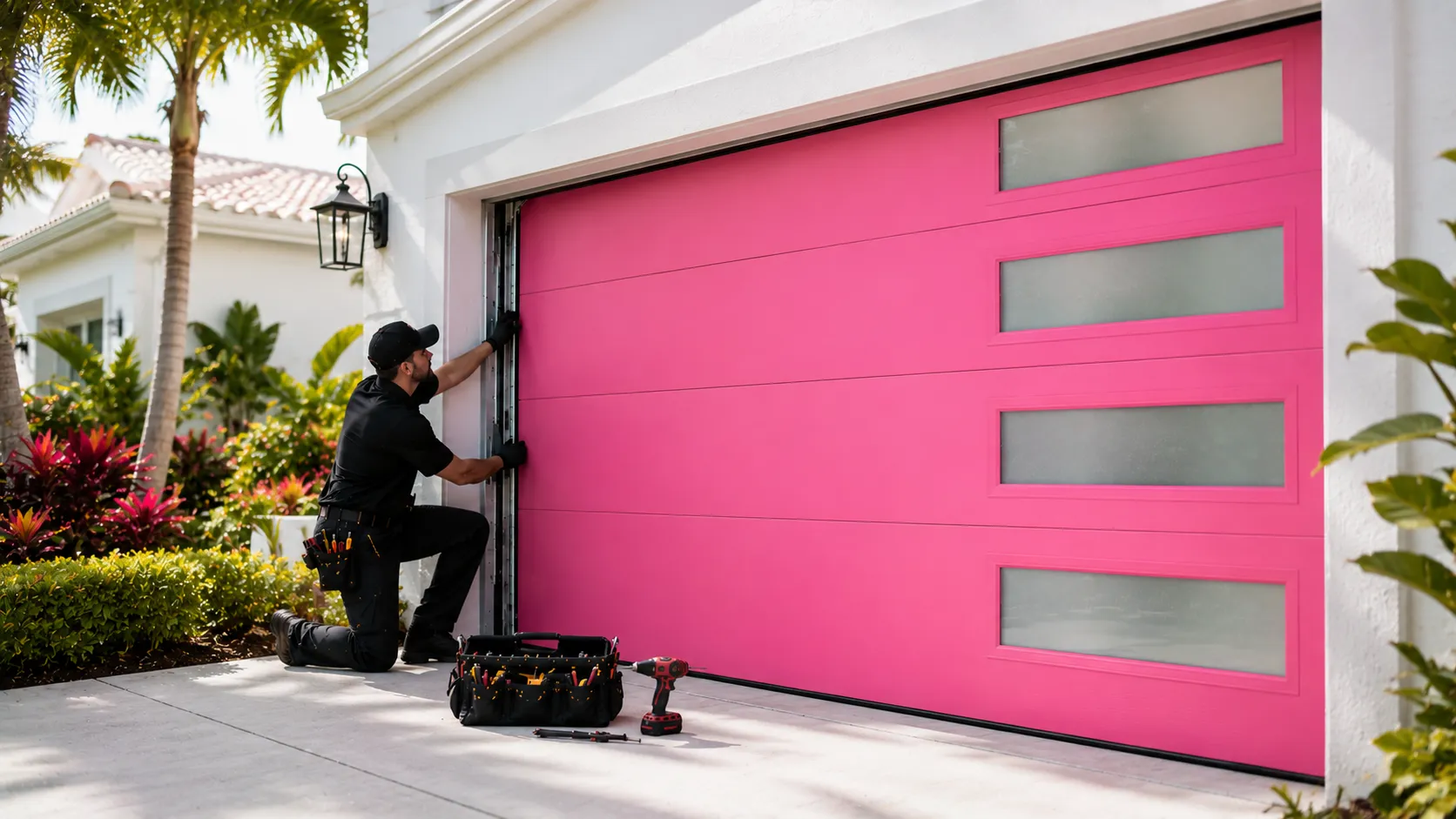
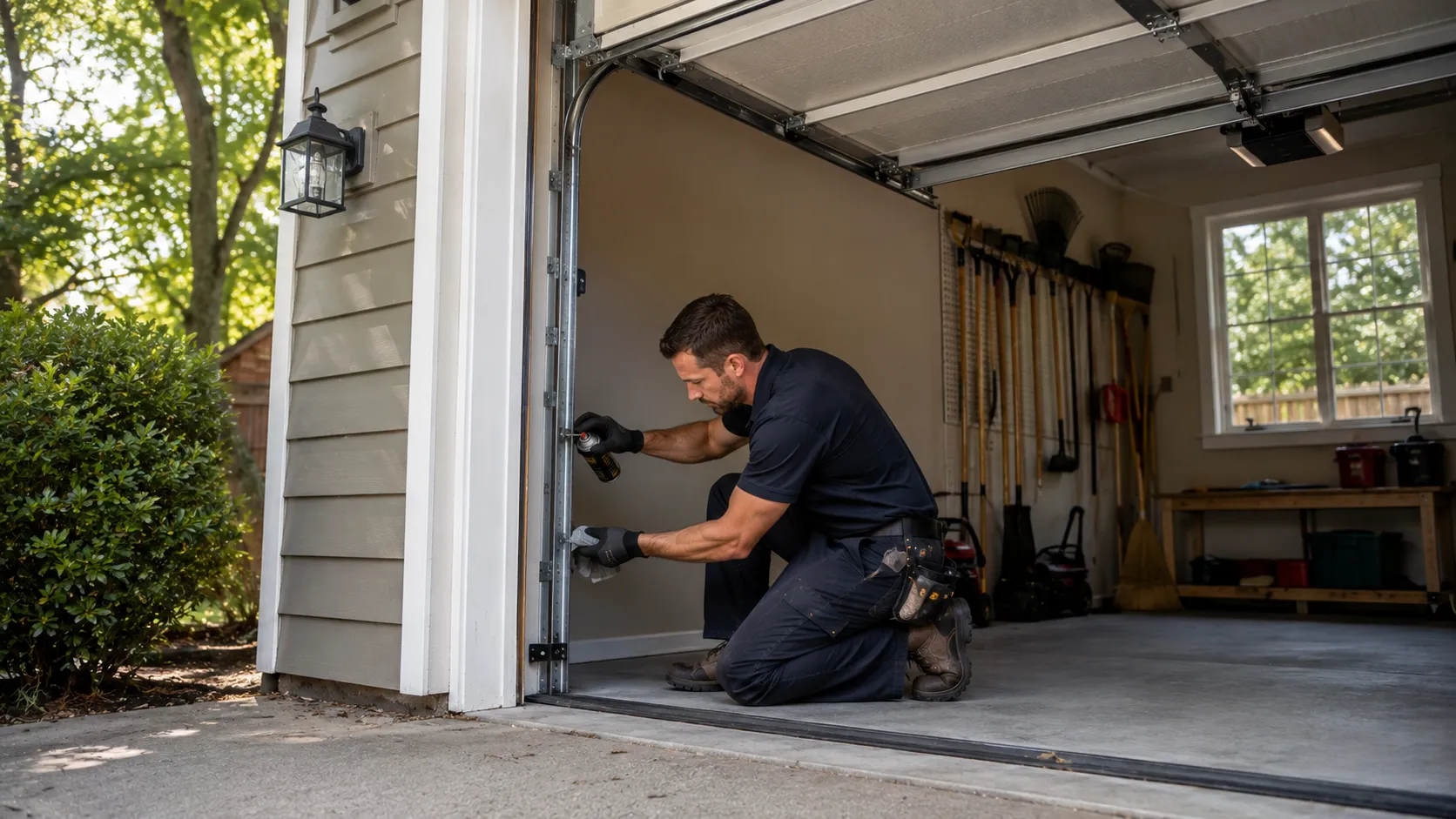
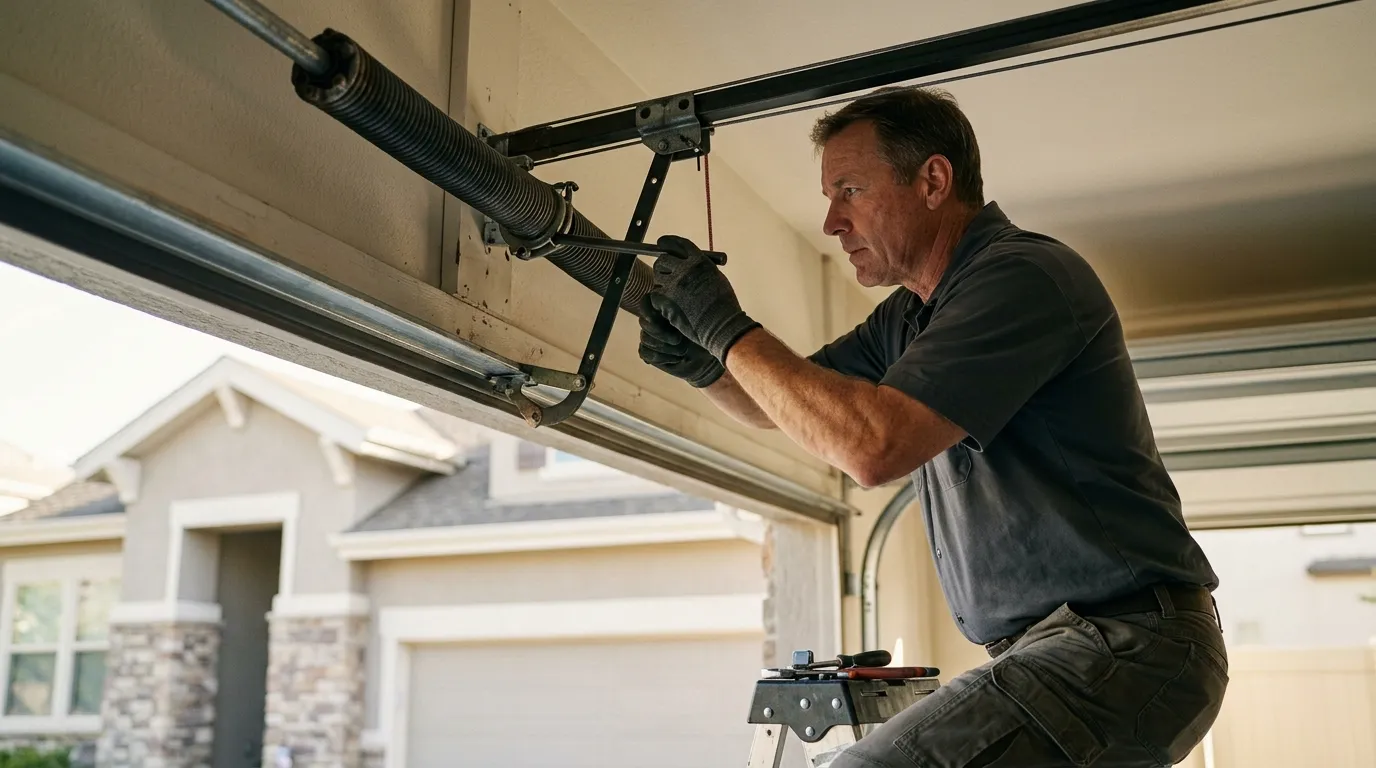
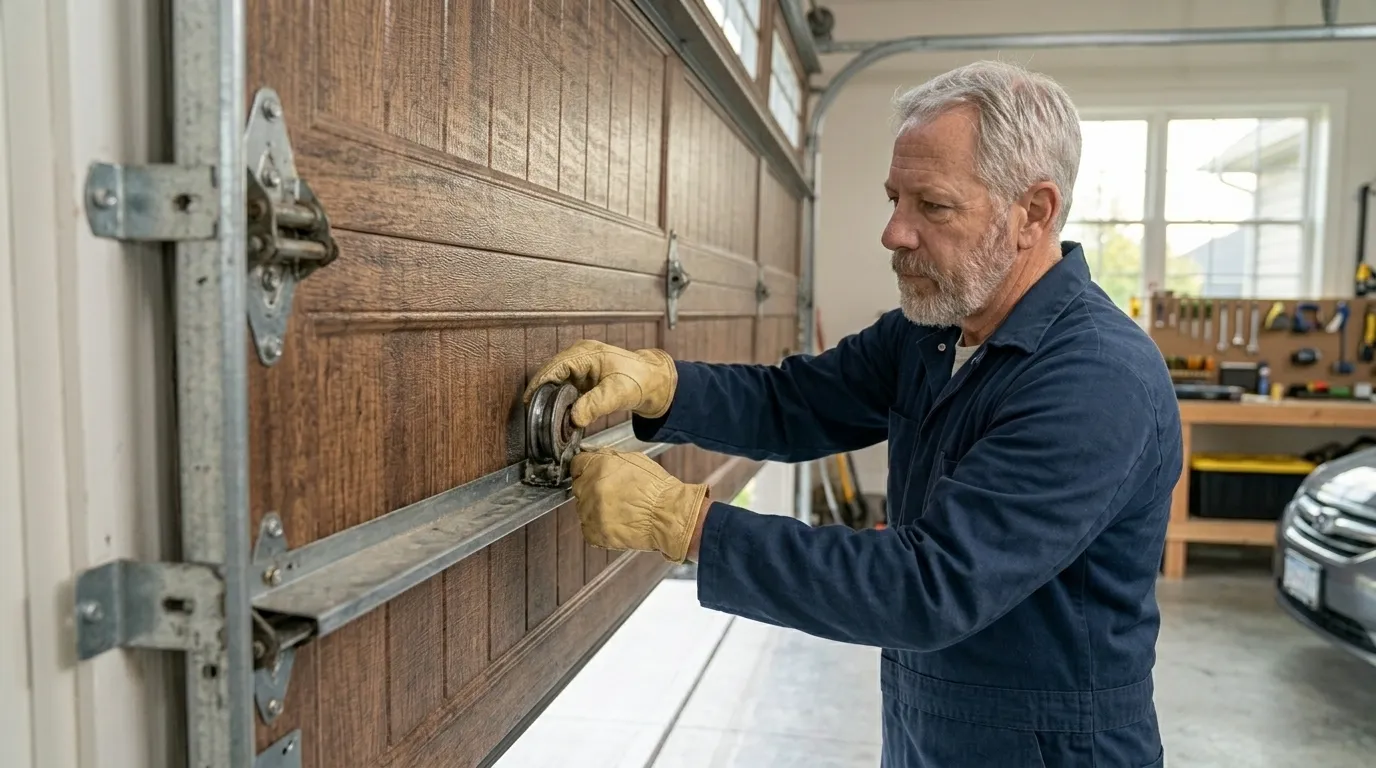
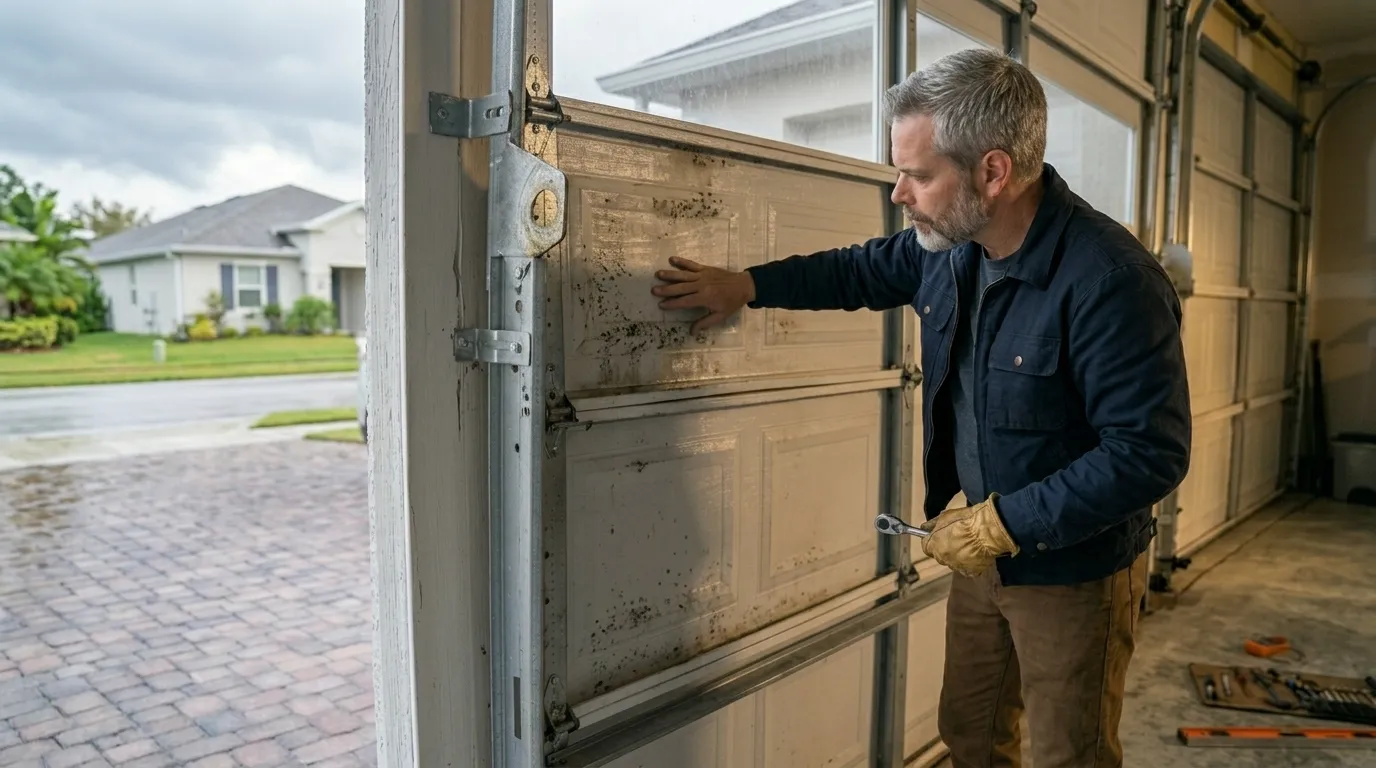
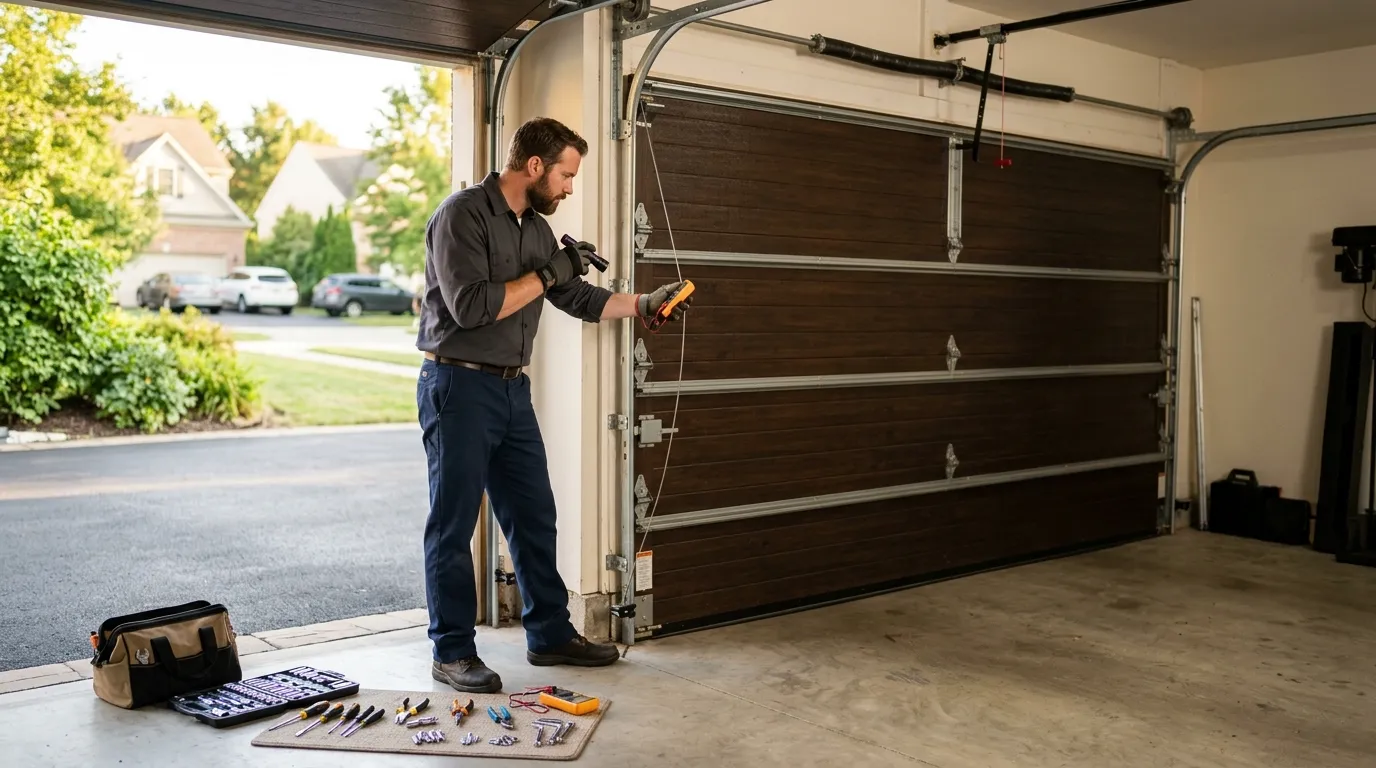
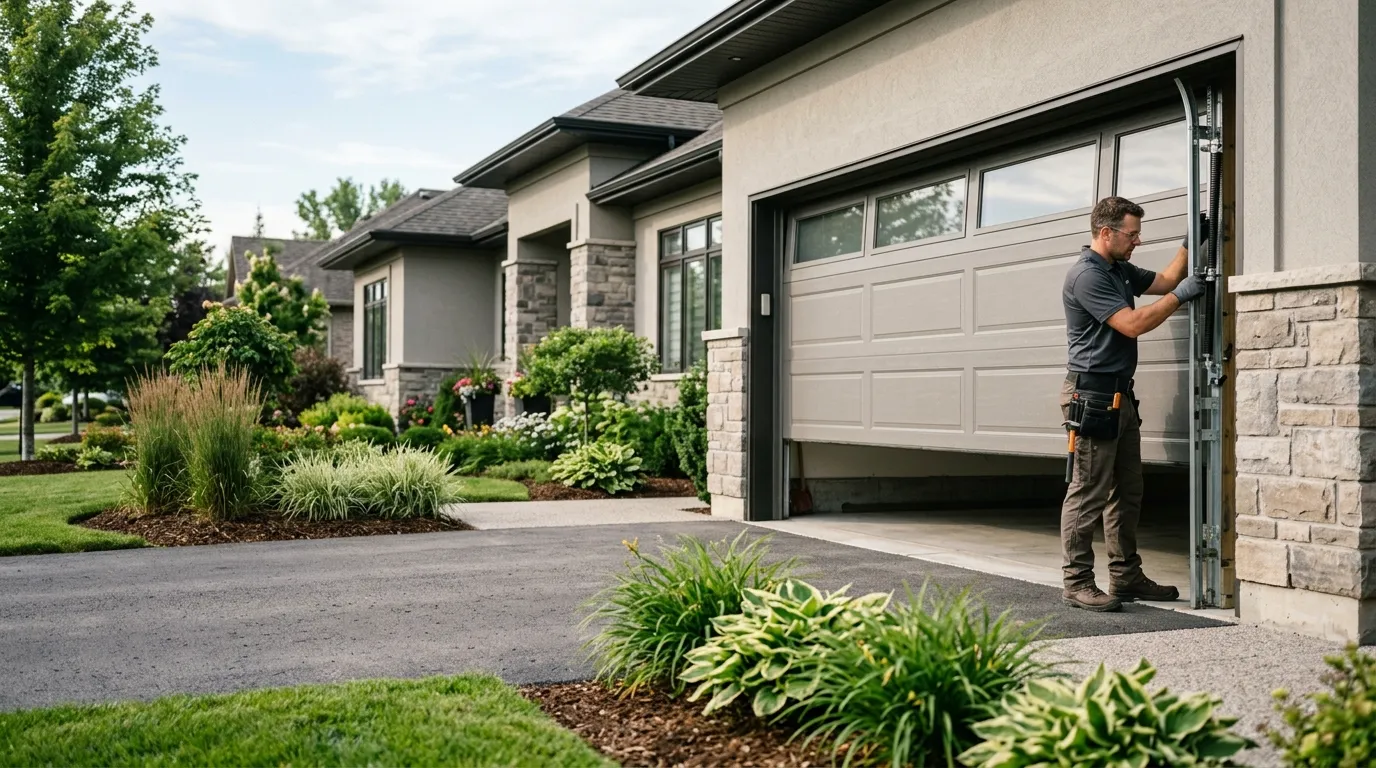
Hudson Oaks sits four miles from Weatherford, close enough that a truck gets here fast but far enough that this area built its own housing stock on its own timeline. Median year built here runs around 2002, well past the 1990 median for the wider service area. That gap matters more than the mileage does. A door built in 2002 usually came with a factory-insulated steel panel, a torsion spring rated for a heavier section, and an opener with a built-in safety reversal sensor rather than one added after the fact. The failures we see here are different from what shows up on older stock elsewhere: a stripped nylon gear on a mid-2000s opener, a worn-out plastic idler pulley, a keypad that's finally given out after two decades of Texas sun. We don't see many of the ancient one-piece slab doors or the side-mounted torsion setups that need obsolete parts. What we do see is builder-grade hardware that was fine when it went in and is now old enough to need real attention, not just a squirt of oil.
Timing on This Area
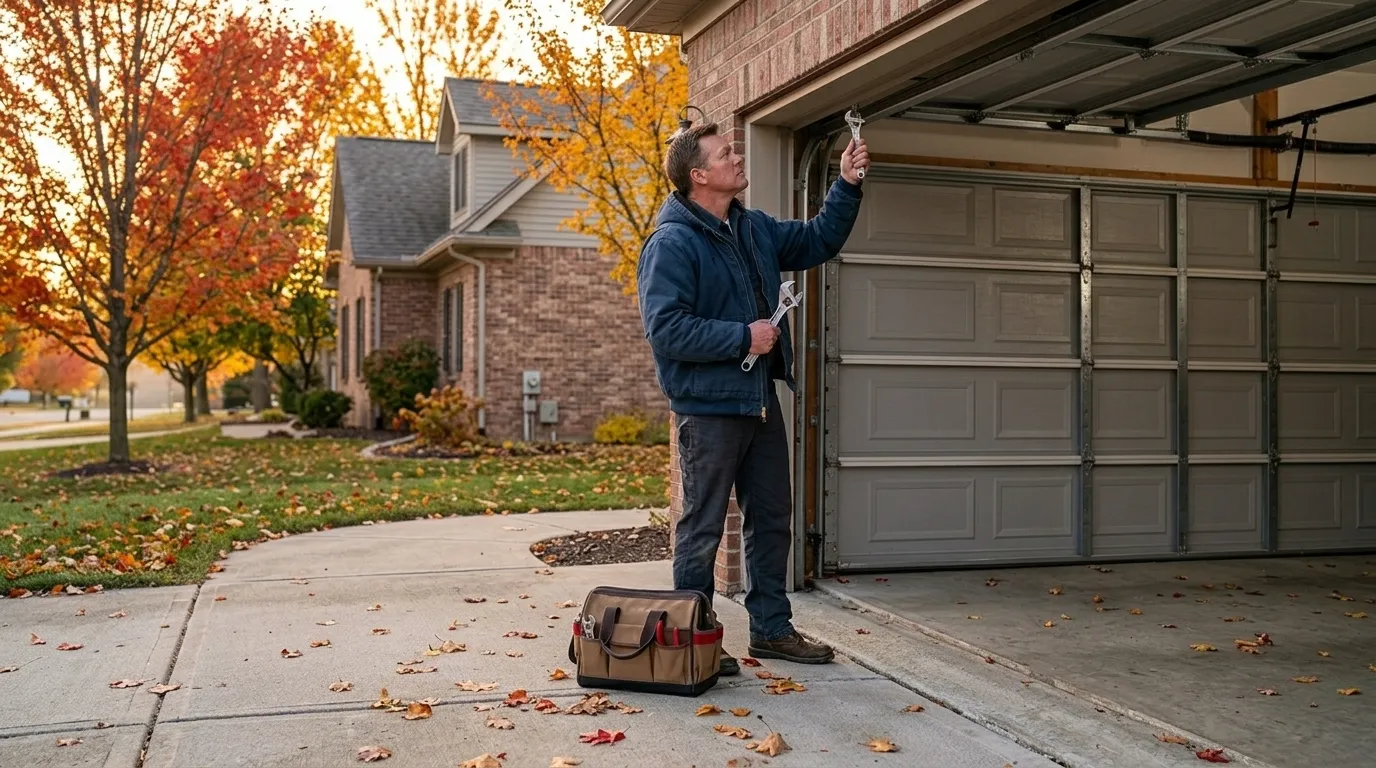
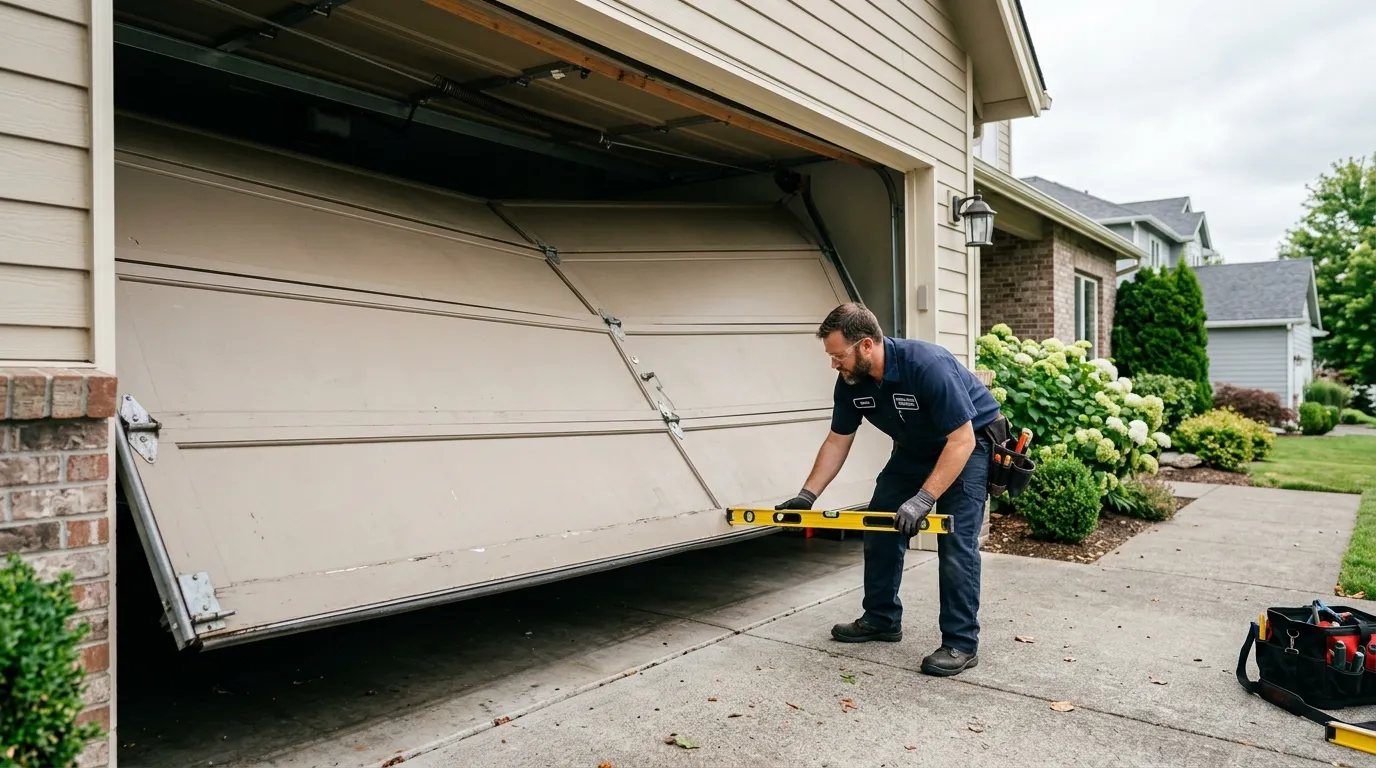
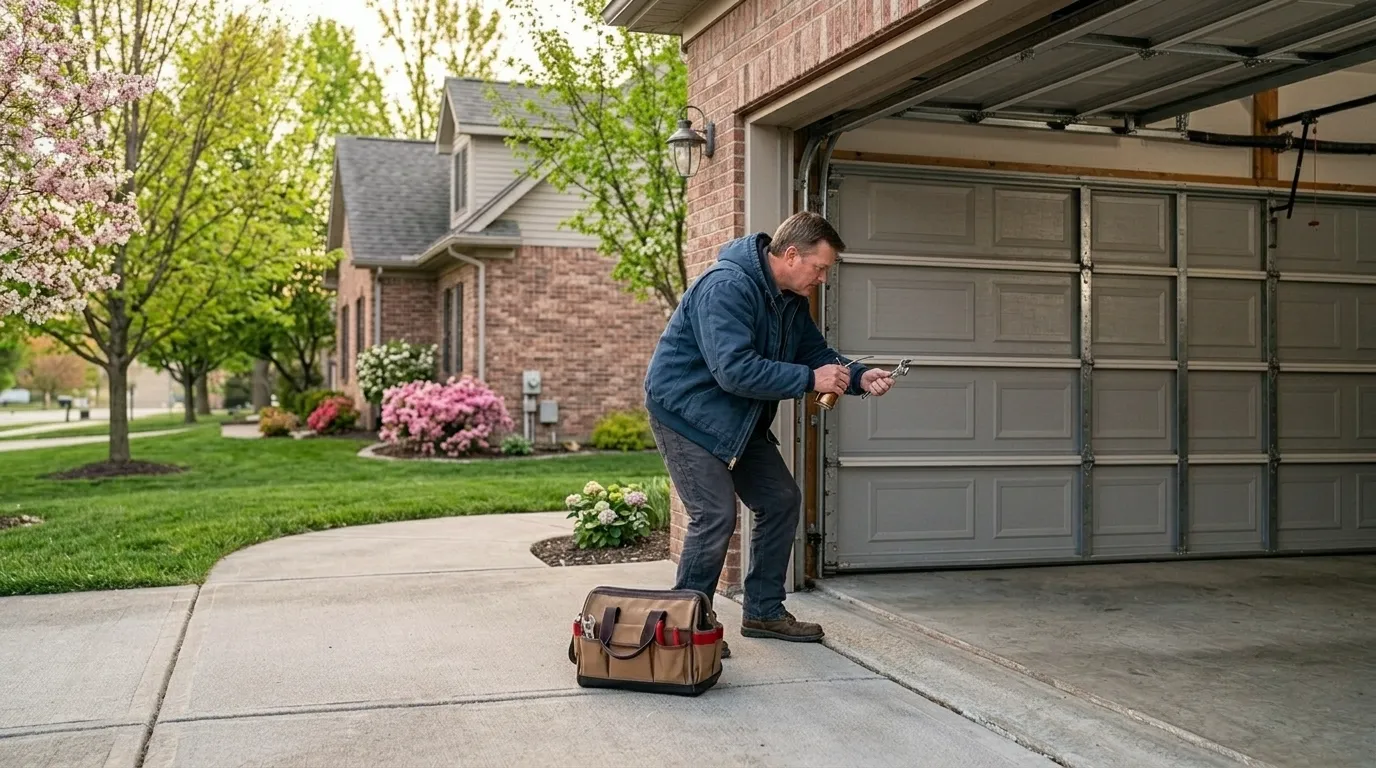
The regional climate band here is moderate heat, and that cuts both ways on a door this age. Steel panels from the early 2000s hold up fine against sun and heat cycling, but the springs and cables that came with them are original in a lot of these houses, meaning they're pushing twenty years old. That's close to the end of a torsion spring's rated cycle life regardless of the weather. We travel from Weatherford for calls here, so timing on a job depends on what's on the truck that day and what the repair actually needs - we're not going to promise a same-day fix on a part we don't stock. What we can tell you is that a spring failure on a door this vintage is usually predictable wear, not a surprise, and most owners get a warning squeal or a slow-closing door before the cable actually snaps.
This Area's Housing
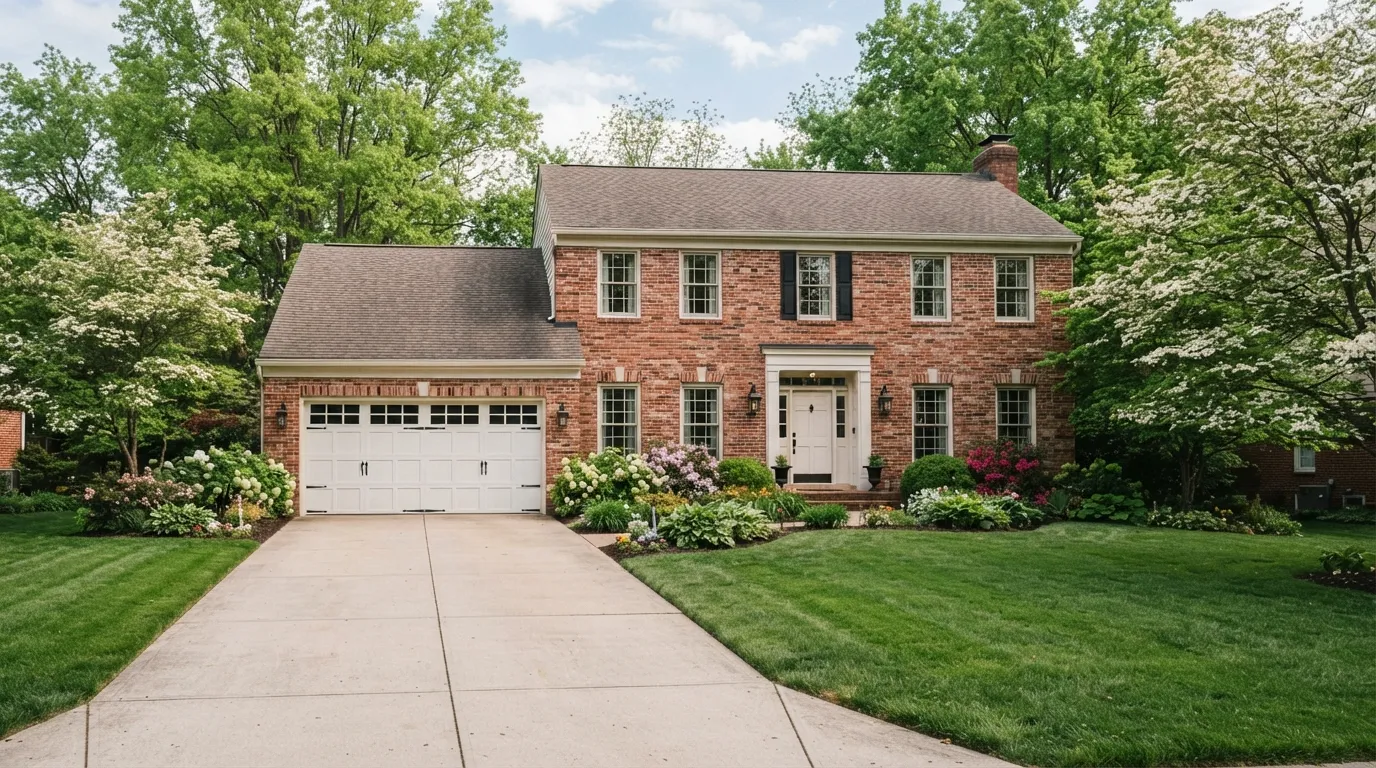
Hudson Oaks has around 920 households, a small slice of the roughly 22,168 across the whole coverage area, but a distinct one. Median household income here runs about $138,500, well above the $85,625 median for the broader service area. That income difference tracks with what's on the driveways: more insulated steel doors with higher-end hardware, fewer old single-layer panels patched together over the years. It doesn't mean nothing breaks - openers fail on expensive houses too, and a torsion spring doesn't care what the house down the street costs. But when we're called out here, we're usually looking at a door that was built well and is failing from age or use, not one that was undersized or cheaply installed to begin with. That's a real difference from areas with older, more mixed housing stock, and it changes what repair versus replacement looks like on the estimate.